好像是瞧见过的
“I think I've seen him.”
THE DIALOGUE REEL
在哪儿见的
“Where?”
好像是瞧见过的
“I think I've seen him.”
“In this restaurant across the street.”
Direct spoken expression in this communicative setting.
Chinese speakers often soften statements of memory using expressions like '好像' to avoid overcommitting or making an absolute claim.
LEARNING CHUNKS & PARTICLES
seems like; appears to be
Used to hedge a statement when the speaker is not completely certain or wants to sound polite.
have seen before
The verb '瞧' is a colloquial and slightly regional/literary synonym for '看' (to look/see).
Placed at the end of the clause to assert conviction or confirm the truth of a recalled fact.
VOCABULARY & EXPRESSIONS
Parallel Spoken Cinema Scenes (语义近邻切片)

“I feel like I've seen him somewhere before.”
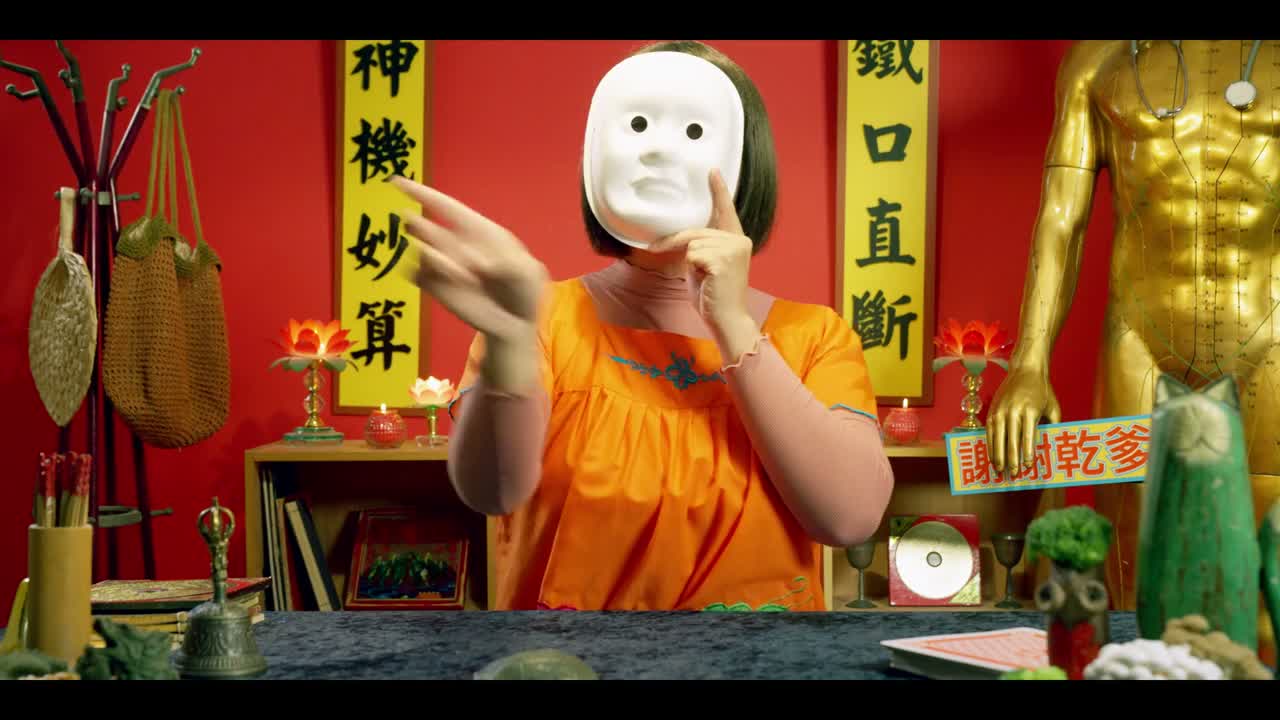
“[dramatic voice] I can see the future!”
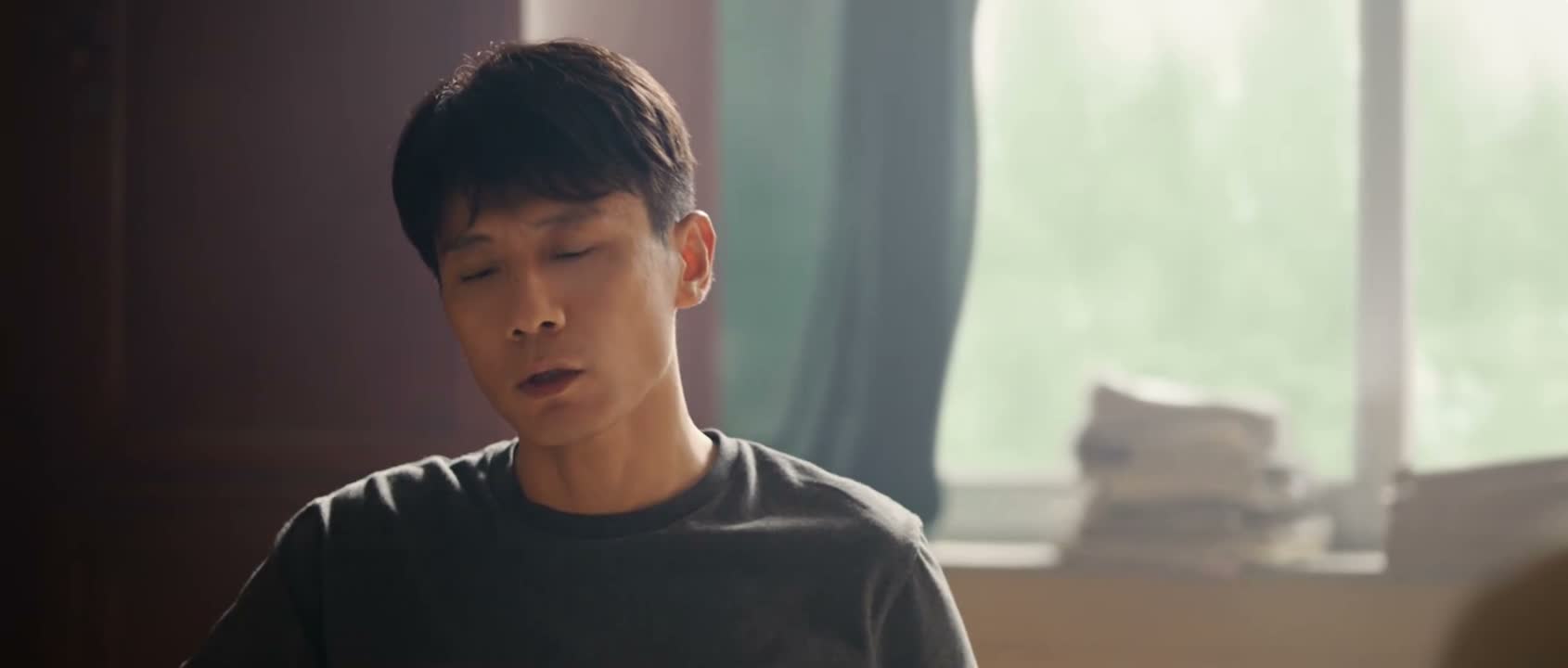
“said they might have seen them.”

“This shows that leopard appeared before.”