这回你称心如意了是吧
“Are you happy now?”
THE DIALOGUE REEL
怎么能跟我说呢
“the details of their case?”
这回你 称心如意 了 是吧
“Are you happy now?”
别以为我不知道
“Don't think I don't know”
“I know you engineered this and you are secretly thrilled.”
In Chinese confrontational rhetoric, traditionally positive four-character idioms are frequently weaponized with sarcastic intonation to expose perceived hypocrisy.
LEARNING CHUNKS & PARTICLES
fully satisfied; to have things go exactly to one's liking
Usually a positive idiom, but frequently employed with biting sarcasm in interpersonal disputes to attack someone's hidden motives.
this time; on this occasion
A colloquial northern alternative to '这一次'.
Marks the completion of a change of state, highlighting that the listener's presumed goal has now been realized.
Forms a rhetorical, confrontational tag question demanding admission rather than asking for genuine confirmation.
VOCABULARY & EXPRESSIONS
Parallel Spoken Cinema Scenes (语义近邻切片)

“Now you've got exactly what you wanted.”
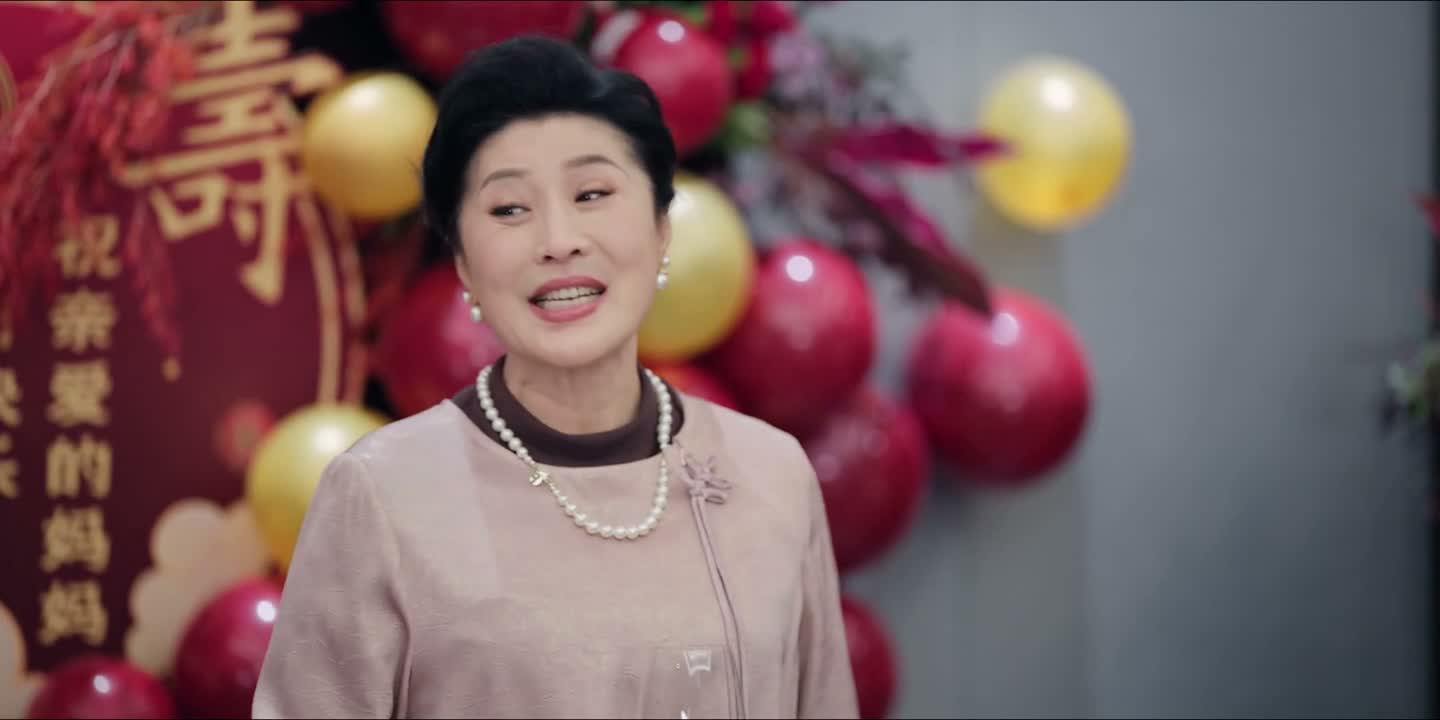
“I am completely content.”

“How is it? Satisfied?”

“And I was even proud of that.”

“Take a look. Satisfied?”

“I will be fully content.”
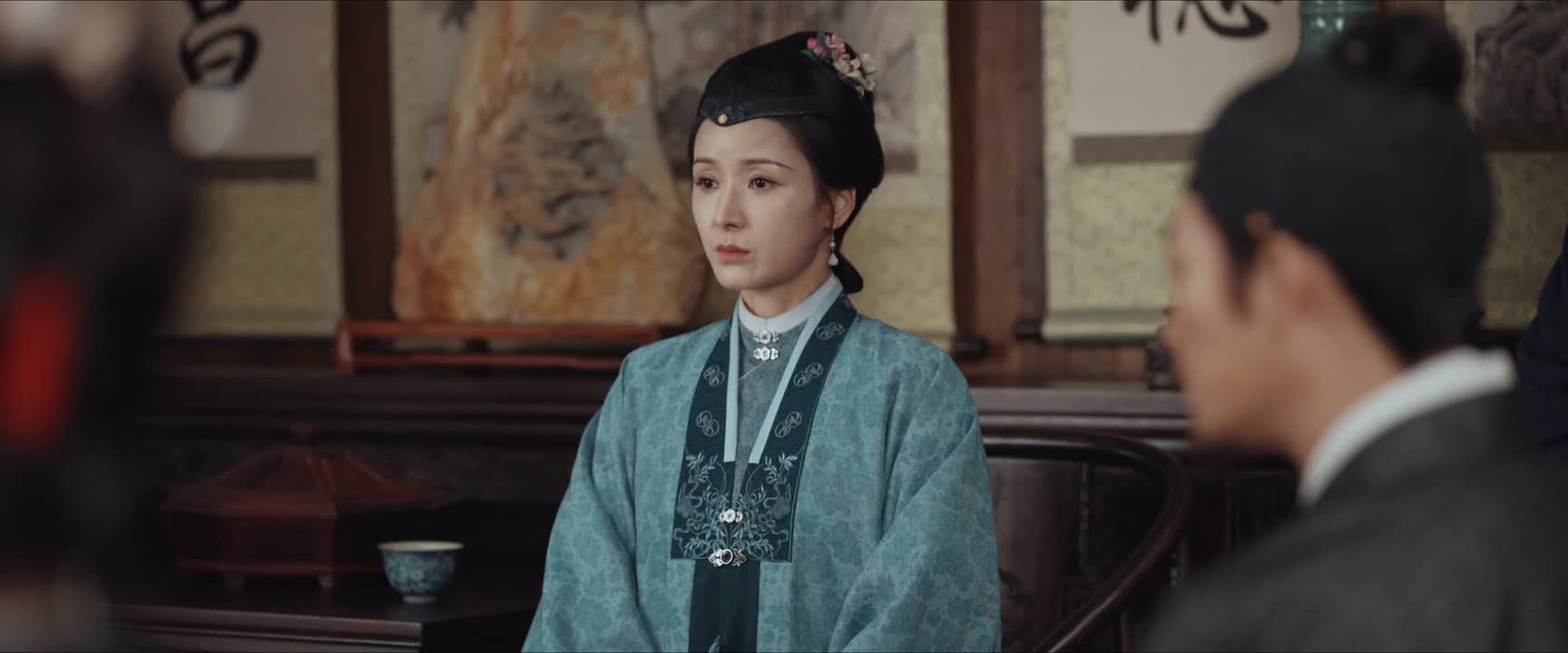
“will satisfy you, won't it?”