就拿走了一堆瓶瓶罐罐
“so he just took away a bunch of jars and bottles.”
THE DIALOGUE REEL
和小徐砍了好久的钱 最后大衣柜没谈拢
“and haggled with Xu for a long time. In the end, they didn't reach a deal on the wardrobe,”
就 拿走了 一堆 瓶瓶罐罐
“so he just took away a bunch of jars and bottles.”
这样吧
“How about this?”
“What a waste of time—all that haggling, and they only took useless junk.”
Chinese speakers often reduplicate nouns like '瓶罐' into '瓶瓶罐罐' to vividly depict scattered, trivial household odds and ends.
LEARNING CHUNKS & PARTICLES
bottles and jars; miscellaneous small containers or daily clutter
Use this reduplicated phrase colloquially to refer dismissively or affectionately to a cluttered collection of small containers.
merely took away; ended up just taking
The adverb '就' here emphasizes that the outcome fell short of expectations.
Marks the completion of an action that resulted in an underwhelming final state.
VOCABULARY & EXPRESSIONS
Parallel Spoken Cinema Scenes (语义近邻切片)

“Leave the jars and bottles,”
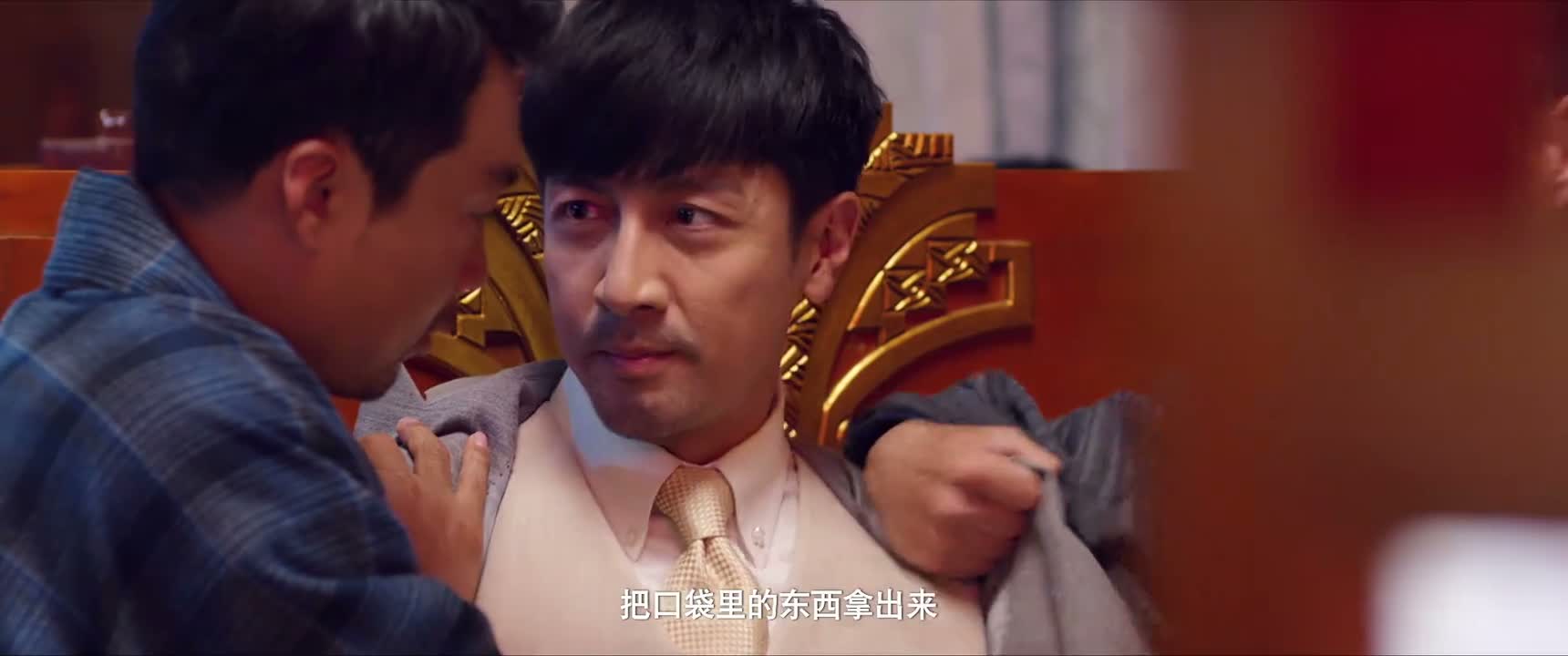
“Take out what's in your pocket.”

“Who bought these tables and benches? Who got all these bottles”
“How will you move all this by yourself?”

“He actually got taken down by junk collectors.”

“to pack your luggage.”