MC
MandarinClips Cinema Corpus
《The Inner Eye》 S1·E2 (14:59) HSK 5
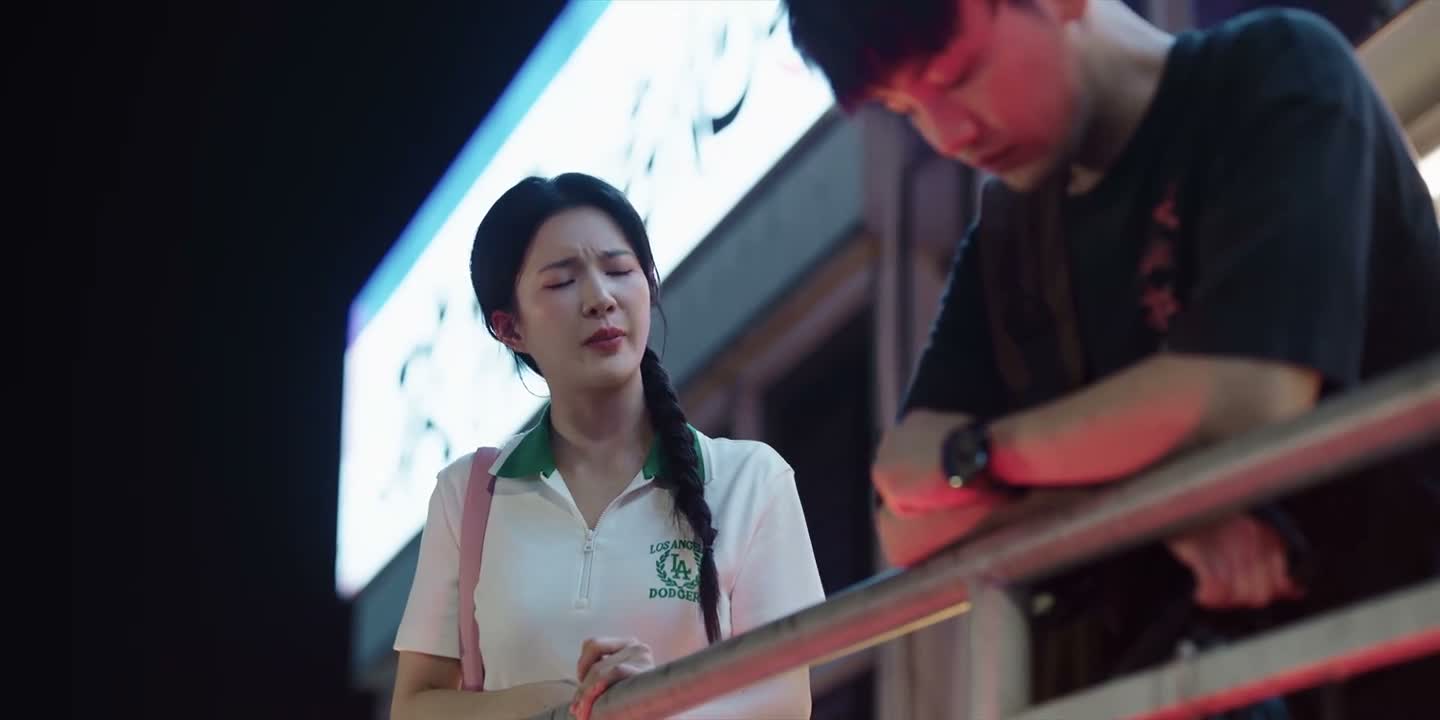
nǐ píng shén me dài biǎo zhè bù fèn ne

你凭什么代表这部分呢

“What makes you voice for that "some"?”

《The Inner Eye》 S1·E2
TIMECODE: 14:59 · 1080P MASTER AUDIO

THE DIALOGUE REEL

1+1+1 SPOKEN CONTINUITY
[-1] PREVIOUS TURN suǒ yǐ wǒ shuō de shì bù fèn

所以我说的是部分

“That's exactly why I said "some women."”

nǐ píng shén me dài biǎo zhè bù fèn ne CURRENT FOCUS

你凭什么 代表这部分 呢

“What makes you voice for that "some"?”

[+1] FOLLOW-UP TURN lái zán men liǎ shì shì

来 咱们俩试试

“Come on, we can have a try.”

Subtitles synced to millisecond timecode Browse Show Clips →
Scene: Crisis & Conflict
Function: CHALLENGING LEGITIMACY
Tone: AGGRESSIVE
Emotion: INDIGNATION
WHAT THEY REALLY MEAN (PRAGMATIC SUBTEXT)
“Who do you think you are to speak for them?”
💡 Cultural Insight: Questioning Authority and Standing

In Chinese public disputes, self-appointed spokespersons are often confronted with '凭什么' to challenge whether they hold legitimate moral or formal qualification (资格) to speak for others.

INTENT TAGS: #discrediting #challenging_authority #confrontation #rhetorical_question
🧩

LEARNING CHUNKS & PARTICLES

2 CHUNKS · 1 PARTICLES
凭什么 SPOKEN CHUNK

on what grounds; why should; what makes you think

A potent rhetorical device used to aggressively challenge someone's entitlement, authority, or fairness.

代表 SPOKEN CHUNK

to represent; to speak on behalf of

Commonly used in both formal representation and casual debates about group authority.

Modal Particle「呢」 (ne) CHANGE OF STATE

Intensifies the rhetorical challenge and sharpens the inquisitive tone of the confrontational question.
🏮

VOCABULARY & EXPRESSIONS

1 EXPR · 2 GRAMMAR
COLLOQUIAL EXPRESSIONS:
CROSS-CINEMA CORPUS BOARD · PARALLEL SCENES

Parallel Spoken Cinema Scenes (语义近邻切片)

EXPLORE BY SEMANTIC SIMILARITY
《The Inner Eye》 S1·E2 (14:59) · Authentic Cinema Dialogue Corpus