《Go Ahead》 S1·E23 (15:51)
HSK 3
nǐ yǐ wéi wǒ xiǎng a
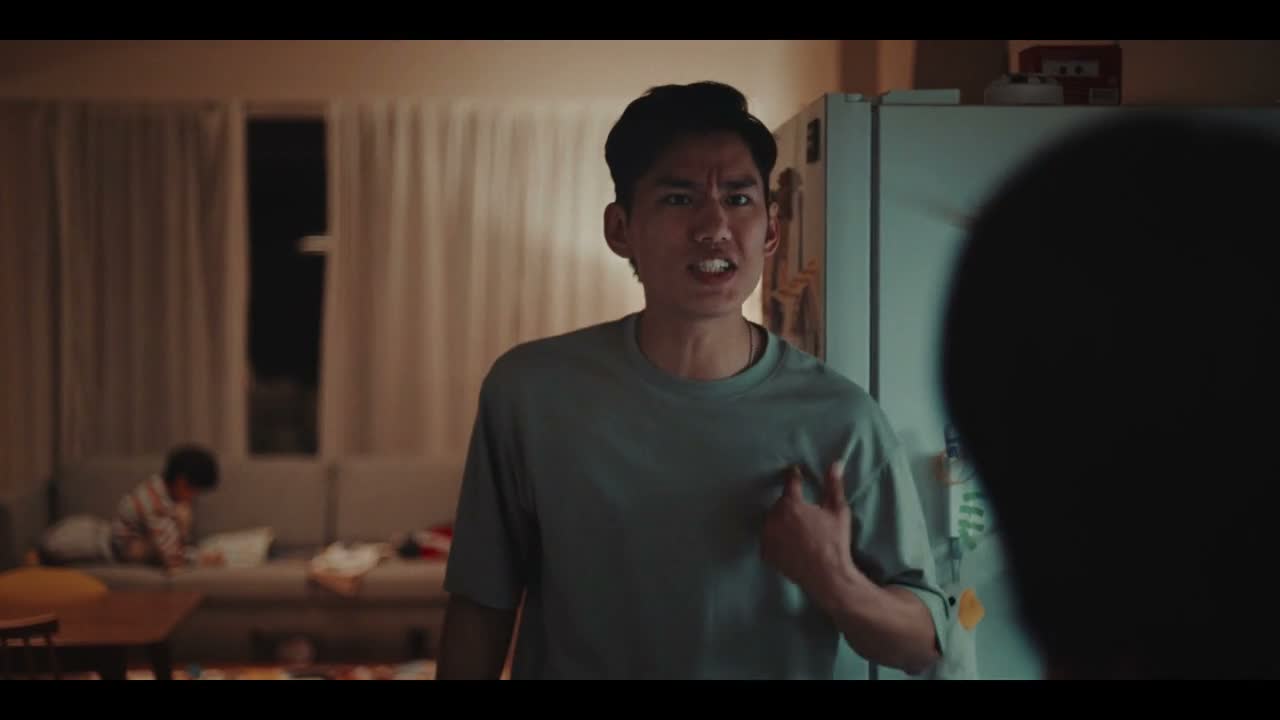
你以为我想啊
“Do you think I want to?”
《Go Ahead》
S1·E23
TIMECODE: 15:51
·
1080P MASTER AUDIO
THE DIALOGUE REEL
[-1] PREVIOUS TURN
nǐ cái shì nǐ jiù shì shén jīng bìng wǒ bù xiǎng gēn nǐ shuō huà la
你才是 你就是神经病 我不想跟你说话啦
“You're the one who's crazy! I don't want to talk to you again!”
nǐ yǐ wéi wǒ xiǎng a
CURRENT FOCUS
你以为 我想啊
“Do you think I want to?”
[+1] FOLLOW-UP TURN
shì nǐ lái zhǎo wǒ de shuí xiān zhǎo shuí shuí shì gǒu
“You came here to see me. The one who came to see the other is a puppy.”
Subtitles synced to millisecond timecode
Browse Show Clips →
Scene:
Crisis & Conflict
Function:
SELF DEFENSE
Tone:
DEFENSIVE
Emotion:
ANGER
WHAT THEY REALLY MEAN (PRAGMATIC SUBTEXT)
“I hate talking to you just as much as you hate talking to me.”
💡 Cultural Insight: Petty Bickering and Pride
In Chinese youth conflicts, claiming reluctance ('I didn't want to either') is a primary tactic to preserve personal pride during an argument.
INTENT TAGS:
#deflection
#saving_face
#denial
#retaliation
🧩
1 CHUNKS · 1 PARTICLES
LEARNING CHUNKS & PARTICLES
你以为我想啊
SPOKEN CHUNK
Do you think I wanted to? / As if I wanted to!
A very common colloquial retort used to deflect blame and assert reluctance.
Modal Particle「啊」 (a)
CHANGE OF STATE
Softens the syntax while adding rhetorical bite and exasperation.
🏮
1 EXPR · 0 GRAMMAR
VOCABULARY & EXPRESSIONS
COLLOQUIAL EXPRESSIONS:
CROSS-CINEMA CORPUS BOARD · PARALLEL SCENES
EXPLORE BY SEMANTIC SIMILARITY
Parallel Spoken Cinema Scenes (语义近邻切片)
《Go Ahead》 S1·E23 (15:51) · Authentic Cinema Dialogue Corpus