才顾不上了呀
“to think straight.”
THE DIALOGUE REEL
所以他很着急
“and he was too frantic”
才 顾不上 了呀
“to think straight.”
秦鸣他是个医生
“Qin Ming is a doctor.”
“Do not blame him, he was too frantic to care about minor details.”
Chinese interpersonal communication often forgives technical mistakes if an emotional crisis or righteous urgency explains why the person neglected procedures.
LEARNING CHUNKS & PARTICLES
unable to take care of or pay attention to something due to lack of time or energy
A very common colloquial construction used when immediate emergencies prevent handling other secondary matters.
Marks a change of state, indicating the threshold where attention was completely lost.
Softens the assertion while expressing an explanatory, empathetic tone.
VOCABULARY & EXPRESSIONS
Parallel Spoken Cinema Scenes (语义近邻切片)
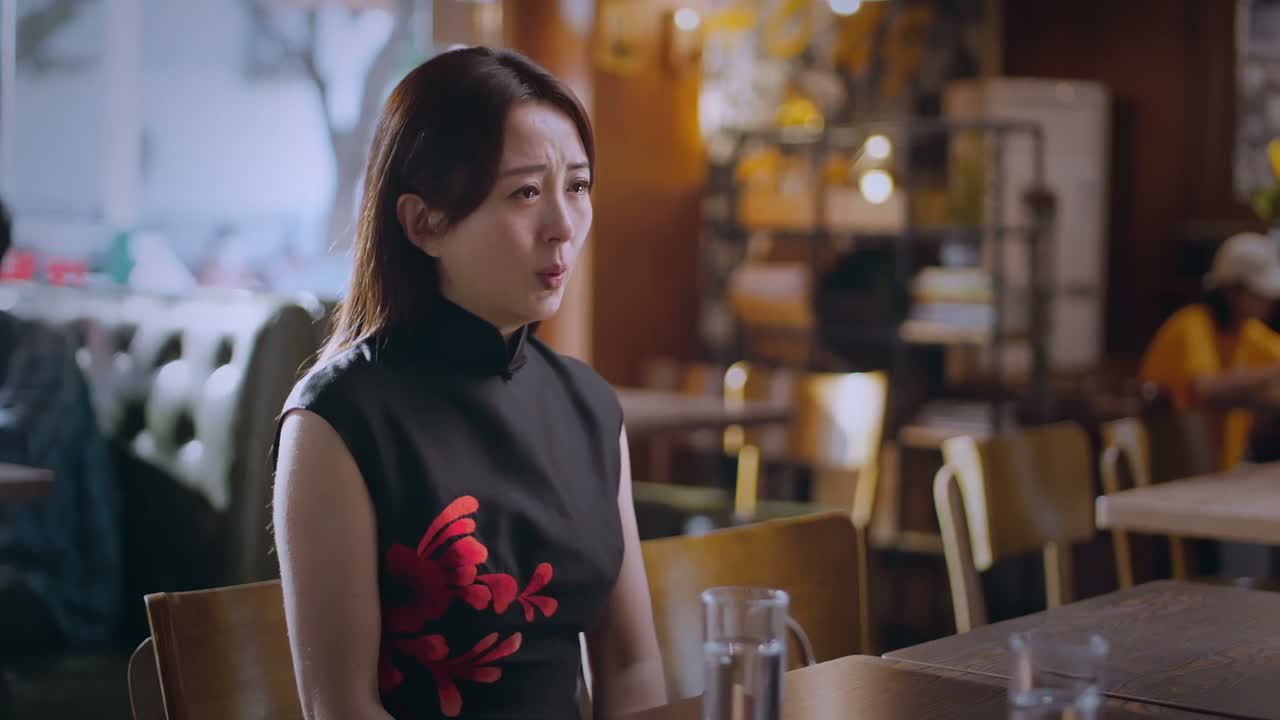
“I wasn't able to take care of myself then.”

“we had no choice but to take that risk.”
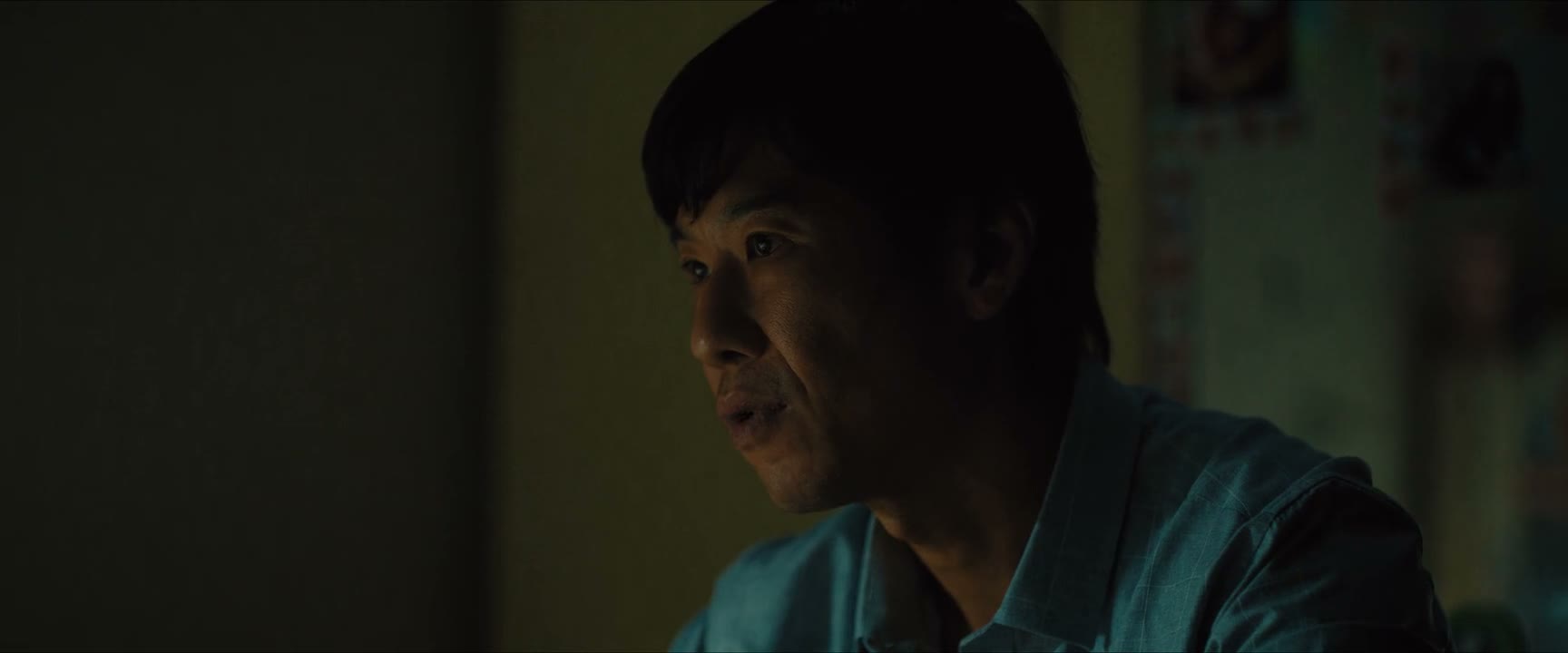
“We can't worry about her right now.”