MC
MandarinClips Cinema Corpus
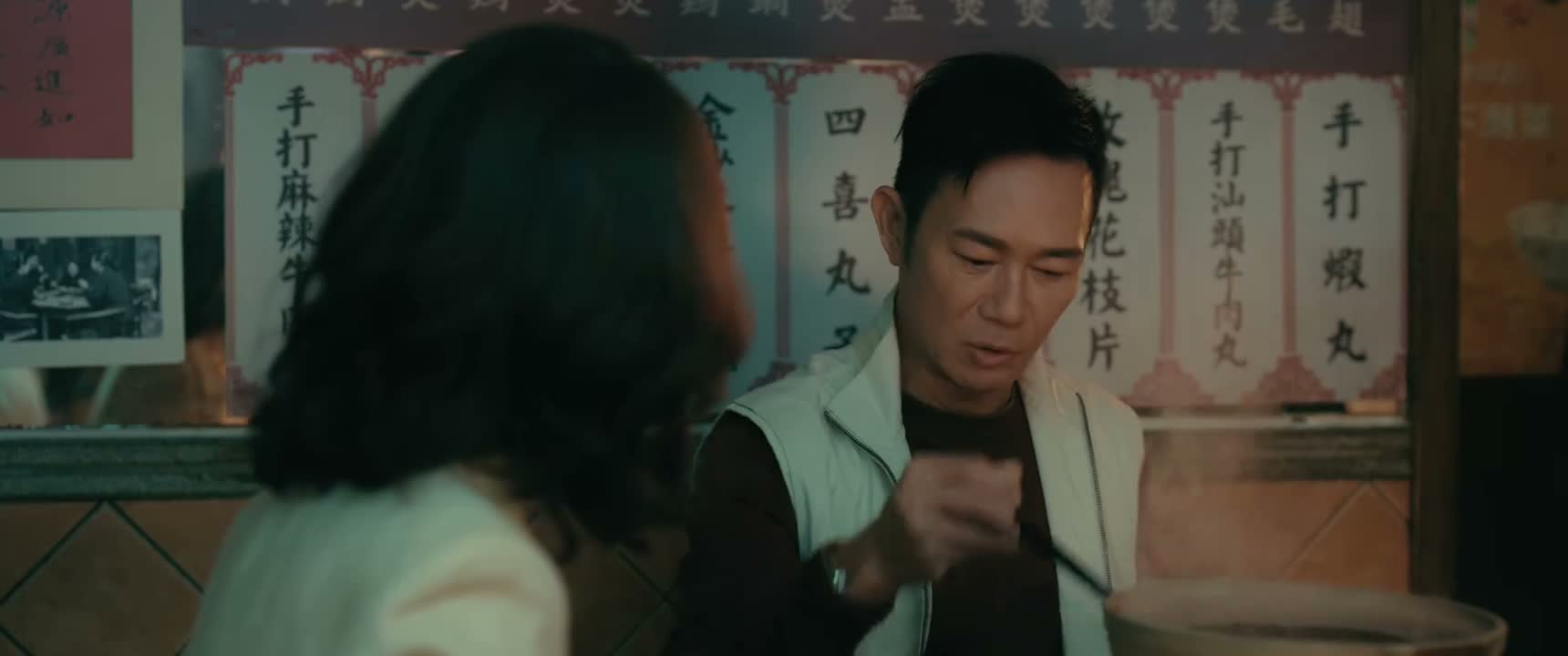
《Born to Be Alive》 S1·E6 (40:16) HSK 1
nǐ chī tài duō le bú yào chī le

你吃太多了 不要吃了

“You've eaten too much. Stop eating.”

《Born to Be Alive》 S1·E6
TIMECODE: 40:16 · 1080P MASTER AUDIO

THE DIALOGUE REEL

1+1+1 SPOKEN CONTINUITY
[-1] PREVIOUS TURN nǐ shì zhè shì

你是 这是

“You... This is...”

nǐ chī tài duō le bú yào chī le CURRENT FOCUS

你吃 太多了 不要 吃 了

“You've eaten too much. Stop eating.”

[+1] FOLLOW-UP TURN wǒ bù chī nǎo zi bù zhuǎn

我不吃 脑子不转

“If I don't eat, my brain doesn't work.”

Subtitles synced to millisecond timecode Browse Show Clips →
Scene: Dining & Food
Function: ADMONISHING
Tone: BLUNT
Emotion: CONCERN
WHAT THEY REALLY MEAN (PRAGMATIC SUBTEXT)

Direct spoken expression in this communicative setting.

💡 Cultural Insight: Directness in Intimate Relationships

In close Chinese relationships, friends and family speak frankly about physical habits like eating and weight without the polite hedging common in Western cultures.

INTENT TAGS: #restraint #intervention #blunt_counsel #health_concern
🧩

LEARNING CHUNKS & PARTICLES

2 CHUNKS · 1 PARTICLES
不要吃了 SPOKEN CHUNK

stop eating / do not eat anymore

A direct colloquial imperative used to stop an ongoing action, suitable only among close relations.

太多了 SPOKEN CHUNK

too much

A frequent spoken pattern expressing an excessive degree of an action or quantity.

Modal Particle「了」 (le) CHANGE OF STATE

Marks a change of state, indicating that the threshold of excess has been reached and the action must cease.
🏮

VOCABULARY & EXPRESSIONS

3 EXPR · 1 GRAMMAR
CROSS-CINEMA CORPUS BOARD · PARALLEL SCENES

Parallel Spoken Cinema Scenes (语义近邻切片)

EXPLORE BY SEMANTIC SIMILARITY
《Born to Be Alive》 S1·E6 (40:16) · Authentic Cinema Dialogue Corpus