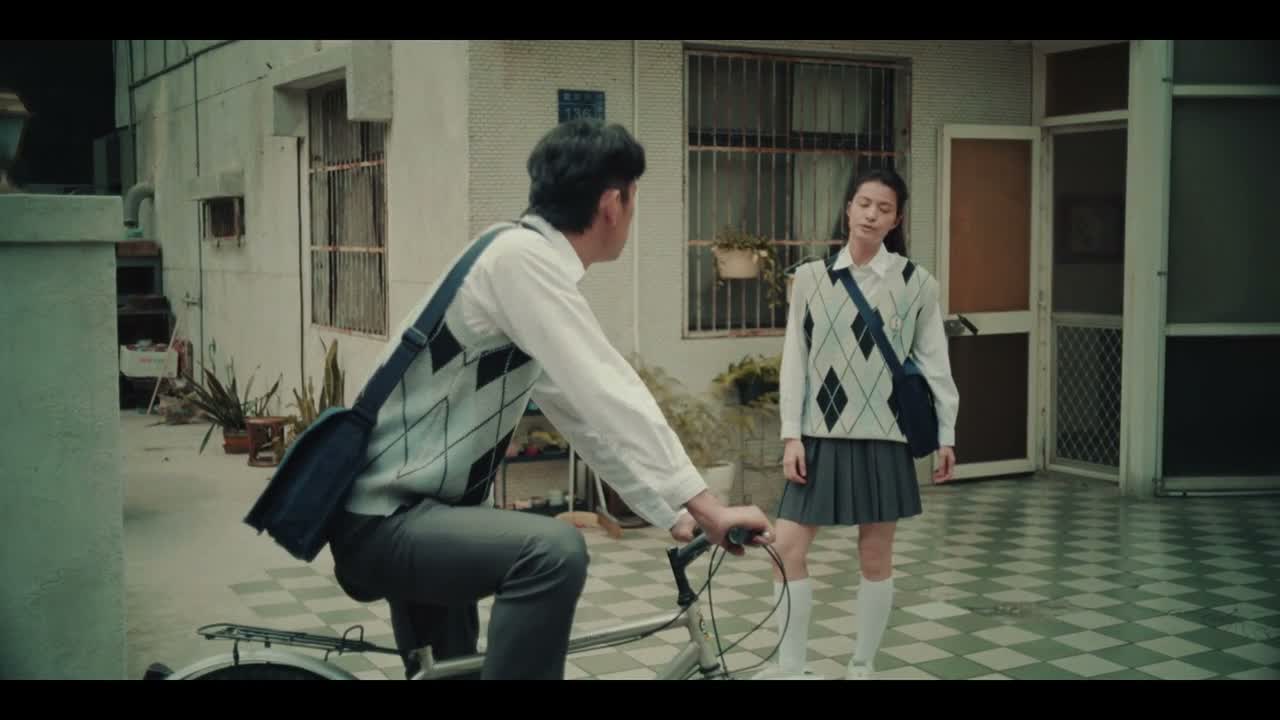
《Dog Man》 S1·E2 (09:15)
HSK 1
nǐ wán bù nì ma ?
你玩不腻吗?
“You really never get tired of it?”
《Dog Man》
S1·E2
TIMECODE: 09:15
·
1080P MASTER AUDIO
THE DIALOGUE REEL
[-1] PREVIOUS TURN
zhè zhāo nǐ dào dǐ yào wán duō jiǔ a ?
这招你到底要玩多久啊?
“How long are you going to keep doing that?”
nǐ wán bù nì ma ?
CURRENT FOCUS
你 玩不腻 吗?
“You really never get tired of it?”
[+1] FOLLOW-UP TURN
chén lì xuán
陈立璇
“Chen Lixuan,”
Subtitles synced to millisecond timecode
Browse Show Clips →
Scene:
Crisis & Conflict
Function:
REPROACHING
Tone:
CONFRONTATIONAL
Emotion:
ANNOYANCE
WHAT THEY REALLY MEAN (PRAGMATIC SUBTEXT)
“Grow up and cut it out already.”
💡 Cultural Insight: Rhetorical Questioning as Reprimand
Asking whether someone is 'bored/tired' of a routine is a quintessential Chinese way of expressing peak irritation and demanding behavioral change.
INTENT TAGS:
#reproach
#exasperation
#confrontation
#dismissal
🧩
1 CHUNKS · 1 PARTICLES
LEARNING CHUNKS & PARTICLES
玩不腻
SPOKEN CHUNK
never get tired of playing or pulling the same stunt
Used to scold someone who persistently engages in a repetitive trick, game, or prank.
Modal Particle「吗」 (ma)
CHANGE OF STATE
Forms a rhetorical yes-no question that signals strong disapproval rather than asking for information.
🏮
1 EXPR · 0 GRAMMAR
VOCABULARY & EXPRESSIONS
COLLOQUIAL EXPRESSIONS:
CROSS-CINEMA CORPUS BOARD · PARALLEL SCENES
EXPLORE BY SEMANTIC SIMILARITY
Parallel Spoken Cinema Scenes (语义近邻切片)
《Dog Man》 S1·E2 (09:15) · Authentic Cinema Dialogue Corpus