Cómo usar "等练差不多了 再一起合练" (děng liàn chà bu duō le zài yì qǐ hé liàn) en el diálogo chino
等练差不多了 再一起合练
Cuando mejoren, ensayaremos juntos.
Show Information
Source Media
TV Series
Season & Episode
S1 E17
Clip Timestamp
31:06
TMDB ID
284110
Conversation Context
| Line | Chinese | Pinyin | Translation |
|---|---|---|---|
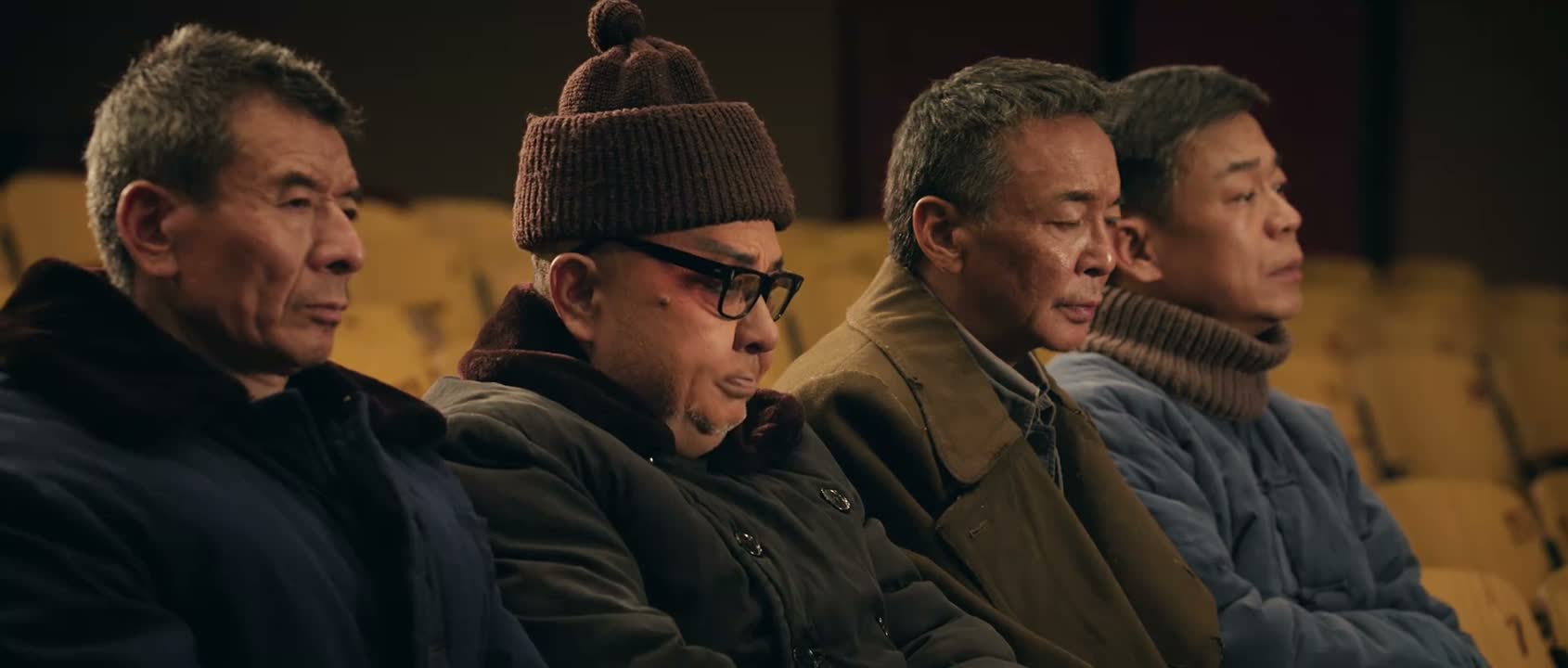
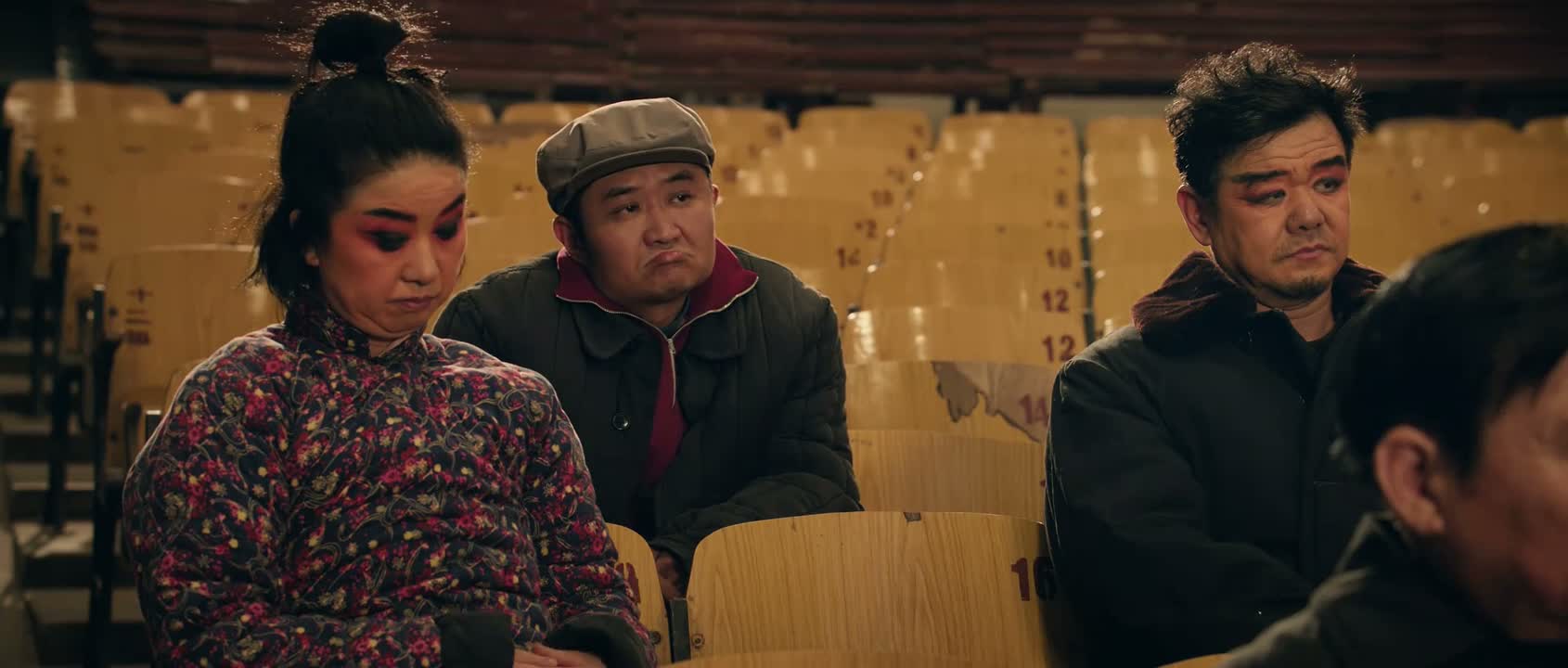
| 1 | 那水平也高低不齐的 我先让各自练着 | nà shuǐ píng yě gāo dī bù qí de wǒ xiān ràng gè zì liàn zhe | y los niveles son desiguales, así que los dejo practicar solos. |
| 2▶ | 等练差不多了 再一起合练 | děng liàn chà bu duō le zài yì qǐ hé liàn | Cuando mejoren, ensayaremos juntos. |
| 3 | 行 | xíng | Bueno. |
More Clips From Episode
Total 149 clips (Page 7 of 8)
HSK 5
0:03s
nà shuǐ píng yě gāo dī bù qí de wǒ xiān ràng gè zì liàn zhey los niveles son desiguales, así que los dejo practicar solos.

HSK 4
0:03s
wǒ sī lái xiǎng qù ne zhǐ yǒu zhè yī duàn gǎn rǎn lì zuì qiángLo he pensado. Esta pieza es la más poderosa.
HSK 2
0:03s
ràng ràng ràng yī xià ràng yī xià a ràng yī xià ràng yī xiàVoy pasando. Permiso, por favor. Permiso, por favor.
HSK 2
0:03s
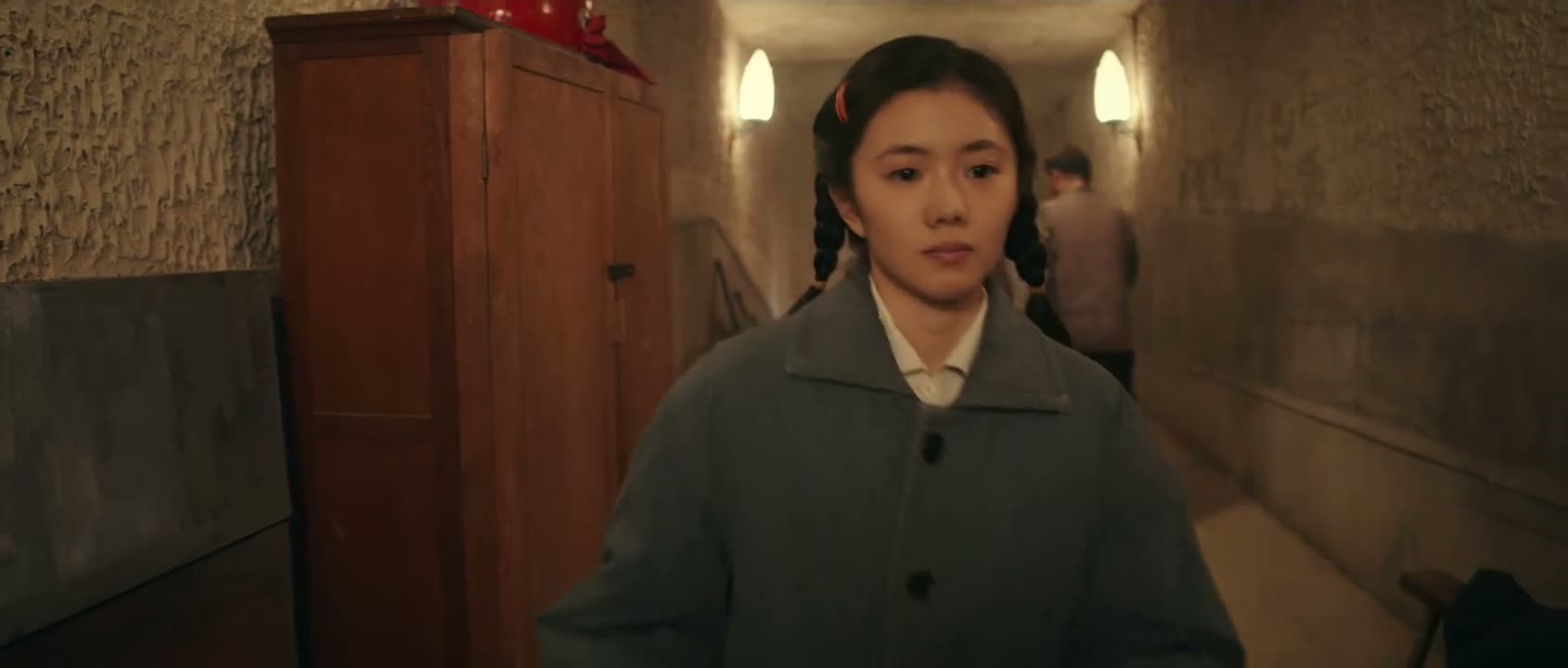
ràng yī xià lóu ràng yī xià lóu ràng yī xià lóu ràng yī xià lóuVoy pasando. Con permiso.

HSK 4
0:03s
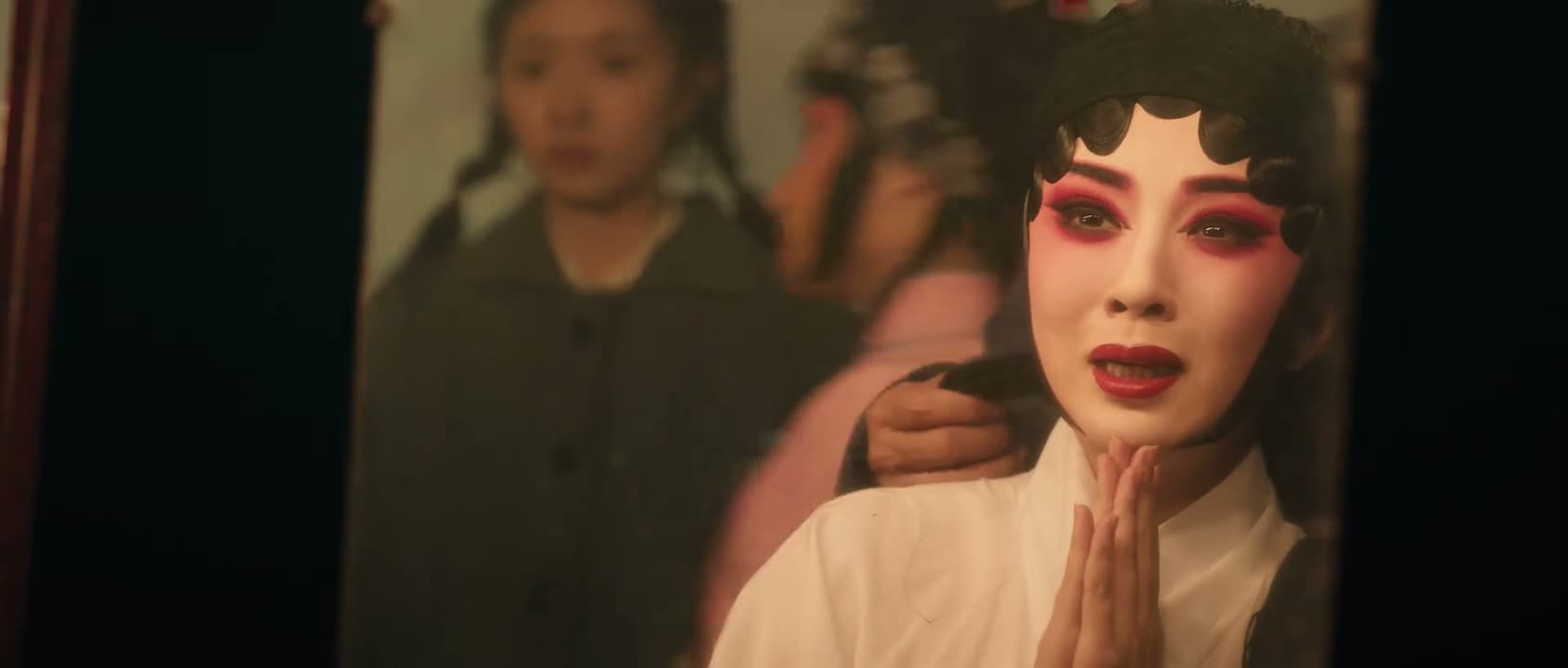
kuài diǎn huà kuài diǎn huà lái bù jí le lái bù jí leApúrense con el maquillaje. Se nos acaba el tiempo.



HSK 4
0:03s
shuō zán jù tuán zhè me duō nián méi xì kě yǎnafirmando que el estancamiento de la troupe