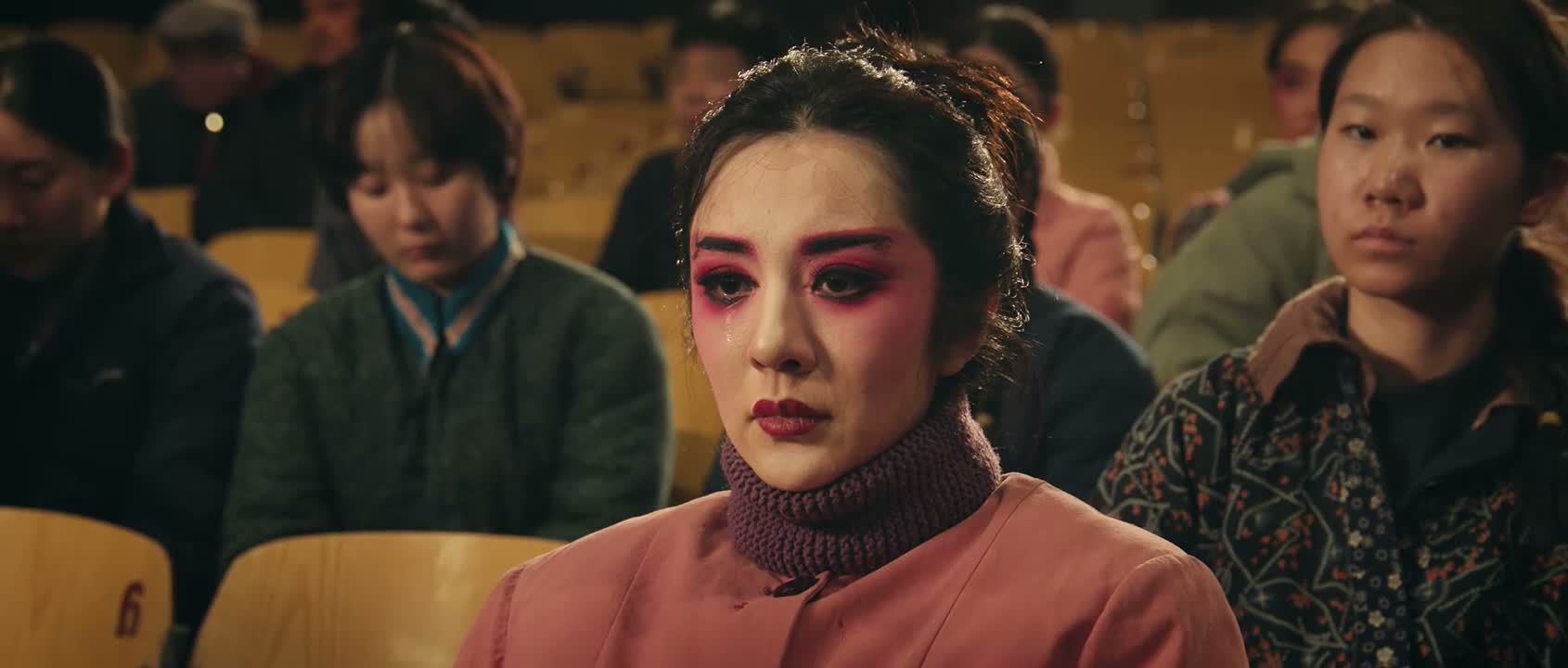
Cómo usar "我差点没给我勒死了" (wǒ chà diǎn méi gěi wǒ lēi sǐ le) en el diálogo chino
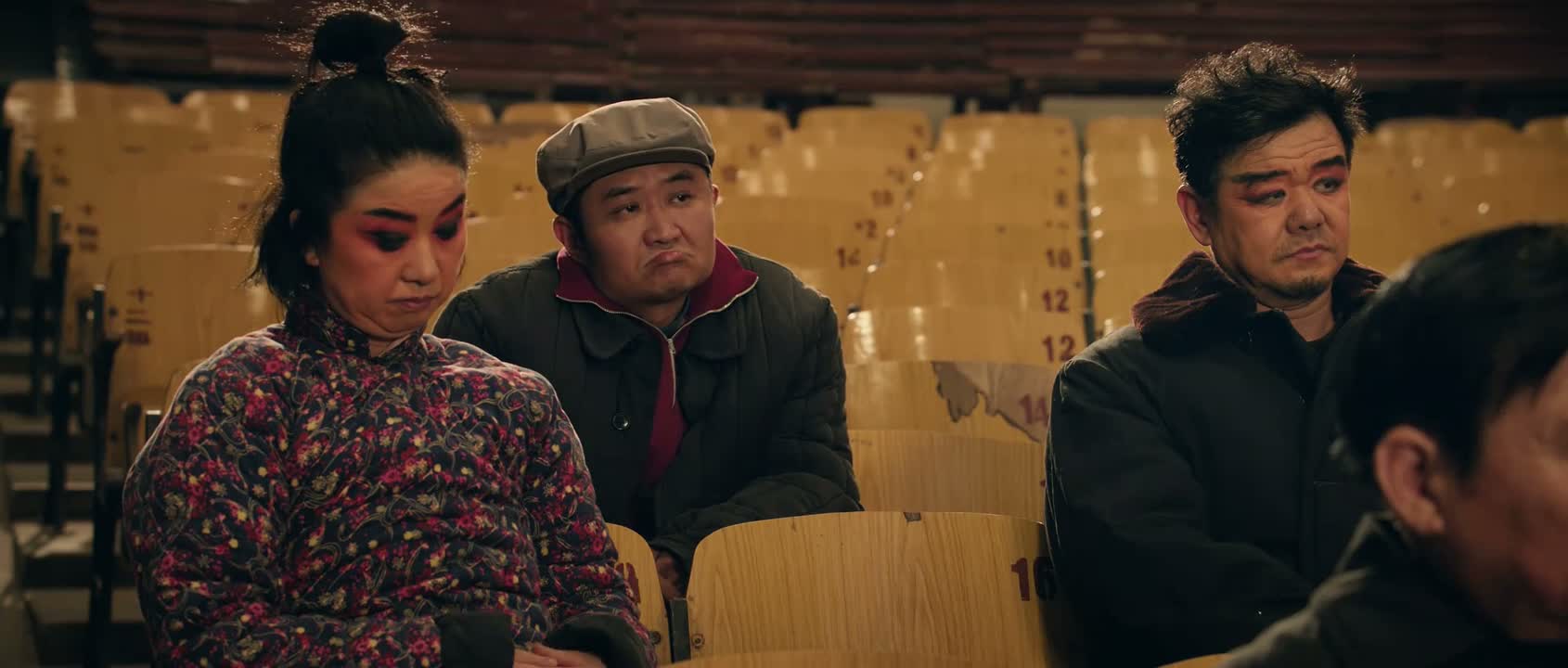
我差点没给我勒死了
casi me arranca la cabeza.
Show Information
Source Media
TV Series
Season & Episode
S1 E17
Clip Timestamp
35:53
TMDB ID
284110
Conversation Context
| Line | Chinese | Pinyin | Translation |
|---|---|---|---|
| 1 | 拜托你啊 手下留情 昨天彩排的时候 | bài tuō nǐ a shǒu xià liú qíng zuó tiān cǎi pái de shí hòu | Por favor, trátame con cuidado. Durante el ensayo de ayer, |
| 2▶ | 我差点没给我勒死了 | wǒ chà diǎn méi gěi wǒ lēi sǐ le | casi me arranca la cabeza. |
| 3 | 谢谢 谢谢啊 | xiè xiè xiè xiè a | Gracias. Muchas gracias. |
More Clips From Episode
Total 149 clips (Page 7 of 8)
HSK 5
0:03s
nà shuǐ píng yě gāo dī bù qí de wǒ xiān ràng gè zì liàn zhey los niveles son desiguales, así que los dejo practicar solos.

HSK 4
0:03s
wǒ sī lái xiǎng qù ne zhǐ yǒu zhè yī duàn gǎn rǎn lì zuì qiángLo he pensado. Esta pieza es la más poderosa.
HSK 2
0:03s
ràng ràng ràng yī xià ràng yī xià a ràng yī xià ràng yī xiàVoy pasando. Permiso, por favor. Permiso, por favor.
HSK 2
0:03s
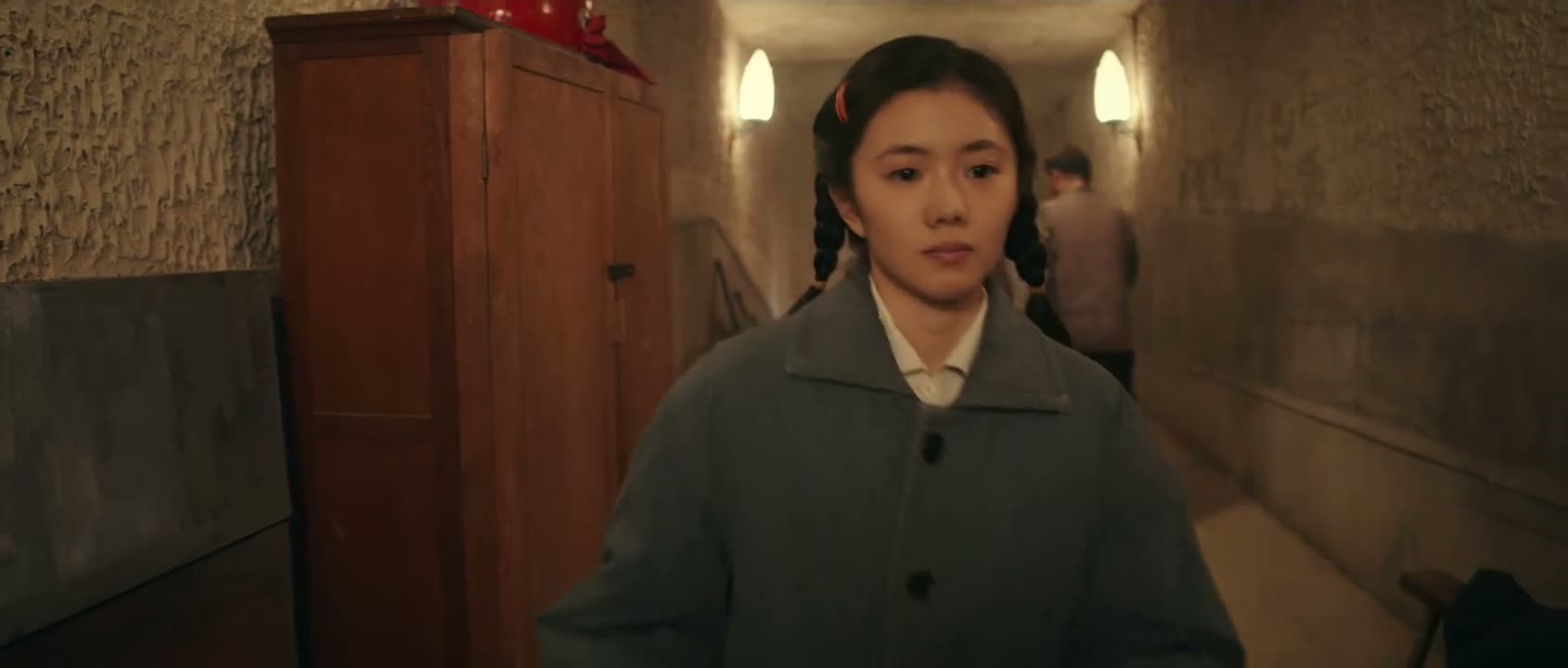
ràng yī xià lóu ràng yī xià lóu ràng yī xià lóu ràng yī xià lóuVoy pasando. Con permiso.

HSK 4
0:03s
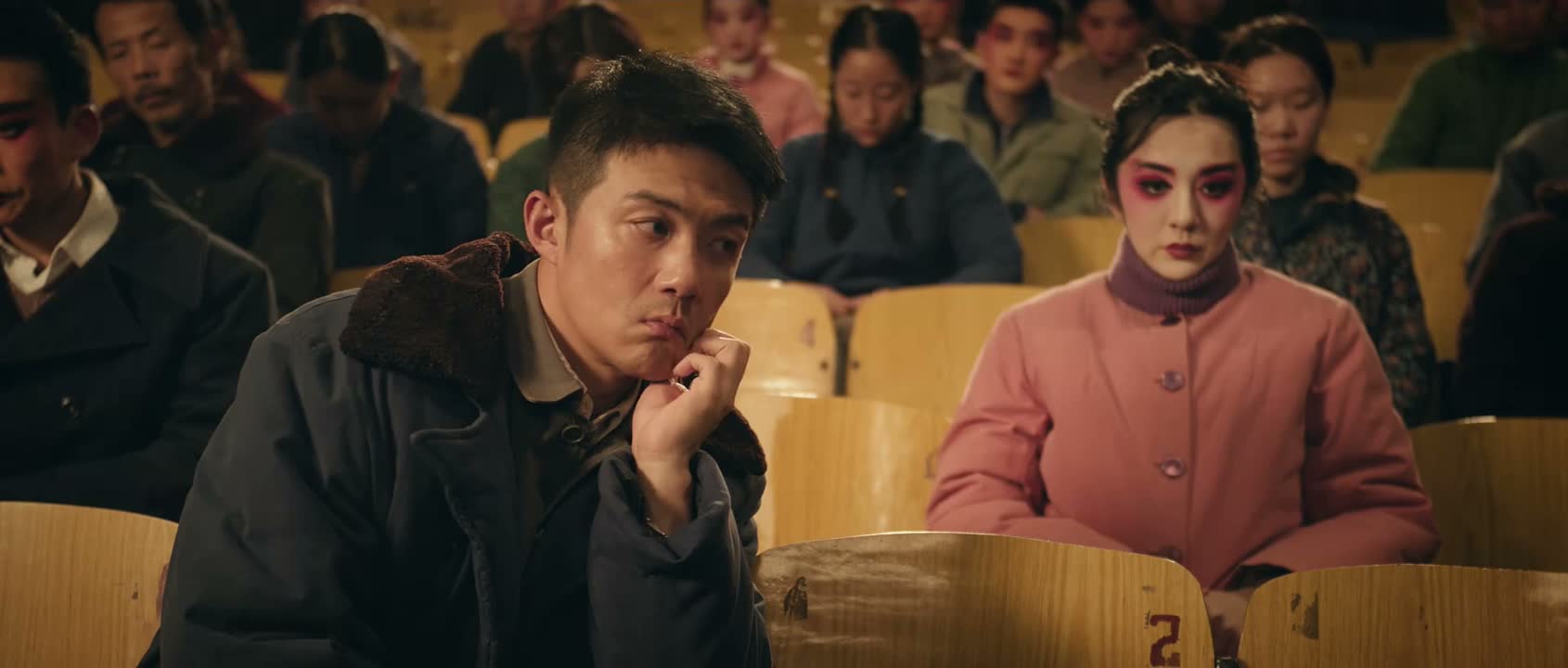
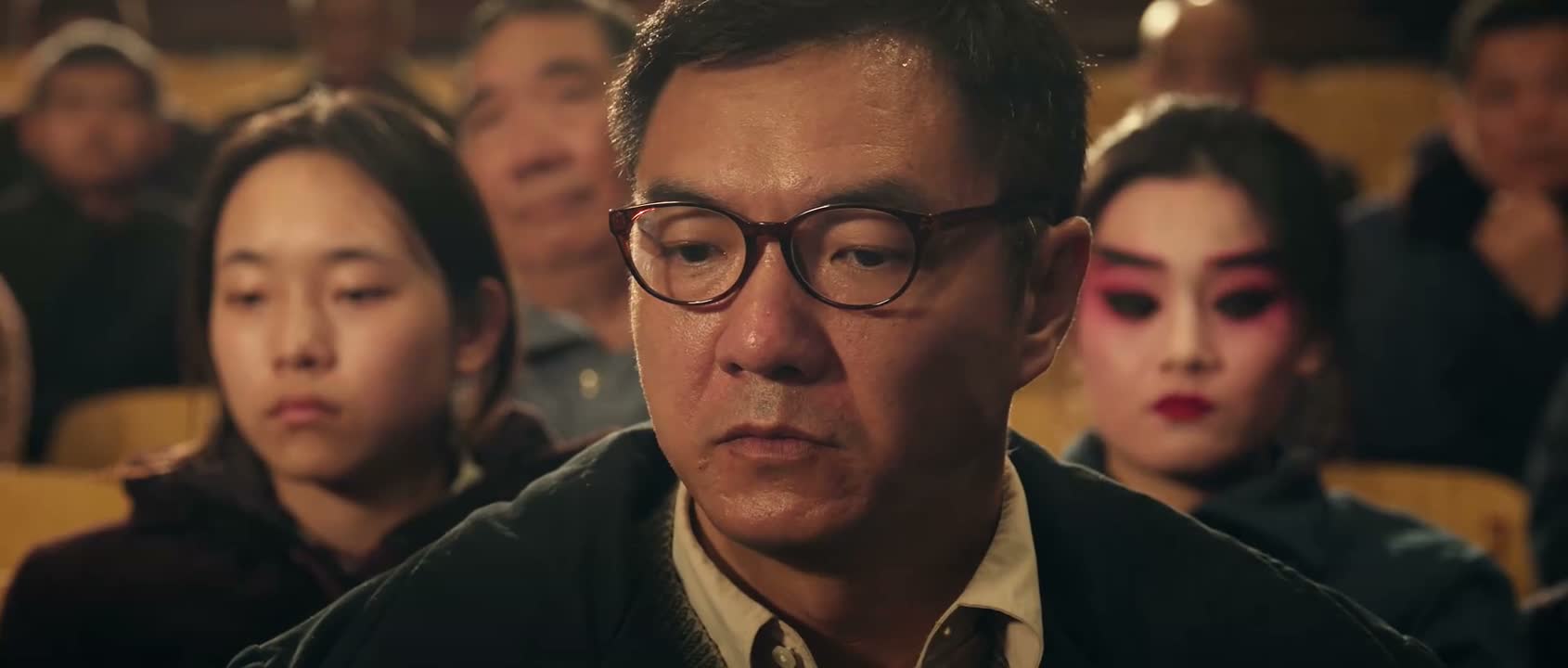
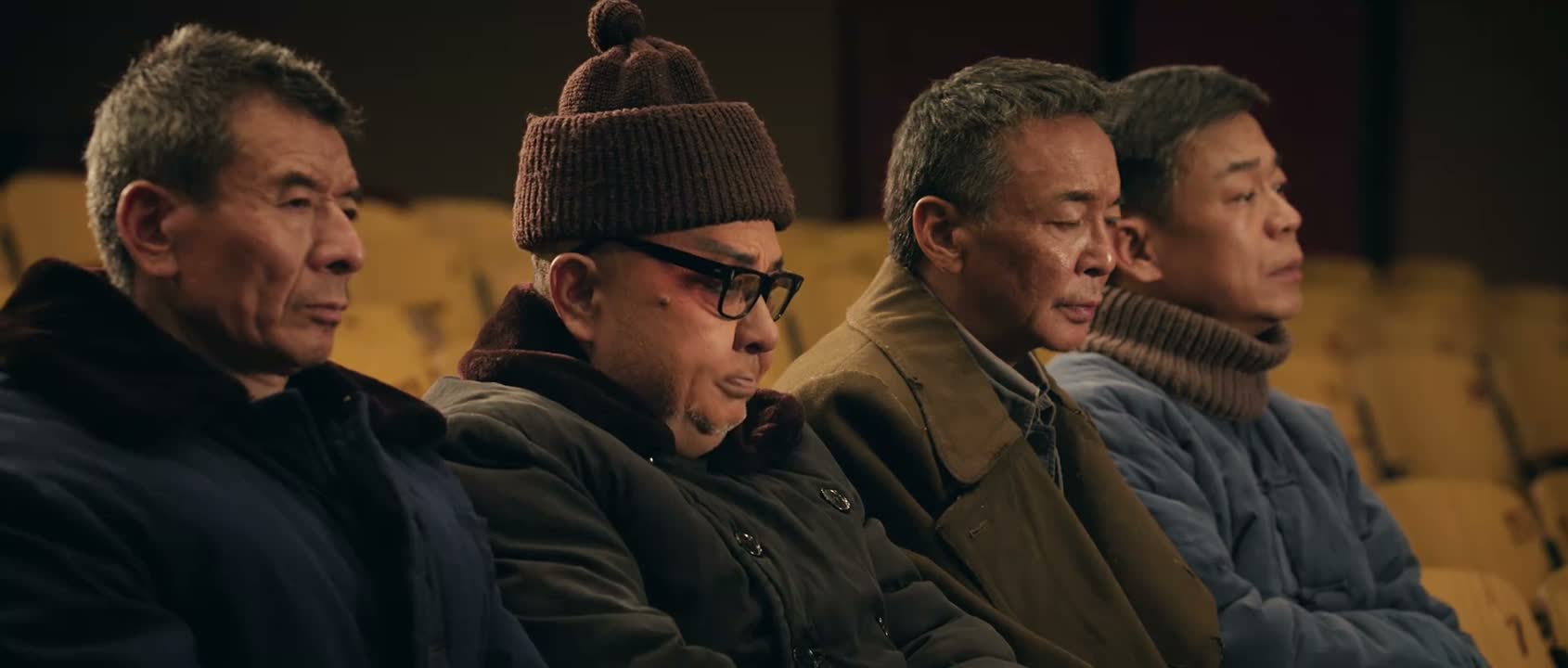
kuài diǎn huà kuài diǎn huà lái bù jí le lái bù jí leApúrense con el maquillaje. Se nos acaba el tiempo.



HSK 4
0:03s
shuō zán jù tuán zhè me duō nián méi xì kě yǎnafirmando que el estancamiento de la troupe