Cómo usar "也是今日才听说的" (yě shì jīn rì cái tīng shuō de) en el diálogo chino
也是今日才听说的
Acabo de enterarme hoy.
Show Information
Source Media
TV Series
Season & Episode
S1 E13
Clip Timestamp
34:16
TMDB ID
289271
Conversation Context
| Line | Chinese | Pinyin | Translation |
|---|---|---|---|
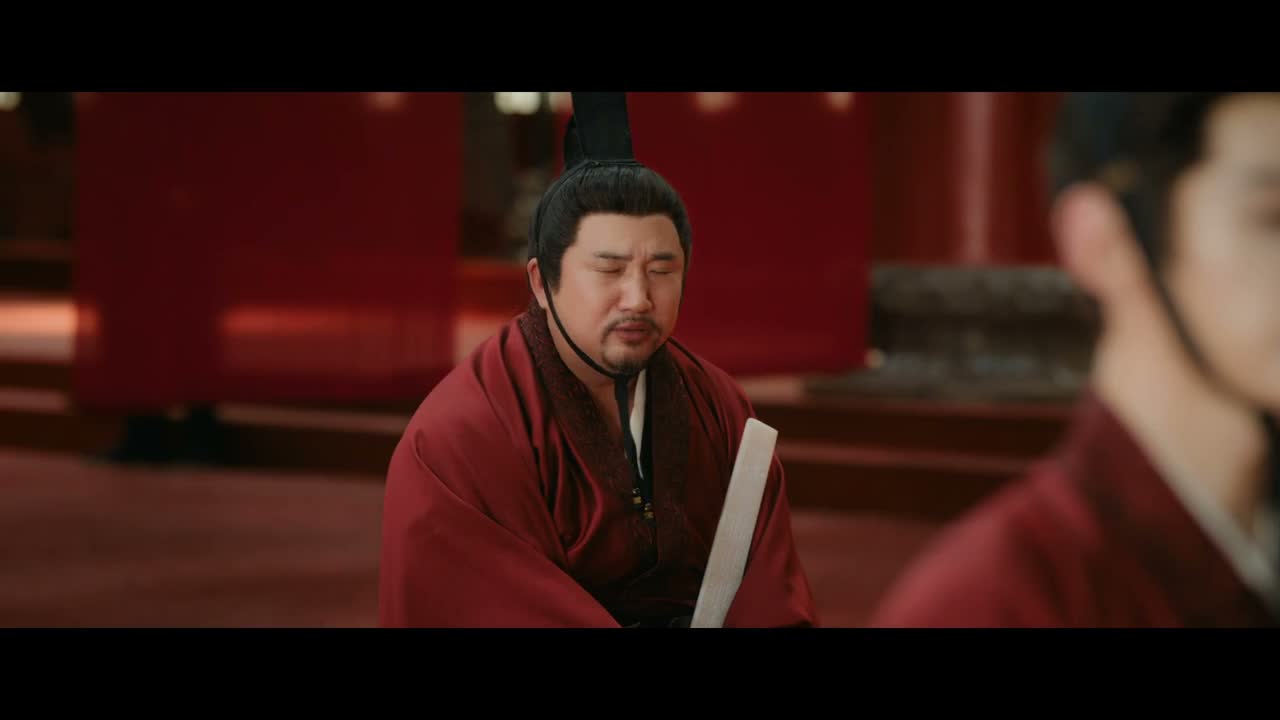
| 1 | 你怎么看? 本官可不像太傅这般 通晓市井消息 | nǐ zěn me kàn ? běn guān kě bù xiàng tài fù zhè bān tōng xiǎo shì jǐng xiāo xī | Señor Xie, ¿cuál es su opinión al respecto? Yo no estoy tan bien informado como el Gran Tutor sobre los chismes populares. |
| 2▶ | 也是今日才听说的 | yě shì jīn rì cái tīng shuō de | Acabo de enterarme hoy. |
| 3 | 那诸位同僚以为 | nà zhū wèi tóng liáo yǐ wéi | Entonces, ¿qué opináis |
More Clips From Episode
Total 108 clips (Page 5 of 6)


HSK 4
0:03s
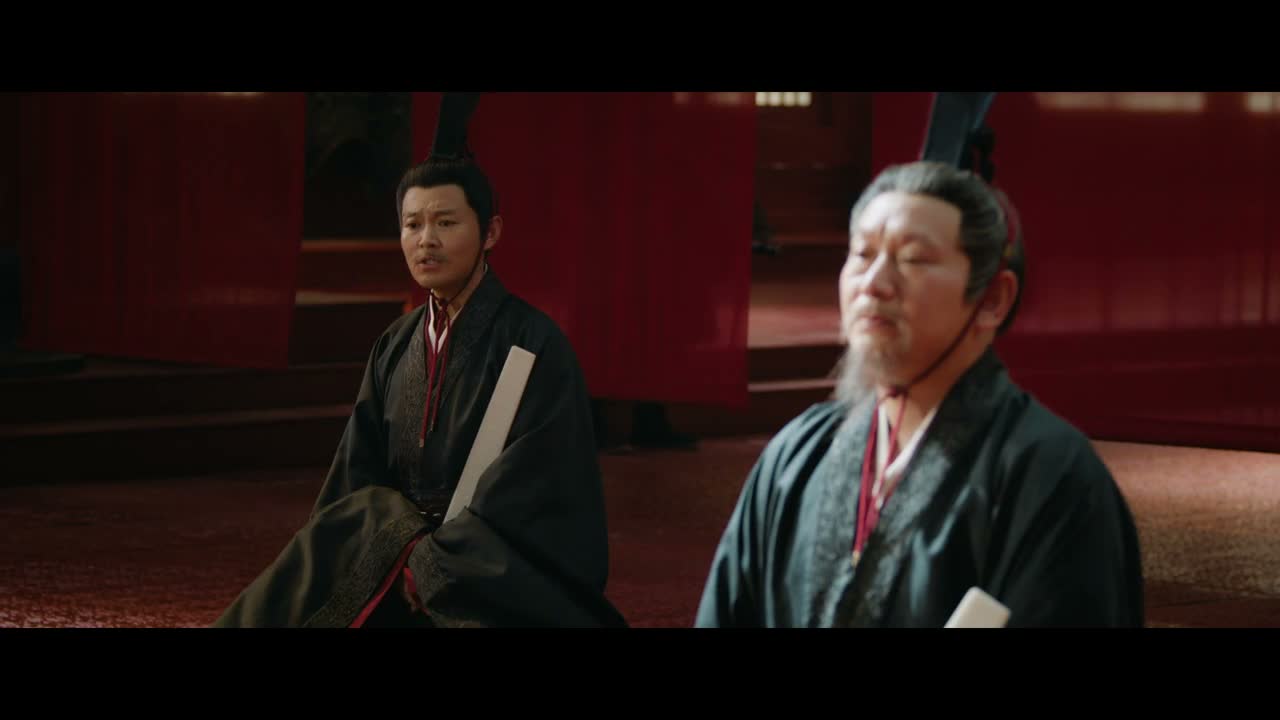
hán le wǒ men jiàng shì de xīnAl difundir este tipo de rumores, bajará la moral de los soldados.

HSK 5
0:03s
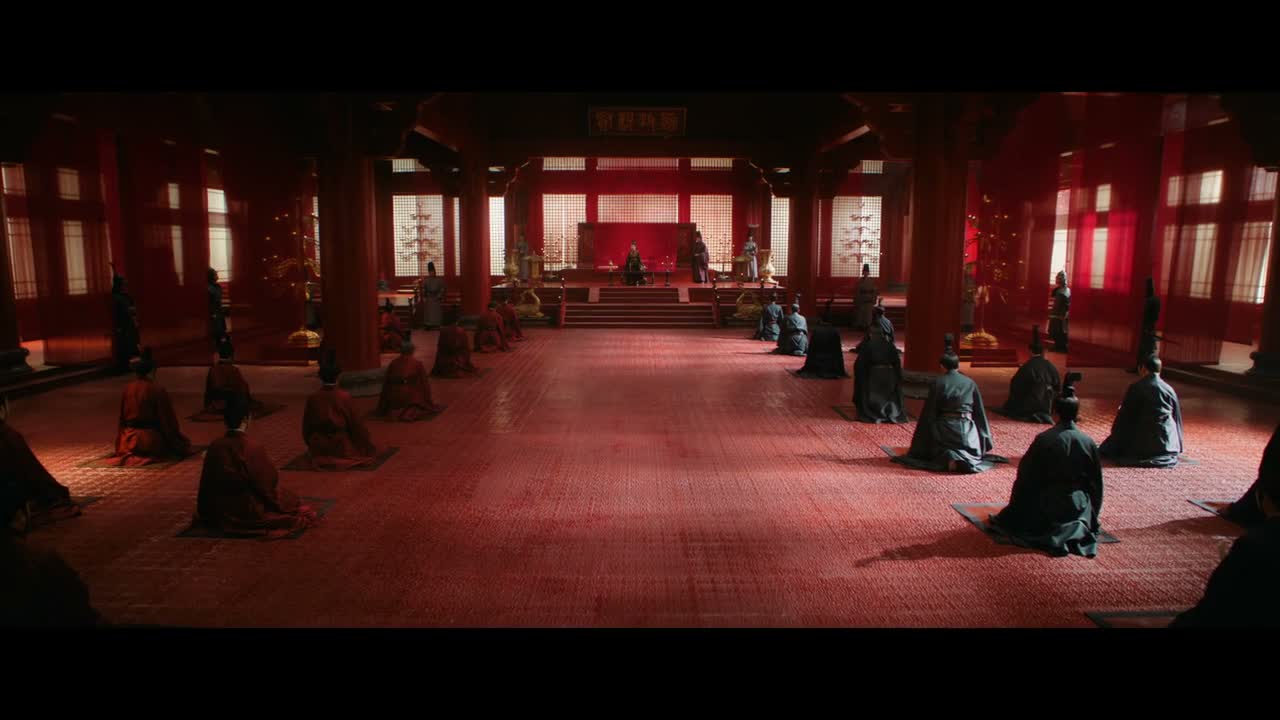
dà chǔ shàng xià gāi yí zhì duì wàiEl Gran Chu debería unirse para enfrentar al enemigo exterior.

HSK 6
0:03s
gū de jiě jiě hé jiù jiù shén me shí hòu huí lái ?cuándo volverán mi hermana y mi tío.

HSK 3
0:03s
děng zhàn shì jié shù sāng shì bàn wánCuando termine la guerra y se completen los funerales,







HSK 2
0:03s
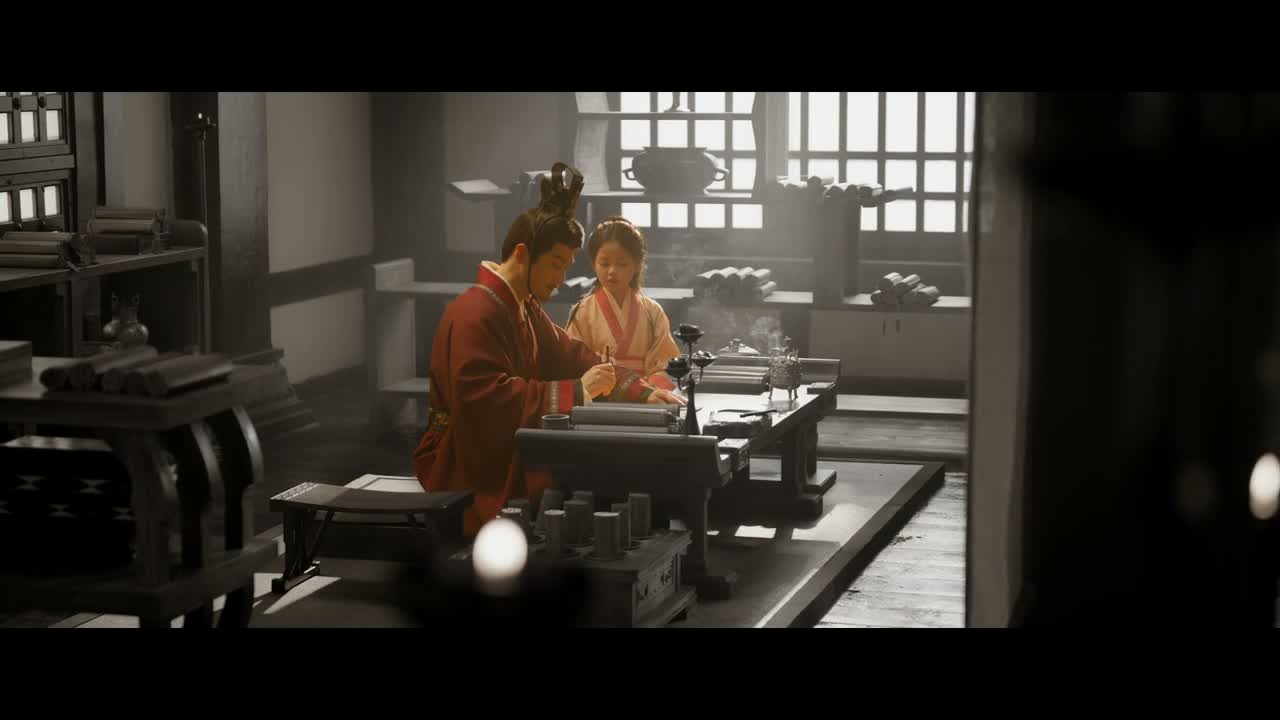
zhè cái dú le duō jiǔ jiù zuò bú zhù le ?¿Ya no aguantas más después de leer tan poco tiempo?


HSK 4
0:03s