Cómo usar "谁强谁就能站稳" (shuí qiáng shuí jiù néng zhàn wěn) en el diálogo chino
谁强谁就能站稳
el más fuerte se mantendrá firme.
Show Information
Source Media
TV Series
Season & Episode
S1 E29
Clip Timestamp
29:52
TMDB ID
284110
Conversation Context
| Line | Chinese | Pinyin | Translation |
|---|---|---|---|
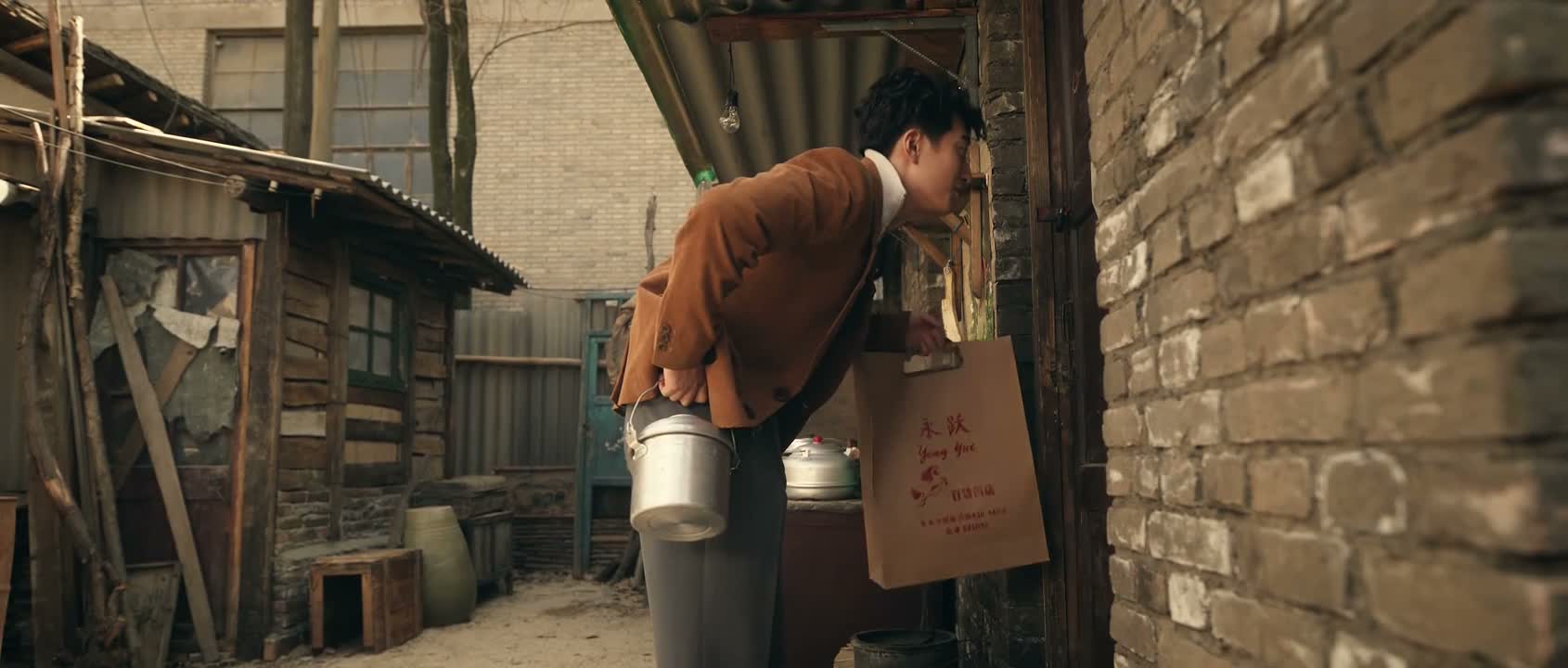
| 1 | 你就讲究个融合嘛 在融合的过程中 | nǐ jiù jiǎng jiū gè róng hé ma zài róng hé de guò chéng zhōng | todo consiste en integrarse. En ese proceso, |
| 2▶ | 谁强谁就能站稳 | shuí qiáng shuí jiù néng zhàn wěn | el más fuerte se mantendrá firme. |
| 3 | 我再说得不对 你别往心里去 你没错 | wǒ zài shuō dé bú duì nǐ bié wǎng xīn lǐ qù nǐ méi cuò | Si me equivoco, por favor no se lo tome a pecho. No se equivoca. |
More Clips From Episode
Total 201 clips (Page 4 of 11)
















HSK 5
0:03s
lái nǐ nòng bú shì nà yì si zhè zǎ huí shì gǔnVamos, hazlo. No quise decir eso. ¿Qué está pasando? Lárgate.