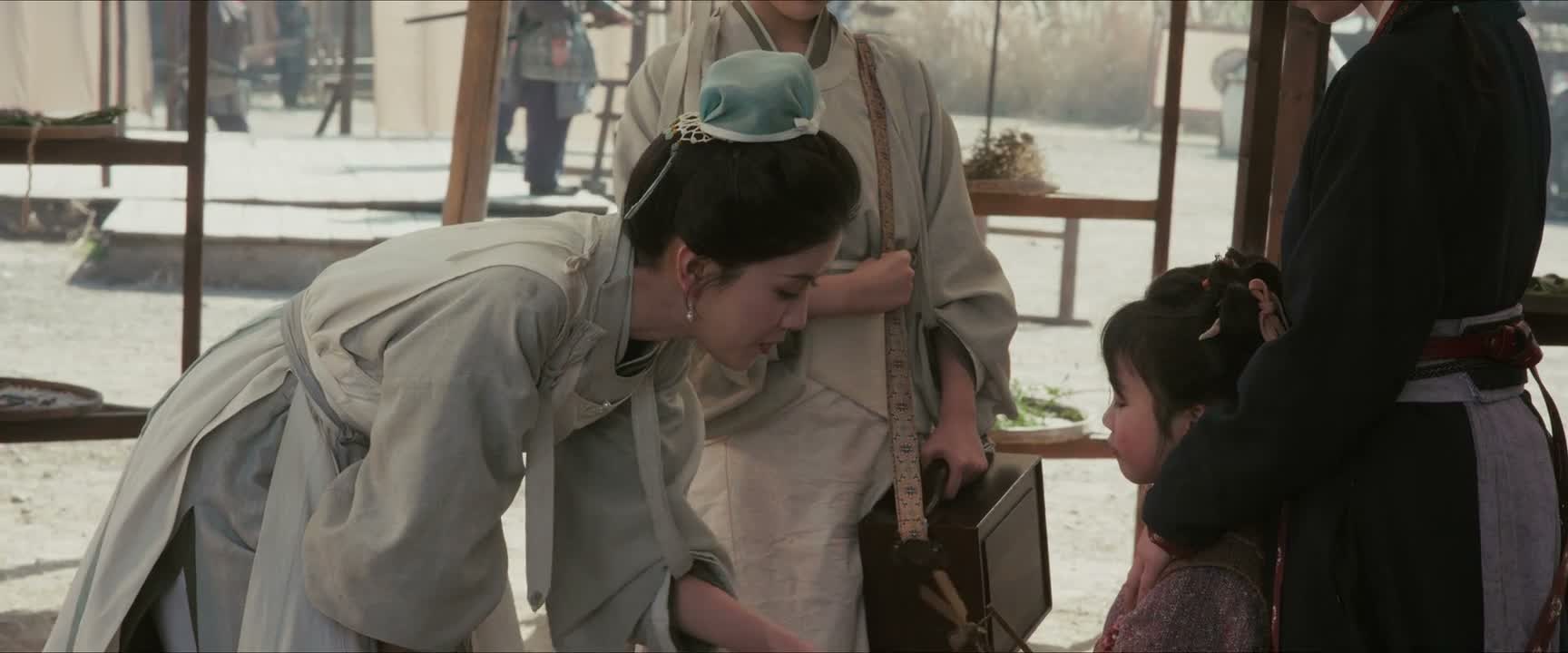
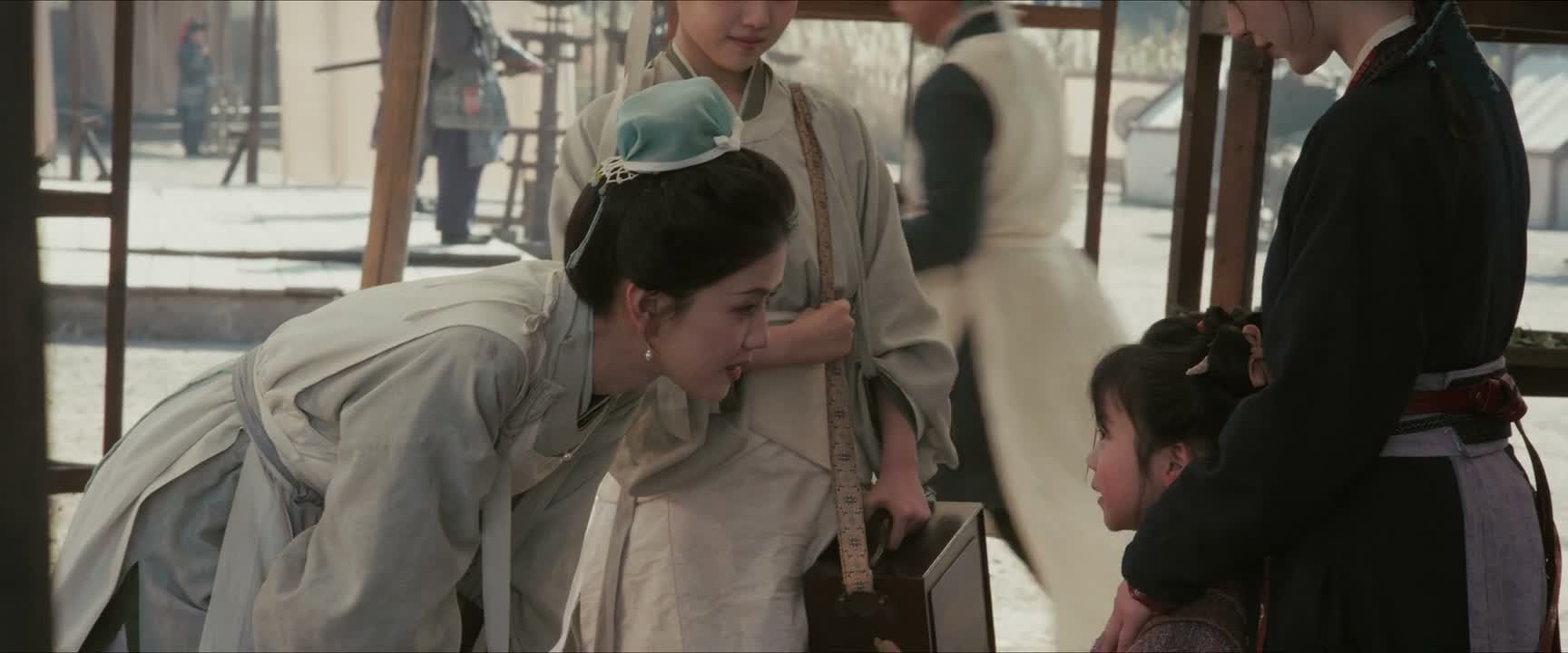
Cómo usar "是我贸然行事" (shì wǒ mào rán xíng shì) en el diálogo chino
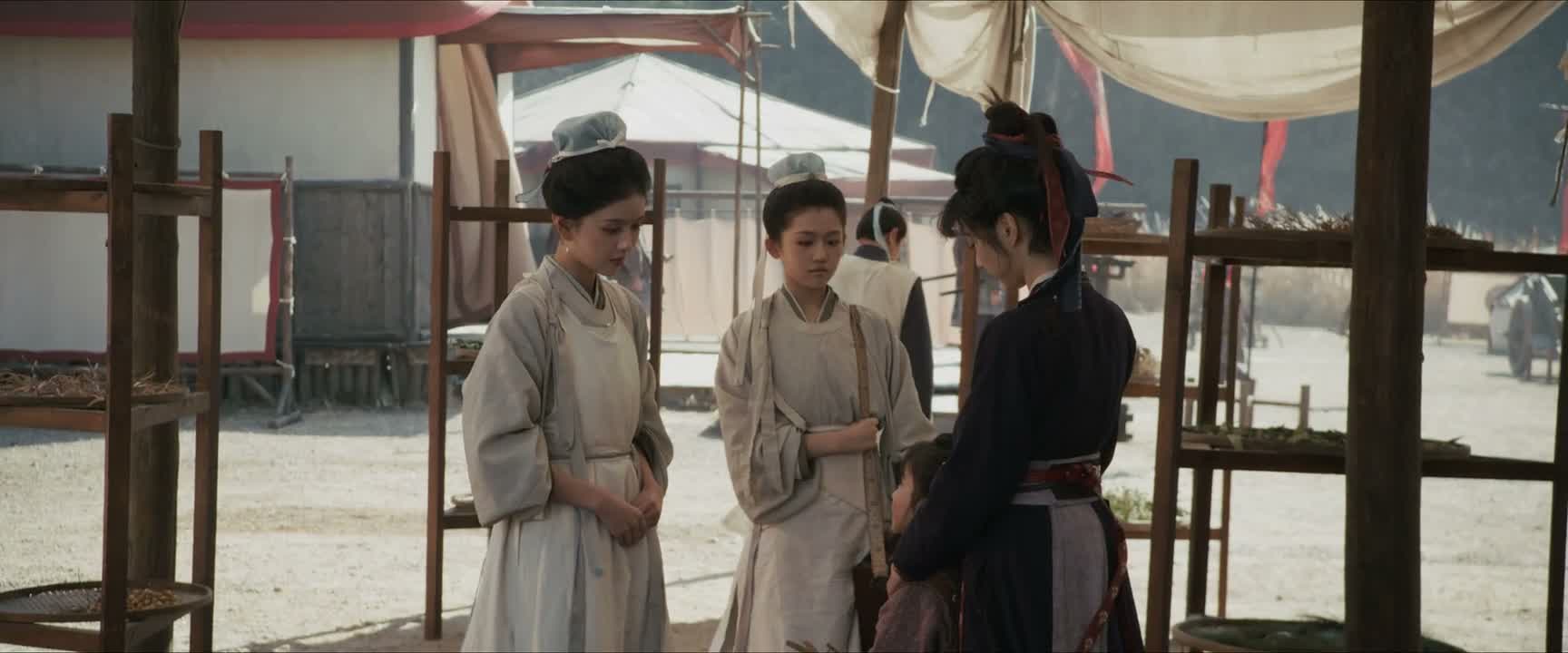
是我贸然行事
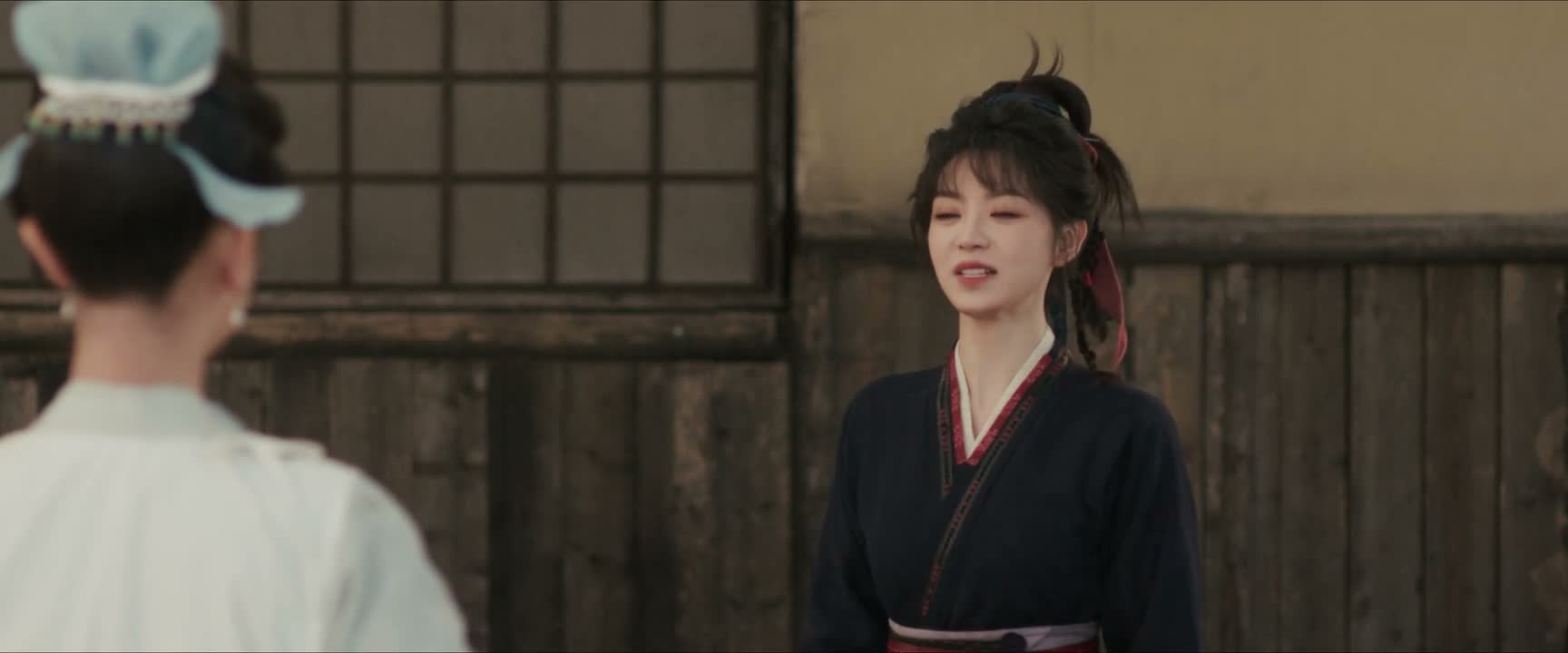
Fue un acto impulsivo de mi parte.
Show Information
Source Media
TV Series
Season & Episode
S1 E24
Clip Timestamp
2:09
TMDB ID
279388
Conversation Context
| Line | Chinese | Pinyin | Translation |
|---|---|---|---|
| 1 | 重则死无全尸 | zhòng zé sǐ wú quán shī | En el peor, ni siquiera habrías tenido una sepultura digna. |
| 2▶ | 是我贸然行事 | shì wǒ mào rán xíng shì | Fue un acto impulsivo de mi parte. |
| 3 | 不曾想过这些 | bù céng xiǎng guò zhè xiē | No me detuve a pensar en las consecuencias. |
More Clips From Episode
Total 187 clips (Page 5 of 10)
HSK 1
0:03s
wǒ men tài yī zhè shì yǐ shēn shì yàoNuestros médicos imperiales prueban la medicina en ellos mismos para asegurarse


HSK 7
0:03s
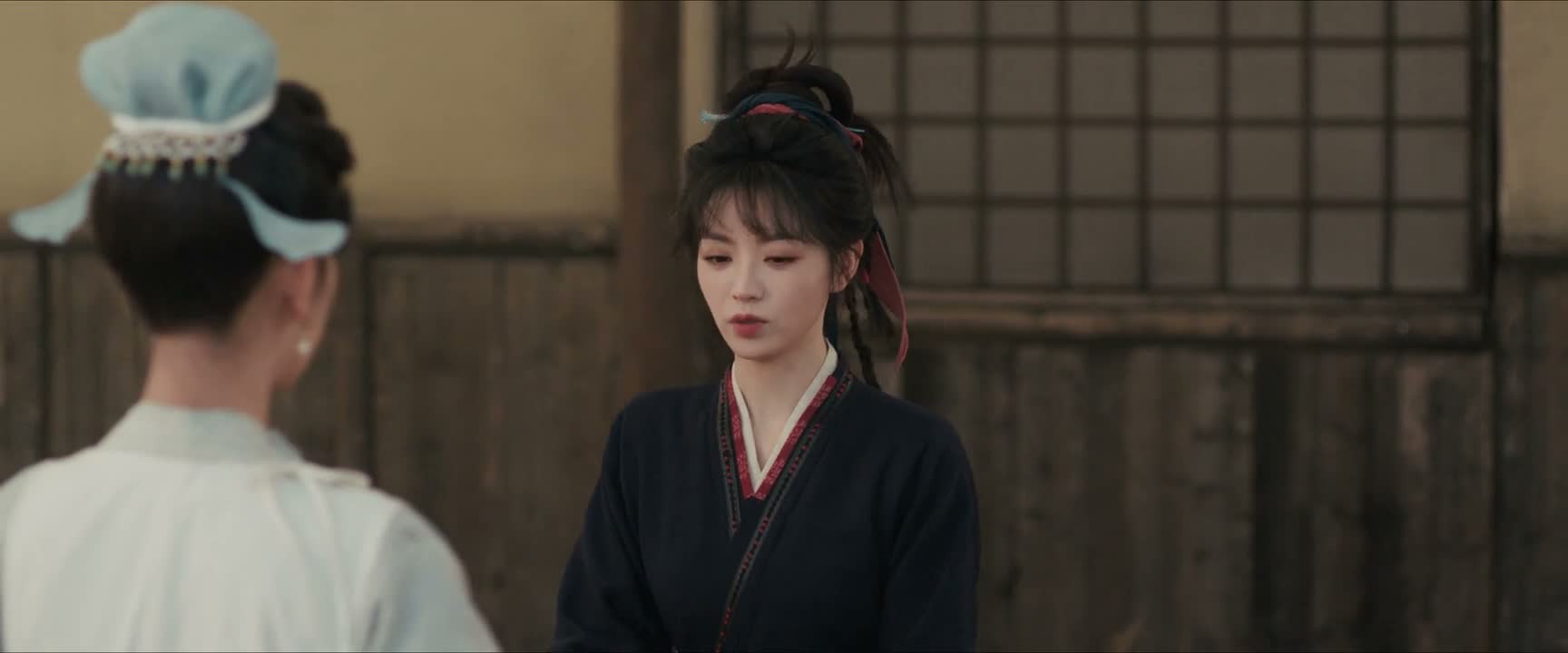
guài bù dé nǐ tiě le xīn yào shàng shān láiCon razón estabas tan decidida a subir a la montaña.

HSK 7
0:03s
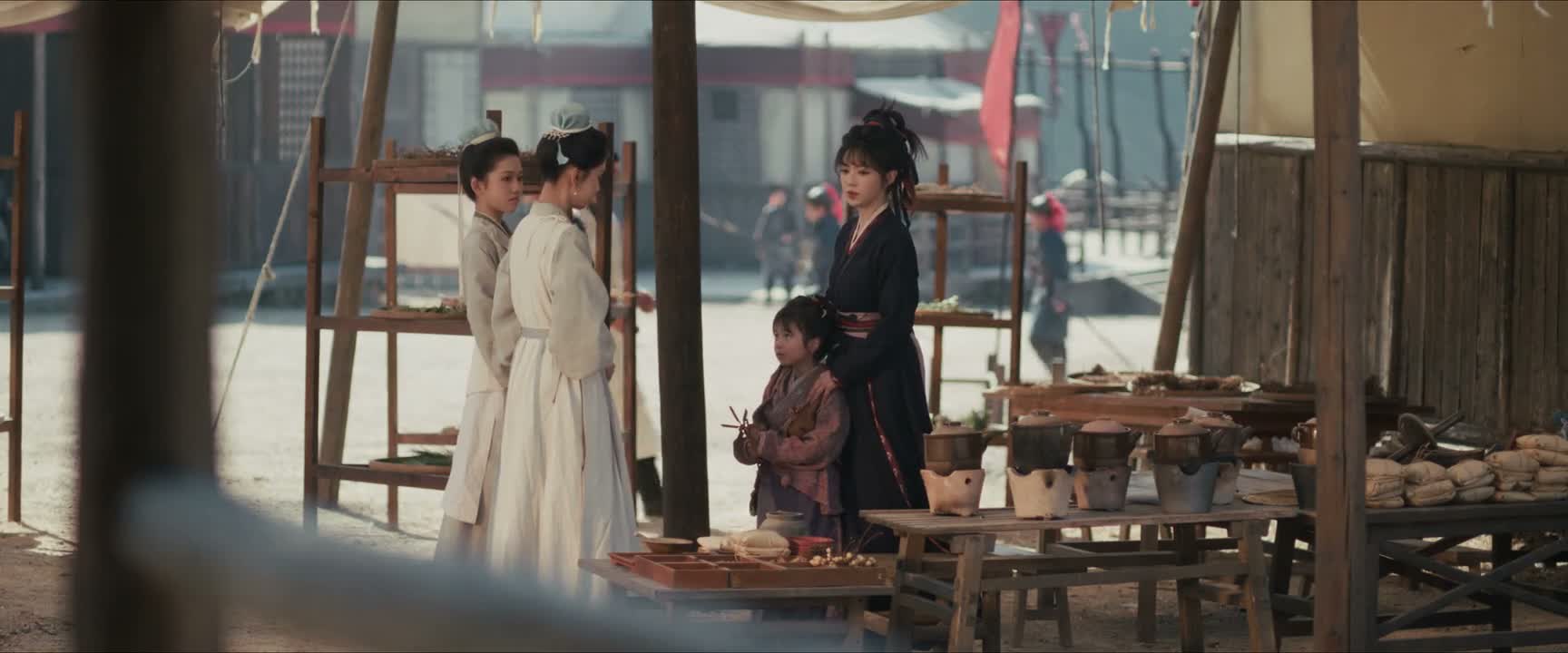
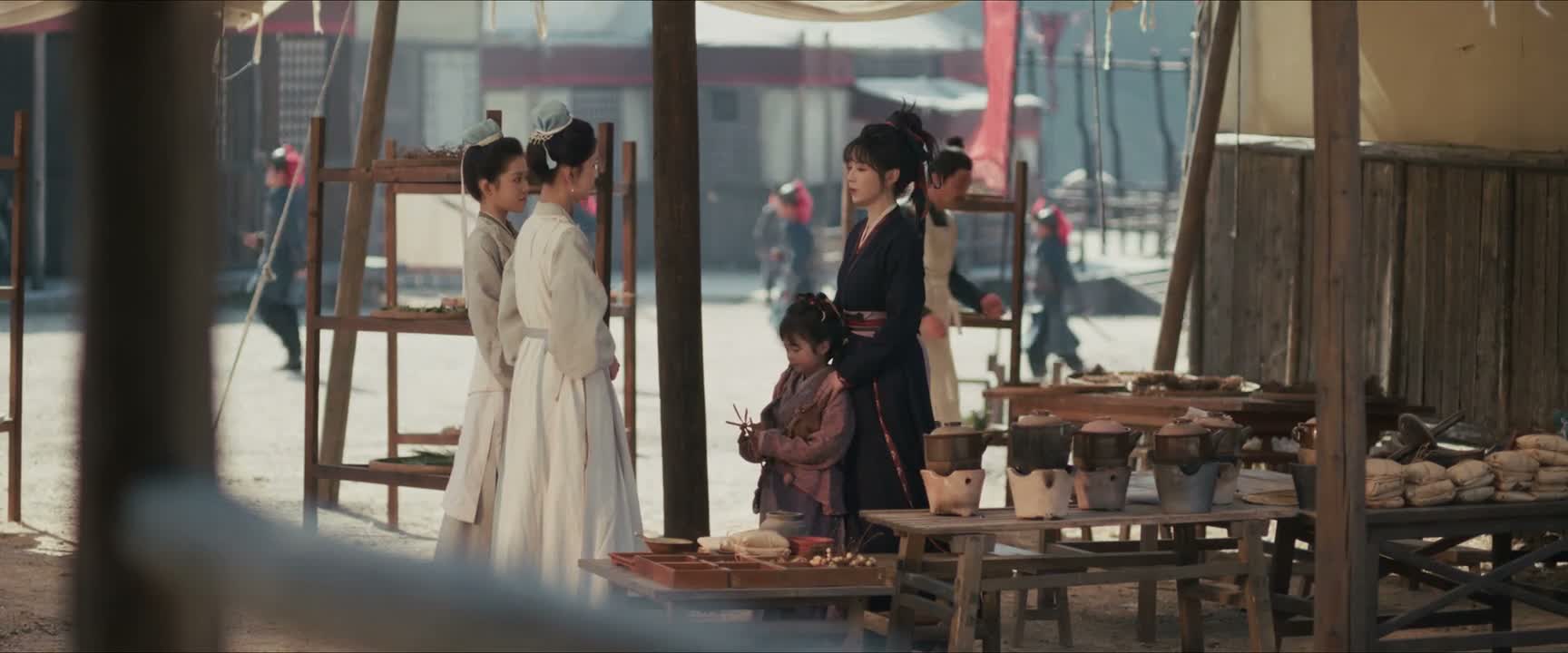
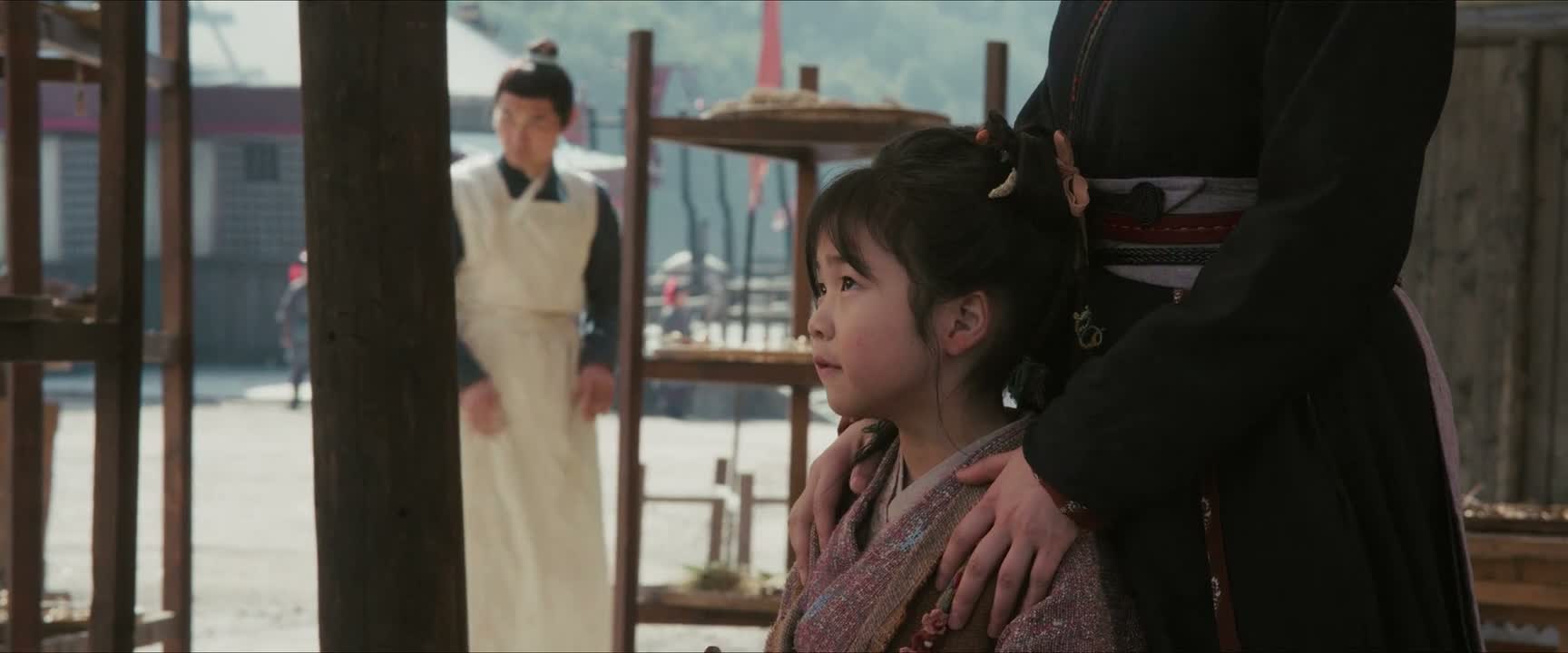
zhǐ bù guò méi xiǎng dào níng niáng yě zài zhè érsolo que no esperaba que Changning también estuviera aquí.
HSK 4
0:03s
bǐ pí yǐng xì lǐ de dà jiāng jūn hái lì hàiEs más impresionante que el gran general del teatro de sombras.