Cómo usar "谁求他照顾了 他自己乐意" (shuí qiú tā zhào gù le tā zì jǐ lè yì) en el diálogo chino
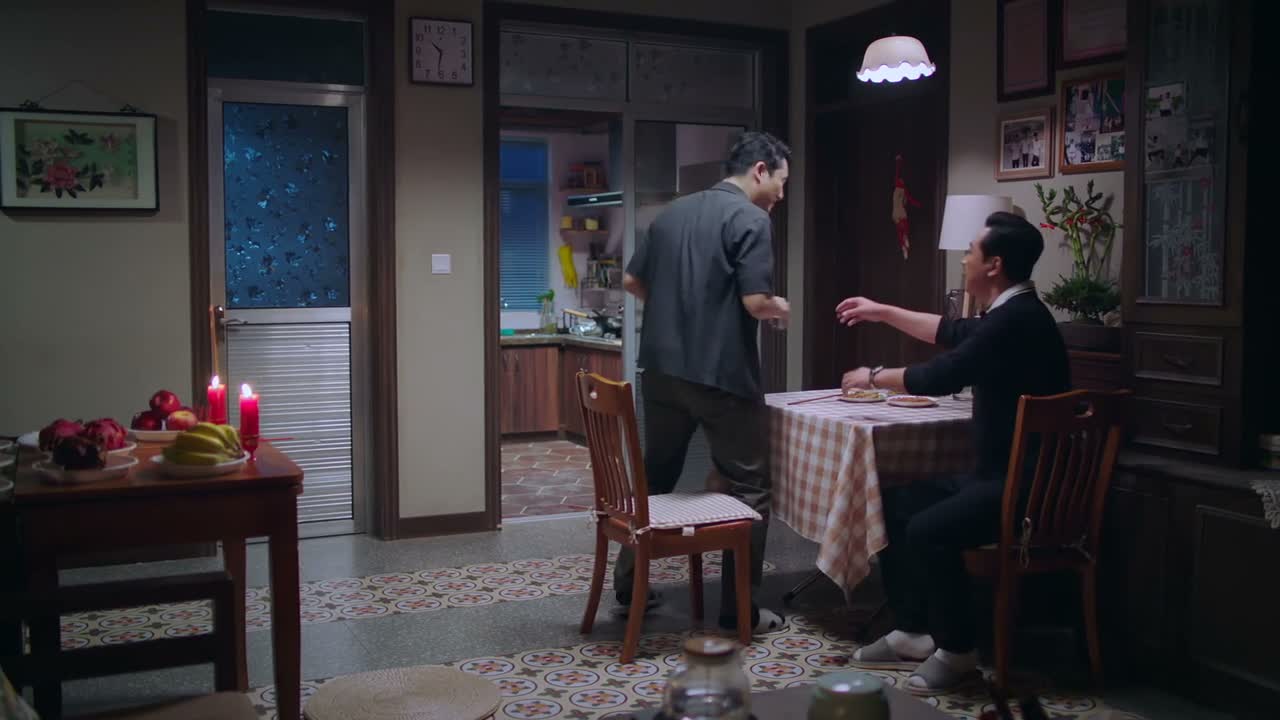
谁求他照顾了 他自己乐意
No le pedí cuidarme. Él mismo lo quiso.
Show Information
Source Media
TV Series
Season & Episode
S1 E20
Clip Timestamp
9:16
TMDB ID
107329
Conversation Context
| Line | Chinese | Pinyin | Translation |
|---|---|---|---|
| 1 | 不是你哥在照顾你吗 | bú shì nǐ gē zài zhào gù nǐ ma | es tu hermano quien te ha cuidado. |
| 2▶ | 谁求他照顾了 他自己乐意 | shuí qiú tā zhào gù le tā zì jǐ lè yì | No le pedí cuidarme. Él mismo lo quiso. |
| 3 | 我走了以后 你别这样气妈了 懂事一点 听到没 | wǒ zǒu le yǐ hòu nǐ bié zhè yàng qì mā le dǒng shì yì diǎn tīng dào méi | Después de irme, no te enojes tanto con mamá. Sé un poco más sensata, ¿me oyes? |
More Clips From Episode
Total 46 clips (Page 3 of 3)
HSK 7
0:03s
nǐ qiáo wǒ zhè jì xìng nǐ shuō nǐ gǎn jǐn zǒu ba nǐMe olvide completamente, pues.... Date prisa en irte.

HSK 6
0:03s
ràng rén jiā xiǎo jiān zài wài tou děng zhe děng děng děng děng jǐ tiān le děngque mi Jian ha estado esperando afuera por por varios días...

HSK 3
0:03s
wǒ jiù méi jiē nǐ men yě tài wū lóng le bapor eso no contesté. Ustedes son tan estúpidos.

HSK 7
0:03s
nà wǒ zěn me yī dà zǎo kàn tā liǎn nà me chòu nán guài leEntonces por eso vi su cara tan apestosas esta mañana. No es de imaginar.