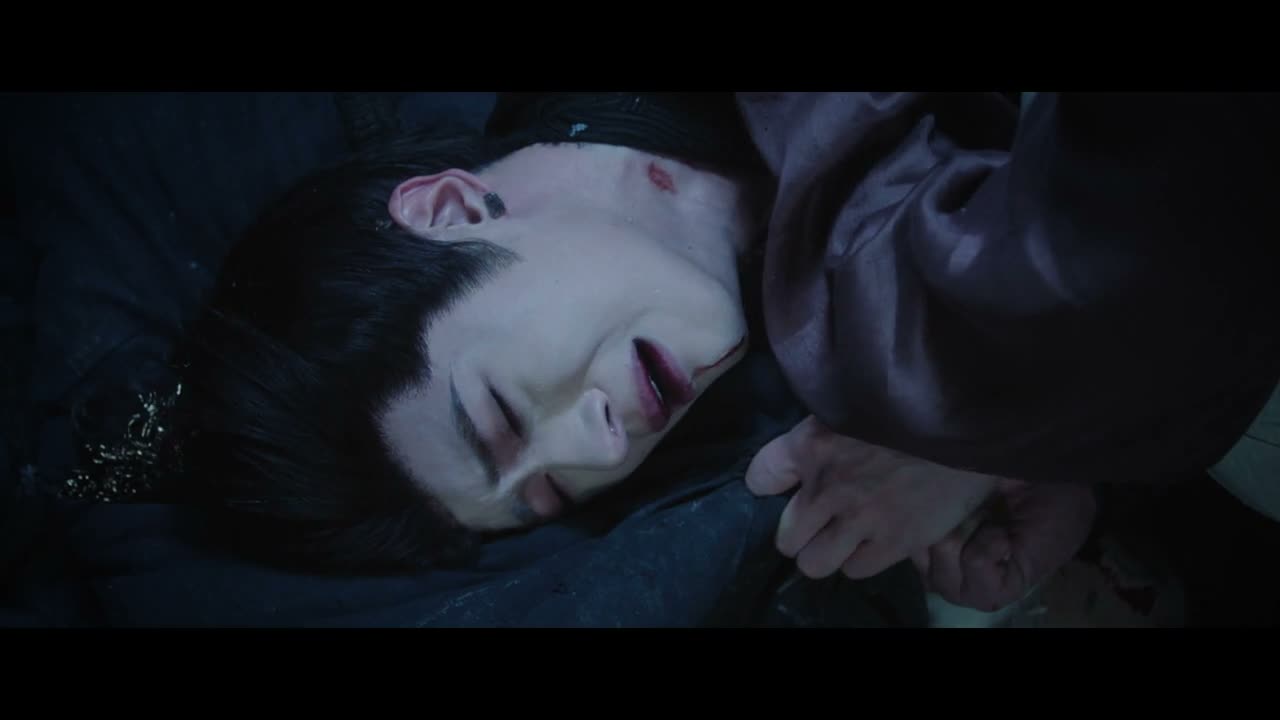
Cómo usar "而且 福兮祸兮" (ér qiě fú xī huò xī) en el diálogo chino
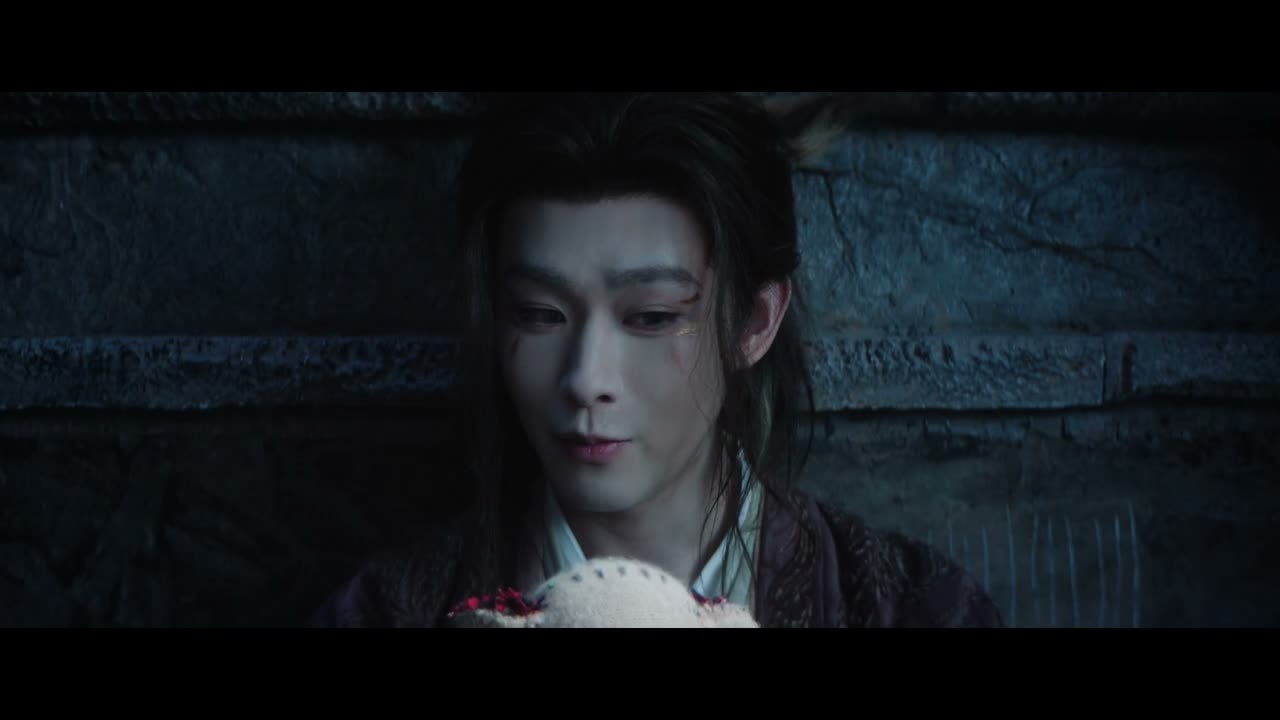
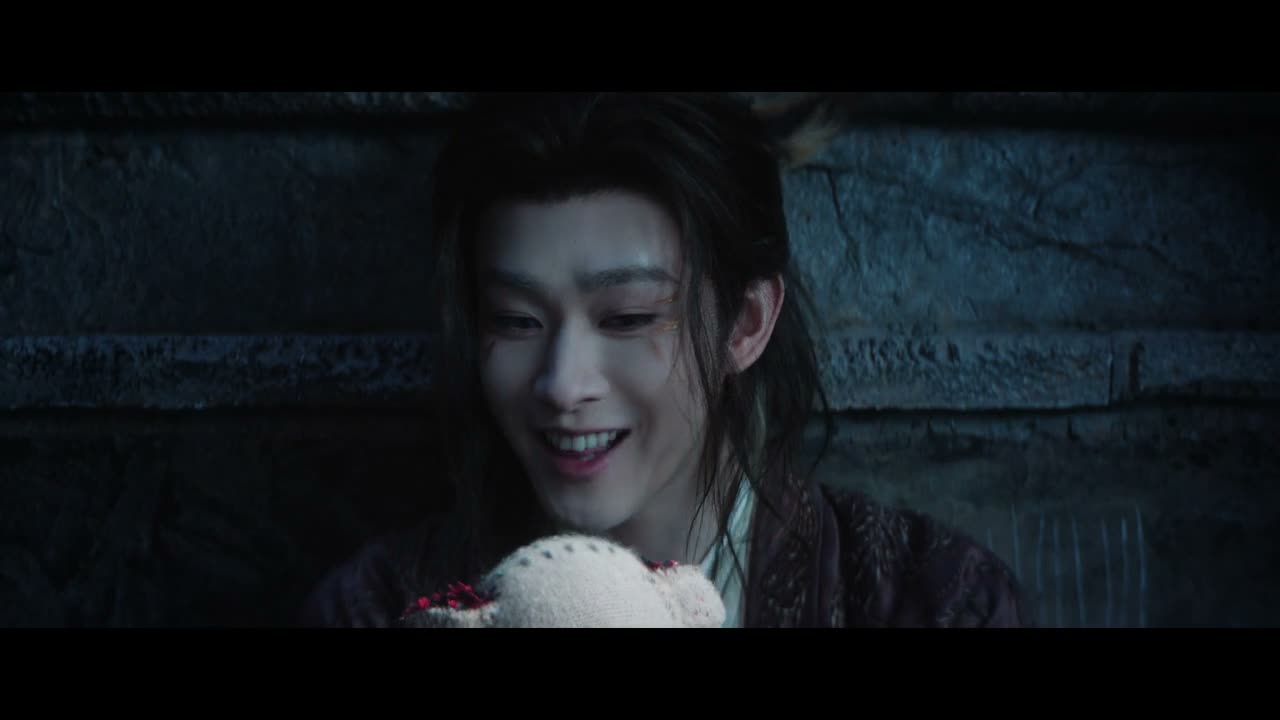
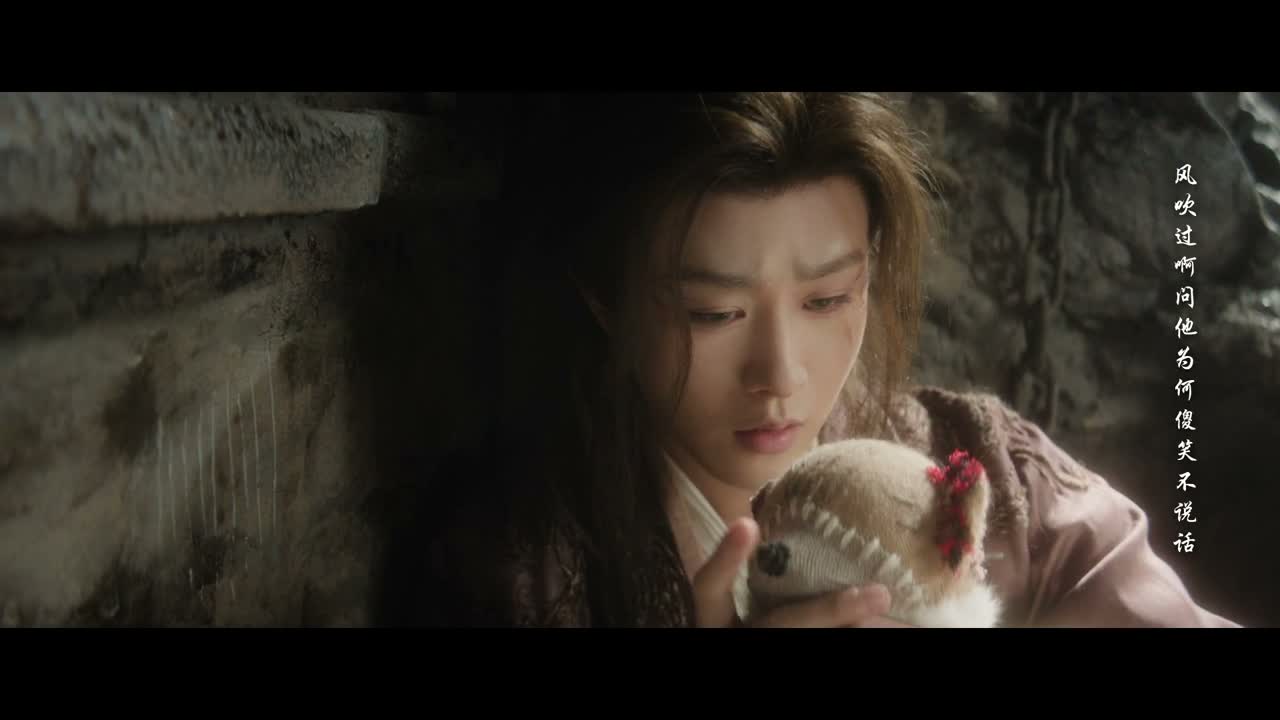
而且 福兮祸兮
Además, las desgracias a veces traen bendiciones.
Show Information
Source Media
TV Series
Season & Episode
S1 E24
Clip Timestamp
14:46
TMDB ID
278275
Conversation Context
| Line | Chinese | Pinyin | Translation |
|---|---|---|---|
| 1 | 更在于我们爱谁 想守护什么 | gèng zài yú wǒ men ài shuí xiǎng shǒu hù shén me | sino con quién amamos y qué queremos proteger. |
| 2▶ | 而且 福兮祸兮 | ér qiě fú xī huò xī | Además, las desgracias a veces traen bendiciones. |
| 3 | 没了最后一道龙神之力 你就不能再杀死螭吻 九婴 | méi le zuì hòu yī dào lóng shén zhī lì nǐ jiù bù néng zài shā sǐ chī wěn jiǔ yīng | Sin la última fuerza del dios Dragón, ya no podrás matar a Chi Wen. Jiuying tampoco intentará poseerte. |
More Clips From Episode
Total 124 clips (Page 5 of 7)
HSK 2
0:03s
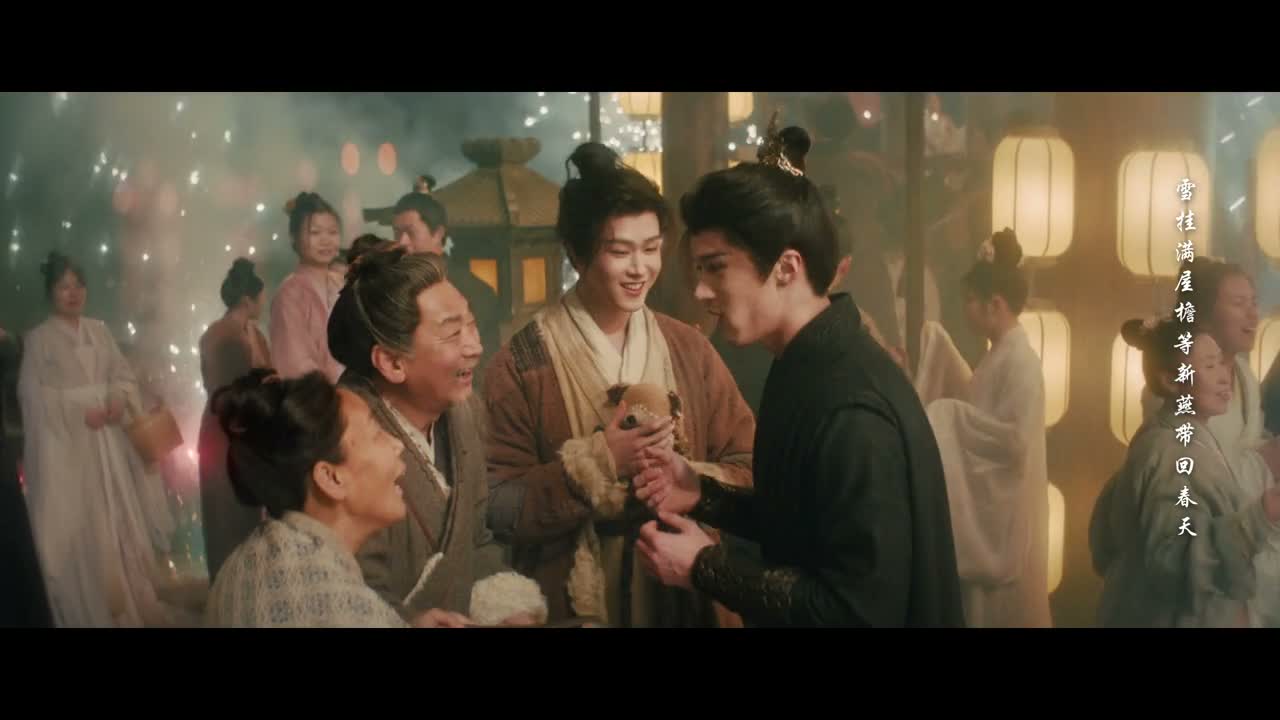
- diē niáng xiǎng nǐ a - wǒ yě xiǎng nǐ men- Te extrañamos. - Yo también los extrañé.
HSK 2
0:03s
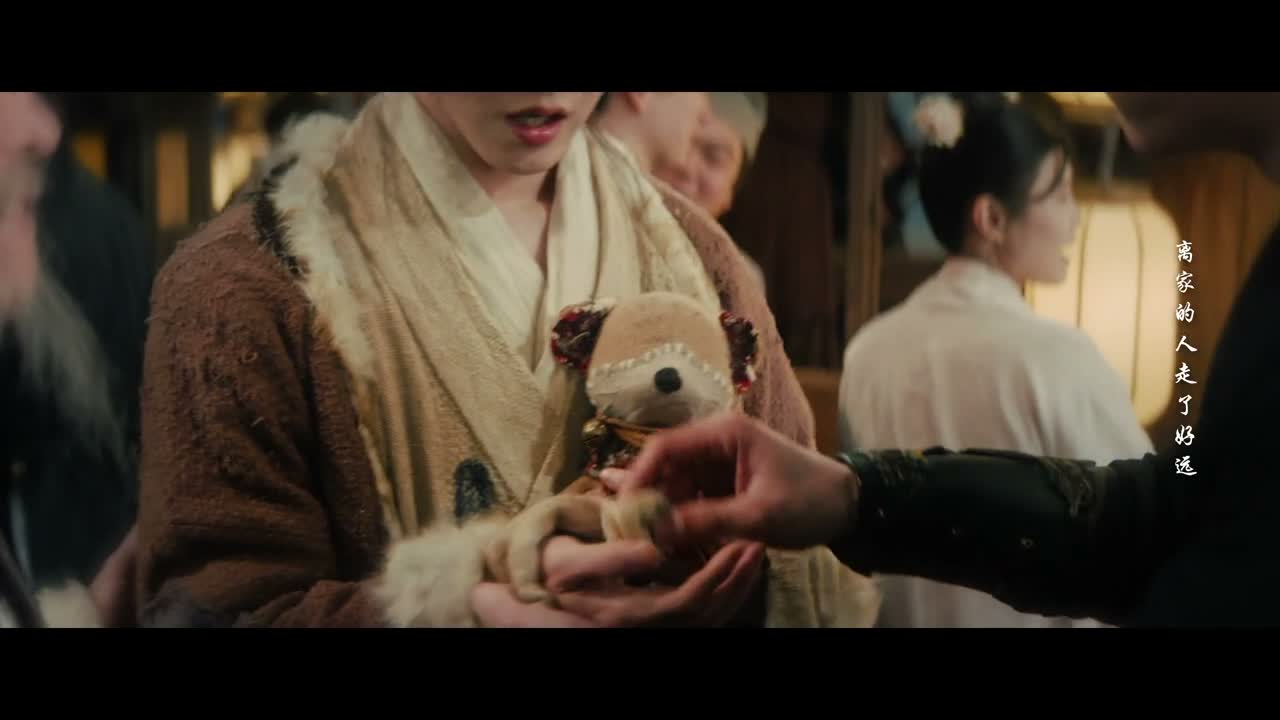
- hǎo chī - hǎo chī a gěi xī zāi yě lái yí gè- Qué rico. - ¿Te gustaron? Dale uno a Xizai también.

HSK 3
0:03s
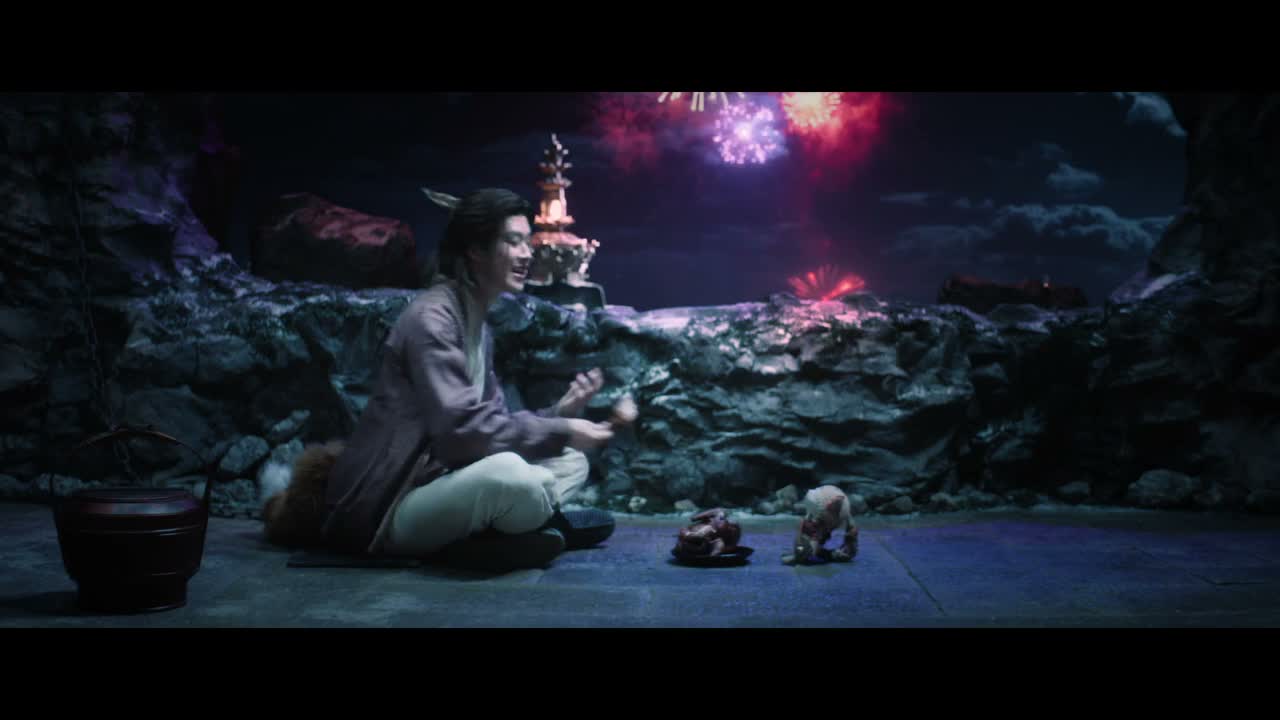
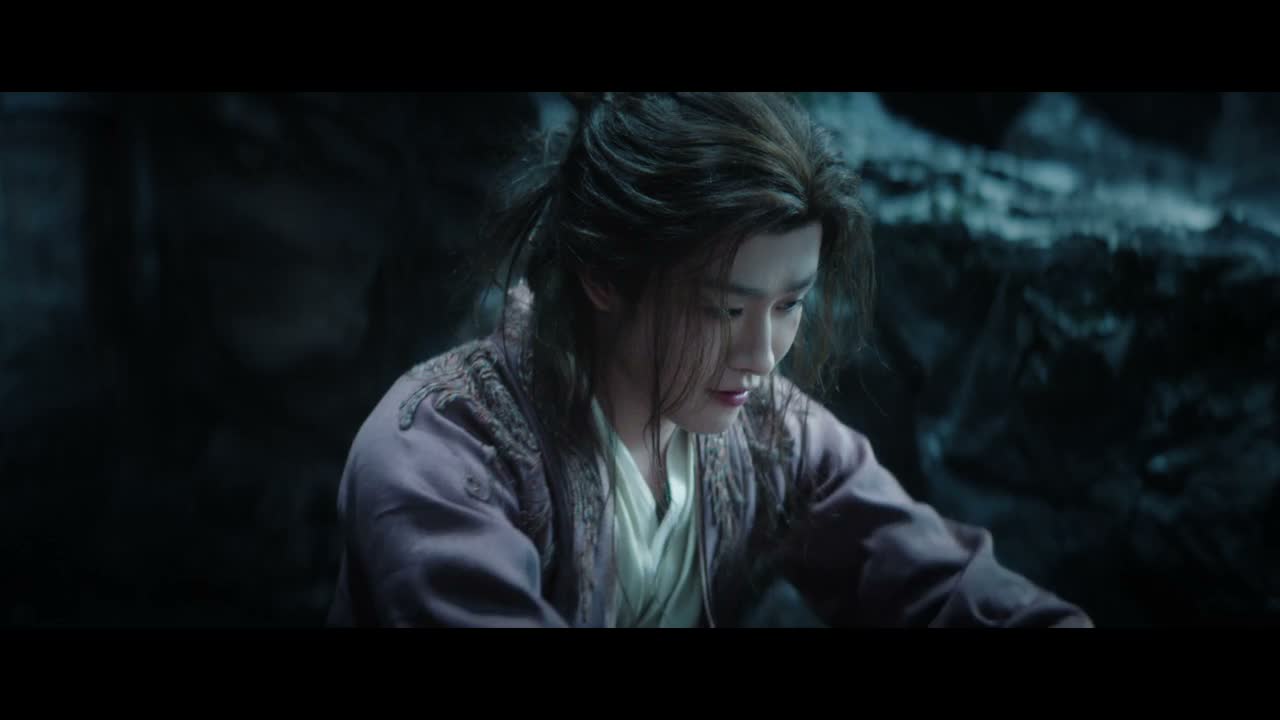
- shén me chī guò le ? nǐ kàn nǐ duō shòu - wǒ chī guò leNo importa. - Estás flaco. - Ya comí.





HSK 5
0:03s
yě bù zhī dào bǎ nǐ dǎ bàn dé hǎo bù hǎo kànni siquiera sé si te he dejado bonito o no.