Cómo usar "倒是没那么心慌了" (dǎo shì méi nà me xīn huāng le) en el diálogo chino
倒是没那么心慌了
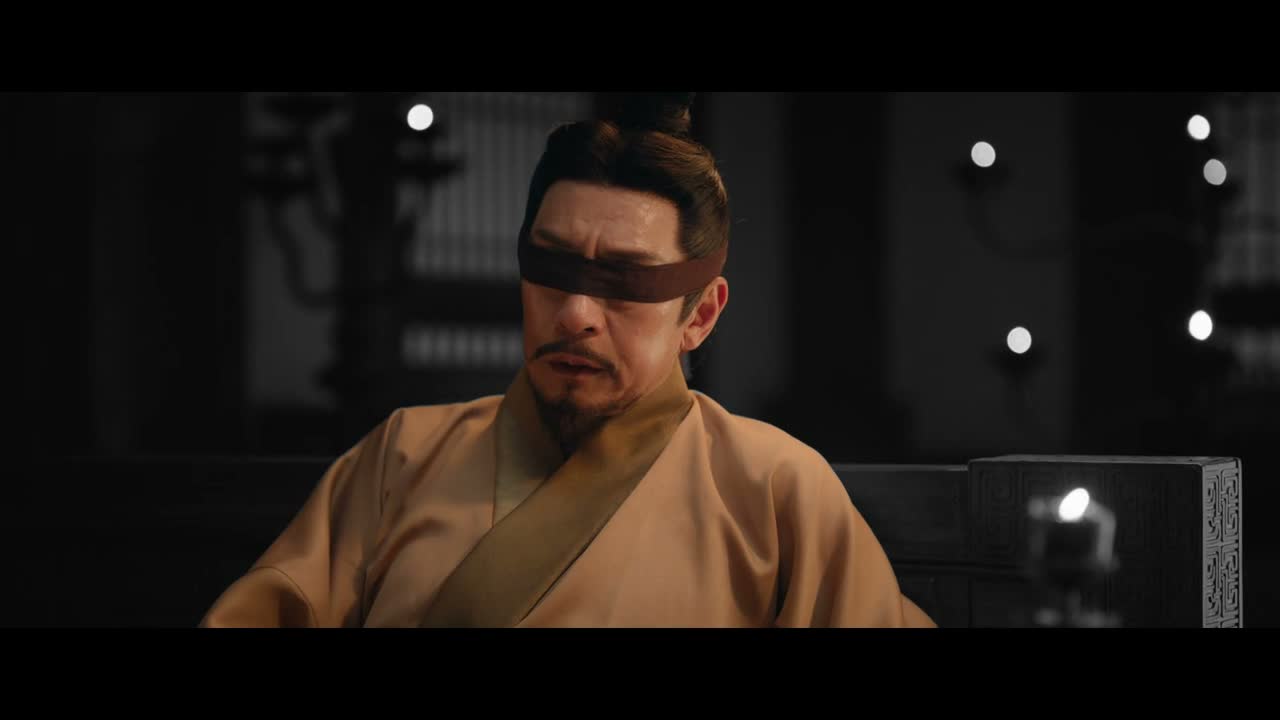
Viéndolo así, no hay motivos para estar tan alarmados.
Show Information
Source Media
TV Series
Season & Episode
S1 E14
Clip Timestamp
34:51
TMDB ID
289271
Conversation Context
| Line | Chinese | Pinyin | Translation |
|---|---|---|---|
| 1 | 想必应付朔漠大军 还是没有问题的 如此看来 | xiǎng bì yìng fù shuò mò dà jūn hái shì méi yǒu wèn tí de rú cǐ kàn lái | tenemos fuerzas suficientes para hacer frente al ejército del norte. Viéndolo así, no hay motivos para estar tan alarmados. |
| 2▶ | 倒是没那么心慌了 | dǎo shì méi nà me xīn huāng le | Viéndolo así, no hay motivos para estar tan alarmados. |
| 3 | 愚见 | yú jiàn | Insensato. |
More Clips From Episode
Total 145 clips (Page 2 of 8)



HSK 3
0:03s


HSK 6
0:03s
zhì shǎo wǒ hái yǒu mí bǔ yí hàn de shí jiānal menos habría tenido tiempo de enmendarlo.
HSK 6
0:03s
shì shuō zhàn zhēng tài kǔ leque mi padre me dijo antes de morir es que la guerra es demasiado dura


HSK 2
0:03s
bù hái shì yǎn zhēng zhēng kàn zhe ā diē sǐ bù míng mùIgual viste a tu padre morir con los ojos abiertos


HSK 7
0:03s
dōu méi yǒu hòu huǐ tā men de xuǎn zé zì qī qī rén bà leno se arrepintieron de sus decisiones. Te estás engañando a ti misma.