Cómo usar "赔不是了 爹" (péi bú shì le diē) en el diálogo chino
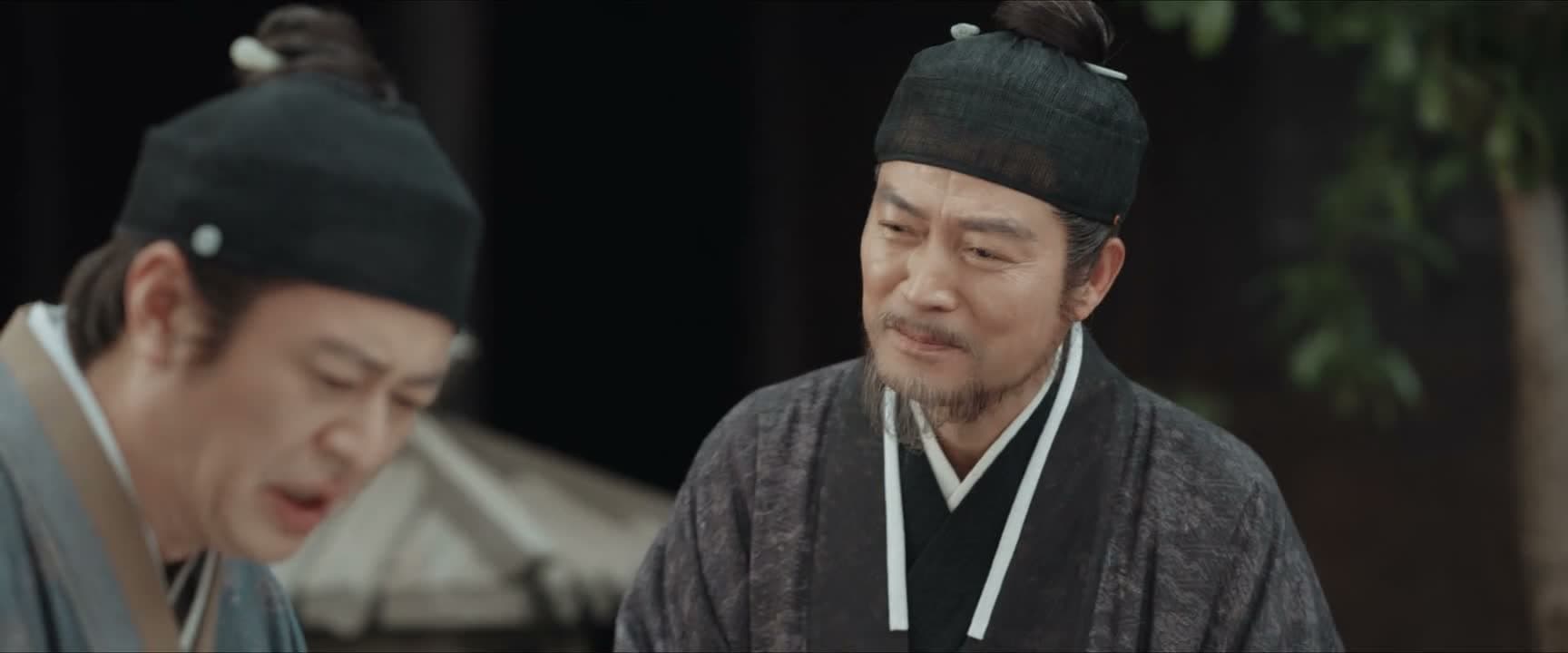
赔不是了 爹
péi bú shì le diē
les pido perdón. Papá.
Show Information
Source Media
TV Series
Season & Episode
S1 E21
Clip Timestamp
14:48
TMDB ID
275966
Conversation Context
| Line | Chinese | Pinyin | Translation |
|---|---|---|---|
| 1 | 爹给你们 | diē gěi nǐ men | Yo |
| 2▶ | 赔不是了 爹 | péi bú shì le diē | les pido perdón. Papá. |
| 3 | 爹 | diē | Papá. |
More Clips From Episode
Total 136 clips (Page 6 of 7)



HSK 7
0:03s

HSK 7
0:03s
kě fǒu ràng wǒ men qīn shǒu shì yī shì zhè mò hǎo yī dǔ fēng cǎi ya¿Podríamos probarla nosotros mismos para apreciar su esplendor?


HSK 7
0:03s
yǐ tián běn chāng de chéng fǔ bì dìng huì liú yǒu hòu shǒu deCon la astucia que tiene Tian Benchang, seguro tiene otro plan escondido.


HSK 4
0:03s
yì qǐ wán chéng bǐ jié guǒ gèng jiā zhòng yàocompletarlo juntos es más importante que el resultado.


HSK 3
0:03s
kàn lái zhēn niáng hái shì bǐ wǒ gèng tōng tòu yī xiēParece que ves las cosas más claramente que yo, Zhen.


HSK 4
0:03s
bù bù bù nǐ qiān wàn bú yào wù huì wǒ de yì si aNo, no, no. Por favor, no malinterpretes lo que dije.

HSK 4
0:03s
jūn zǐ yī yán sì mǎ nán zhuī ér qiě wǒ zhī qián dōu shuō guòLa palabra de un caballero no se retracta. Además, ya te lo dije antes,