Cómo usar "要么他自己就是个穷光蛋" (yào me tā zì jǐ jiù shì gè qióng guāng dàn) en el diálogo chino
要么他自己就是个穷光蛋
o él mismo es un pobre.
Show Information
Source Media
TV Series
Season & Episode
S1 E1
Clip Timestamp
27:15
TMDB ID
279388
Conversation Context
| Line | Chinese | Pinyin | Translation |
|---|---|---|---|
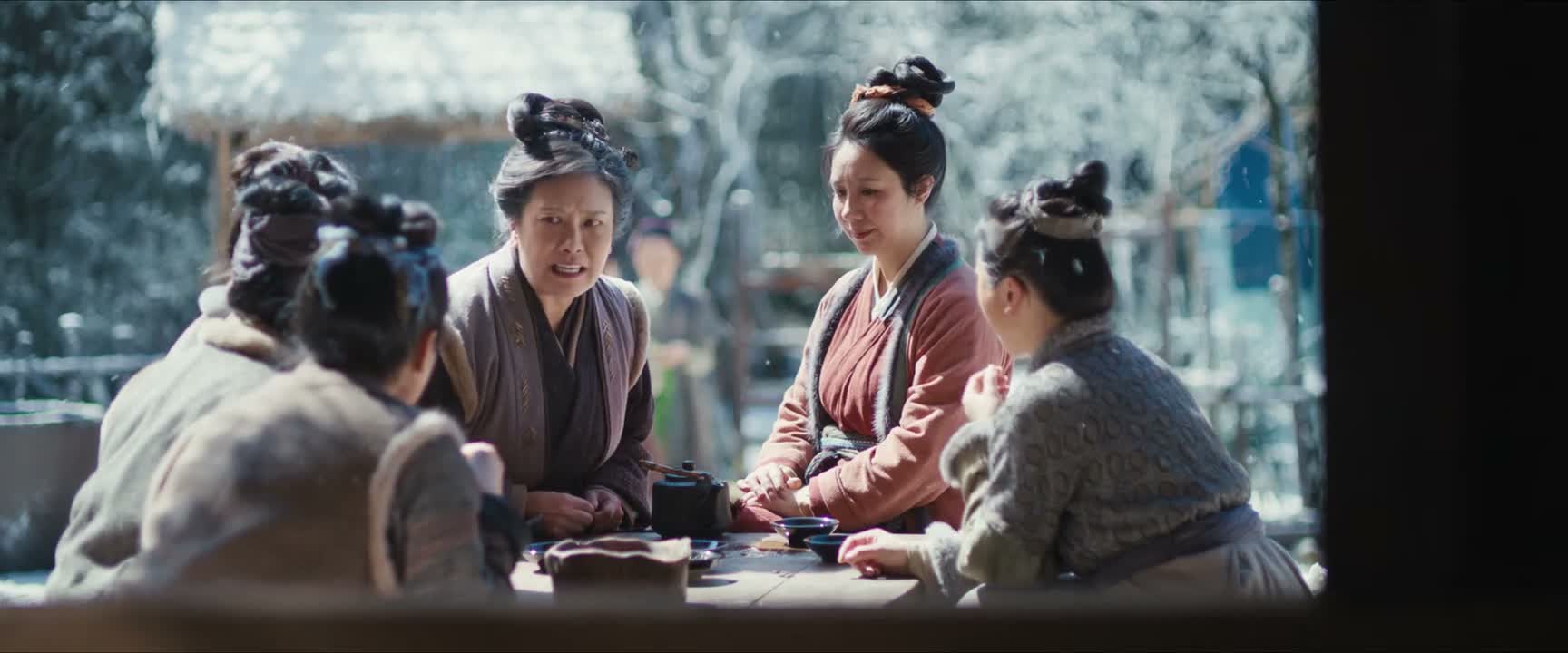
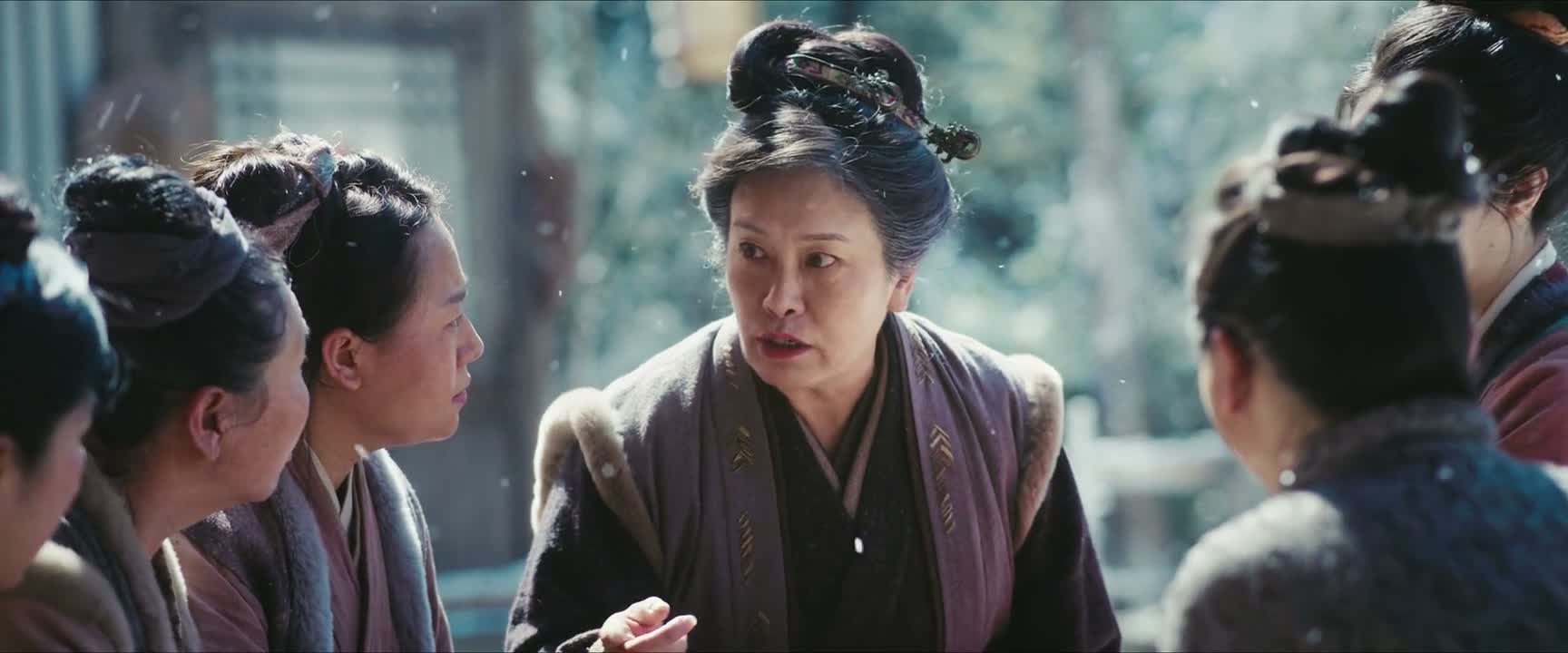
| 1 | 就是被山匪劫光了 | jiù shì bèi shān fěi jié guāng le | los bandidos lo robaron todo, |
| 2▶ | 要么他自己就是个穷光蛋 | yào me tā zì jǐ jiù shì gè qióng guāng dàn | o él mismo es un pobre. |
| 3 | 要不把他抬到县衙门口 | yào bù bǎ tā tái dào xiàn yá mén kǒu | ¿Y si lo dejamos en la puerta de la oficina del gobierno |
More Clips From Episode
Total 164 clips (Page 1 of 9)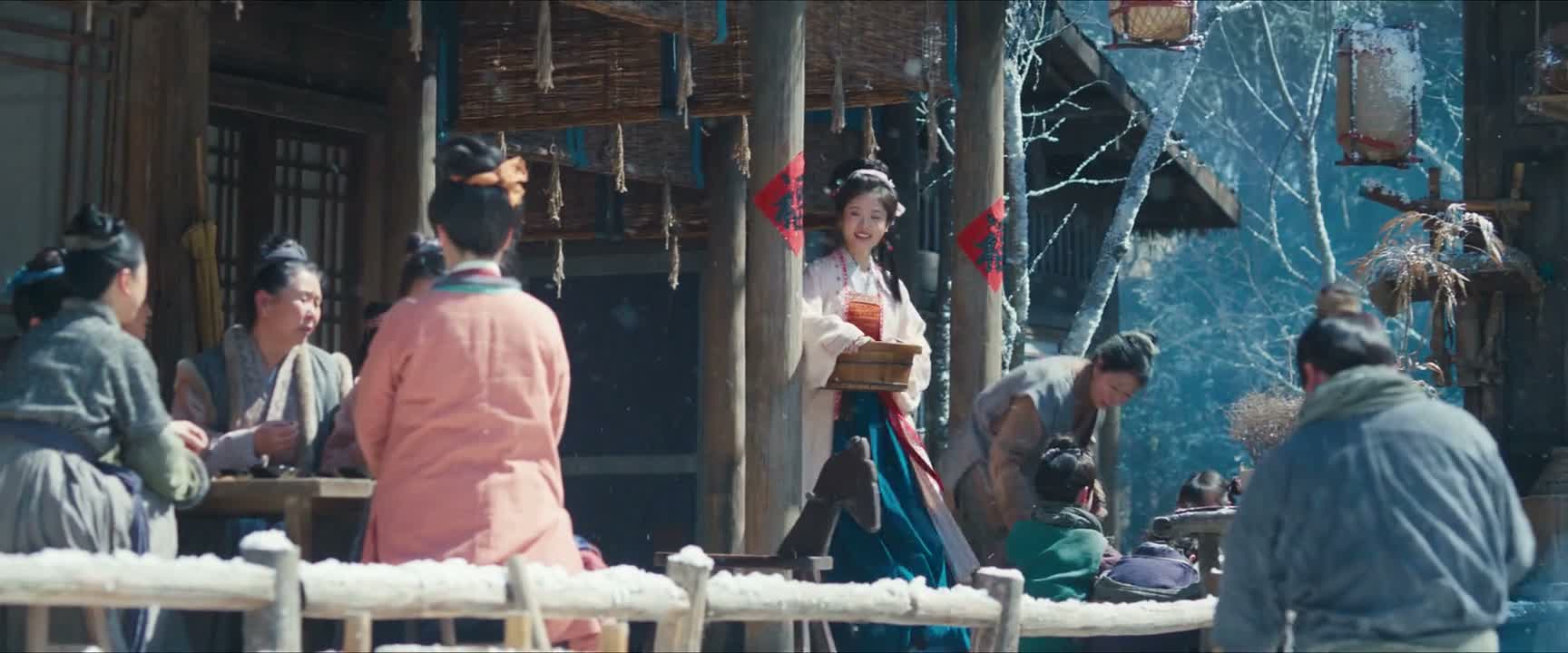





HSK 2
0:03s

HSK 6
0:03s
yào bù zěn me néng jià gěi fán èr yī shā zhū de yaSi no, ¿cómo iba a casarse con un mata cerdos?
HSK 4
0:03s


HSK 4
0:03s
kè zǒu le wèi hūn fū bù shuō le bù shuō le- también te dejó tu prometido. - Ya, ya, no digas eso.