Cómo usar "兄死弟继 弟死兄继" (xiōng sǐ dì jì dì sǐ xiōng jì) en el diálogo chino
兄死弟继 弟死兄继
Si muere el hermano mayor, hereda el menor, y viceversa.
Show Information
Source Media
TV Series
Season & Episode
S1 E2
Clip Timestamp
20:32
TMDB ID
279388
Conversation Context
| Line | Chinese | Pinyin | Translation |
|---|---|---|---|
| 1 | 户无男丁 屋归近亲 | hù wú nán dīng wū guī jìn qīn | sin heredero varón, la casa pasa a los parientes cercanos. |
| 2▶ | 兄死弟继 弟死兄继 | xiōng sǐ dì jì dì sǐ xiōng jì | Si muere el hermano mayor, hereda el menor, y viceversa. |
| 3 | 你就是衙门见官 | nǐ jiù shì yá mén jiàn guān | Aunque vayas a la oficina gubernamental, |
More Clips From Episode
Total 153 clips (Page 4 of 8)



HSK 2
0:03s
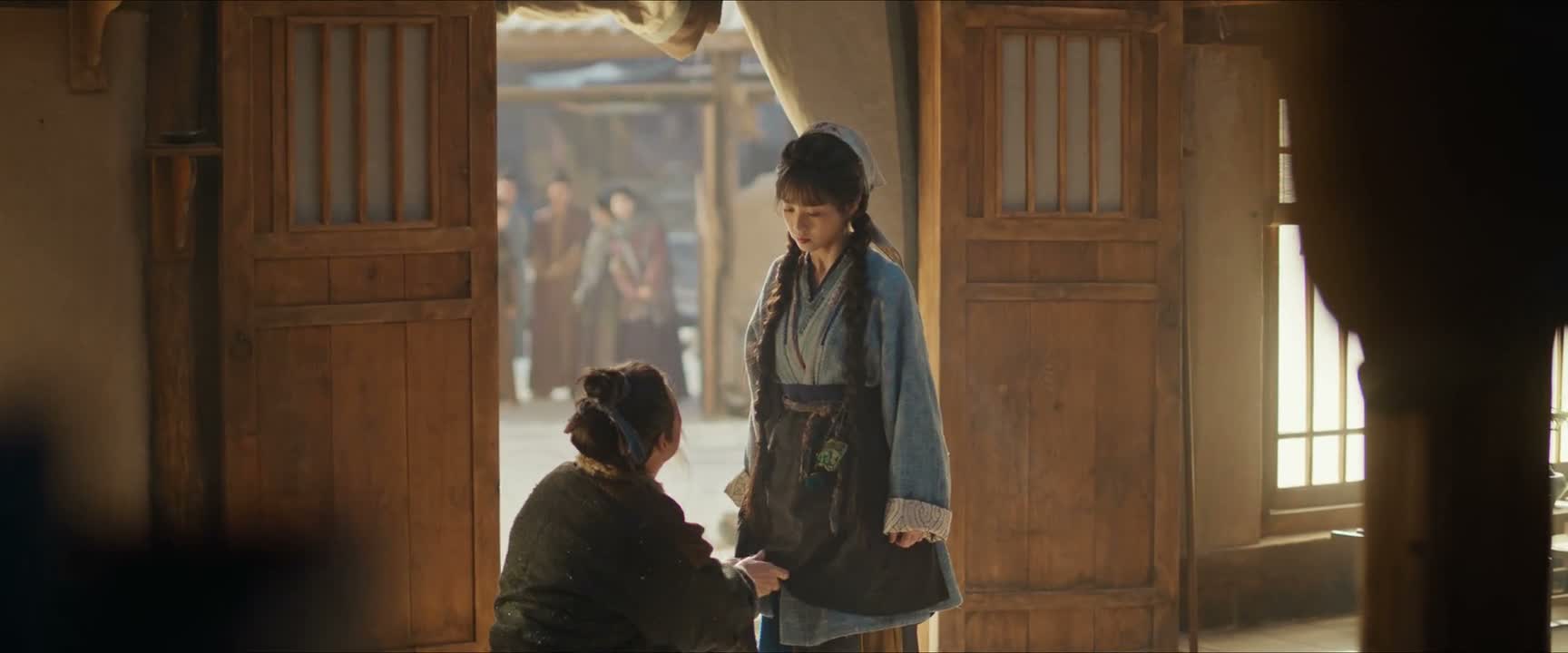
yào dǐ zhài zěn me bù ná nǐ zì jǐ de zhái ziSi necesitas pagar la deuda, ¿por qué no usas tu propia casa?


HSK 4
0:03s





HSK 1
0:03s

HSK 7
0:03s
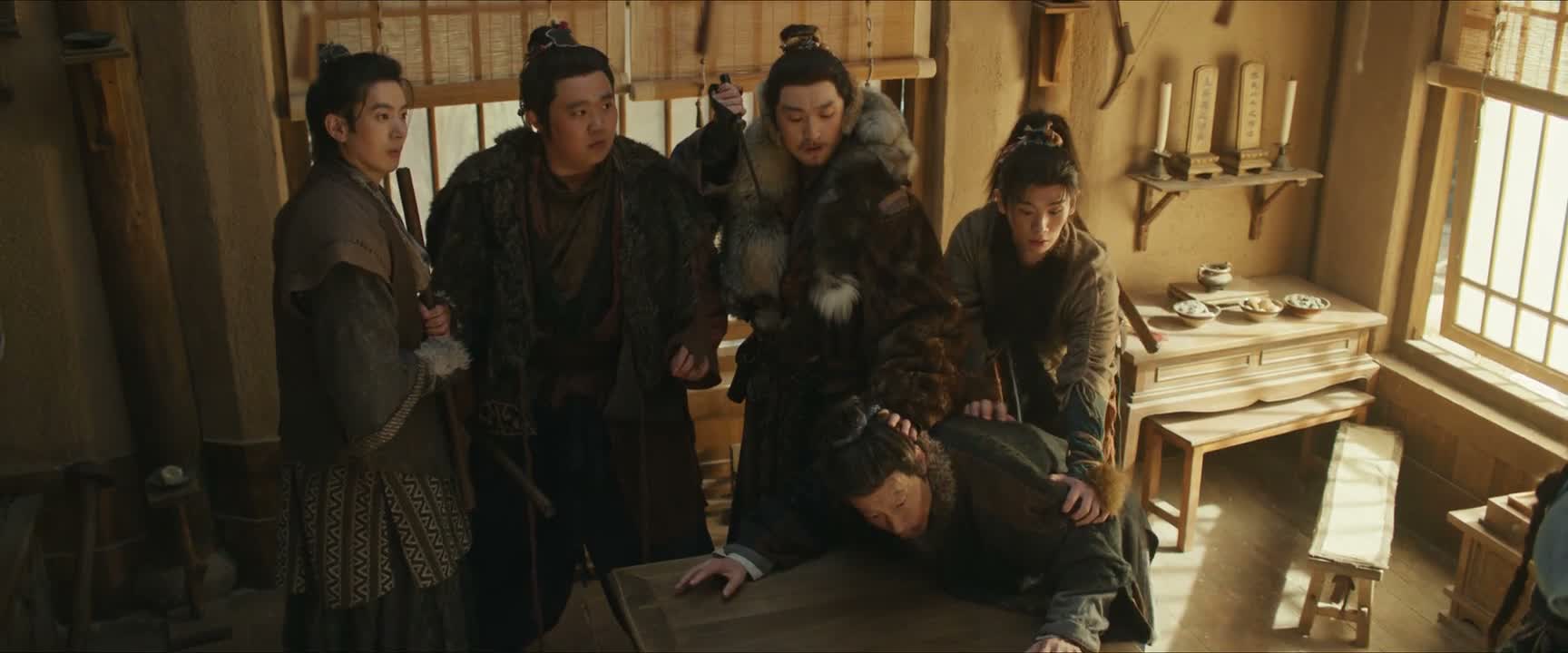
nǐ gè tuì le hūn de méi rén yào de yā tou piān ziEres una chica con compromiso roto que nadie quiere,




HSK 6
0:03s