Cómo usar "难怪要午时之后" (nán guài yào wǔ shí zhī hòu) en el diálogo chino
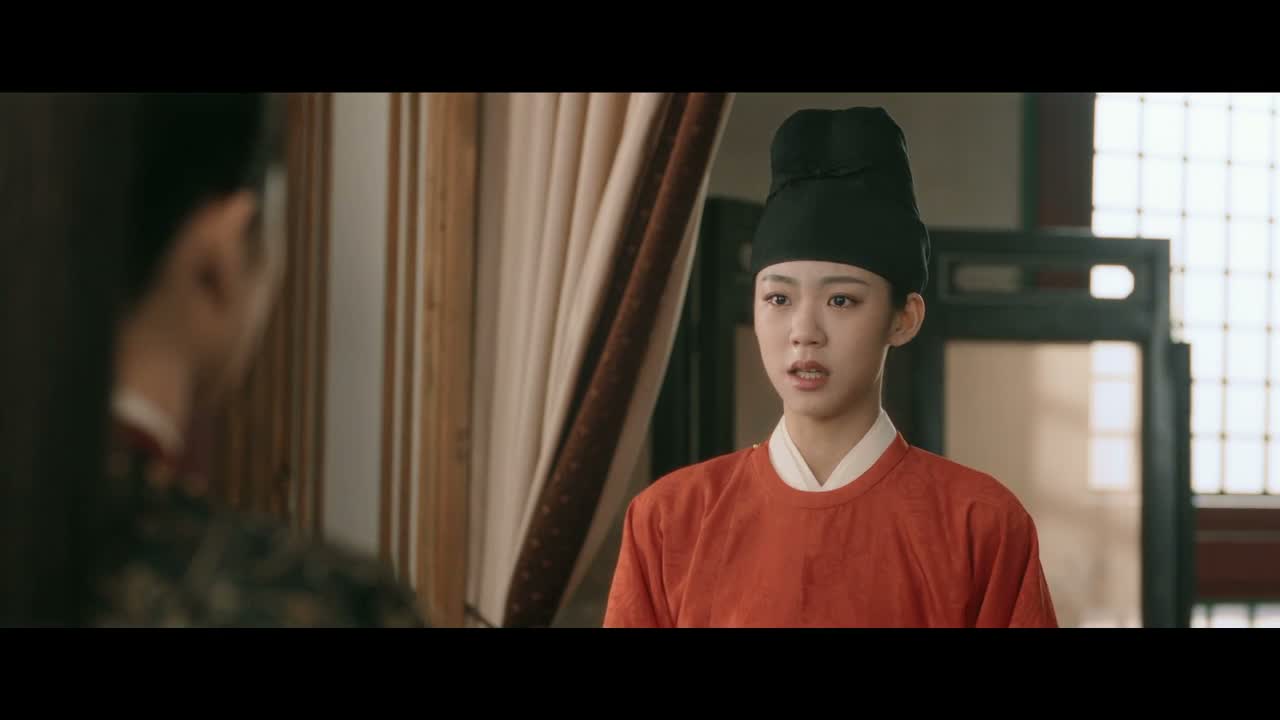
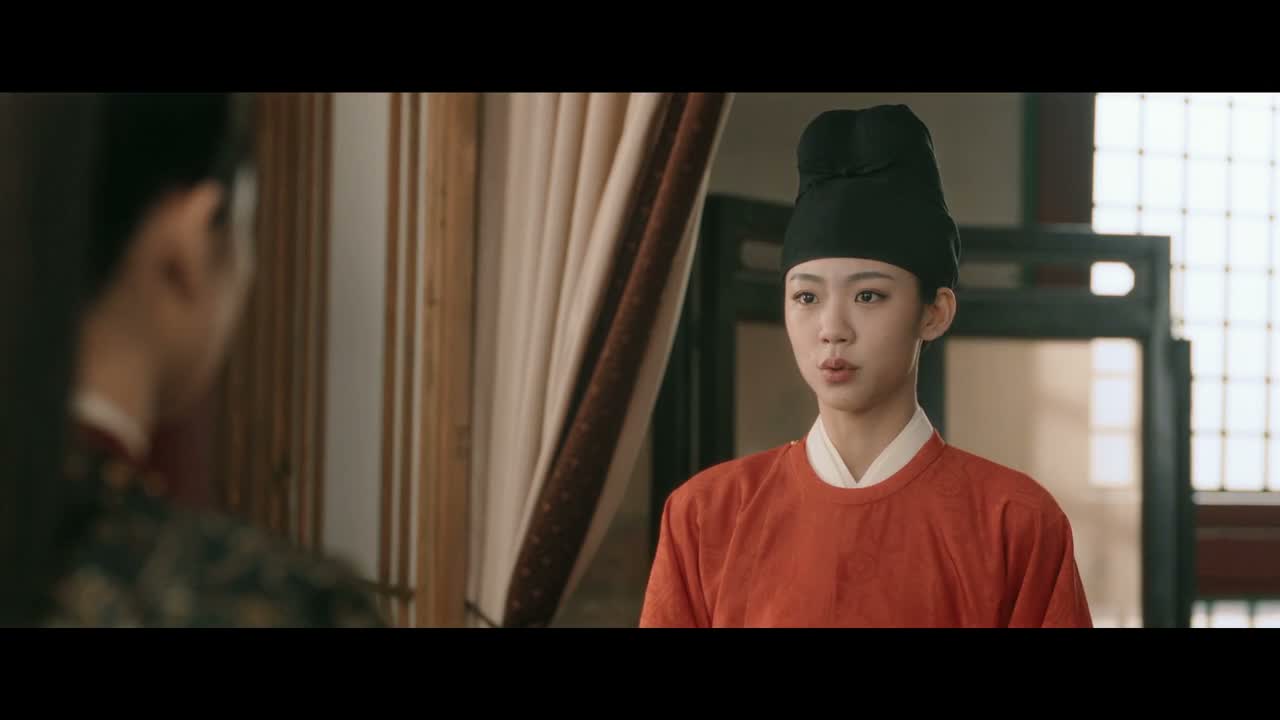
难怪要午时之后
Por eso dijiste que vendrías al mediodía.
Show Information
Source Media
TV Series
Season & Episode
S1 E11
Clip Timestamp
4:41
TMDB ID
278127
Conversation Context
| Line | Chinese | Pinyin | Translation |
|---|---|---|---|
| 1 | 去哪儿啊? 太史丞巳时末交班 找他去含凉殿捉鬼 | qù nǎ ér a ? tài shǐ chéng sì shí mò jiāo bān zhǎo tā qù hán liáng diàn zhuō guǐ | ¿A dónde vas? Xiao termina su turno a las 11:00 a. m. Voy a pedirle que atrape al fantasma. |
| 2▶ | 难怪要午时之后 | nán guài yào wǔ shí zhī hòu | Por eso dijiste que vendrías al mediodía. |
| 3 | 其实是县主想见太史丞了 | qí shí shì xiàn zhǔ xiǎng jiàn tài shǐ chéng le | Querías ver a Xiao. |
More Clips From Episode
Total 88 clips (Page 4 of 5)

HSK 5
0:03s
jīn rì zhè bān dà qì páng bó kuáng fàng zì yìPero hoy la tocaste con audacia y libertad.



HSK 7
0:03s

HSK 6
0:03s
bù jiù shì xiǎng ràng wǒ men fā xiàn tā huái yùn de shì ma ?para que descubriéramos que estaba embarazada.

HSK 7
0:03s
ān ān jìng jìng de yǒu dà bǎ de shí jiān kě yǐ zhuó mó qǔ ziDecía que así también estaba bien, que tenía tiempo para componer música.



HSK 5
0:03s

HSK 7
0:03s
qí shí nà tiān wǒ jiù chá jué chū lái tā yǒu xiē bú duìese día ya noté que algo andaba mal.

HSK 3
0:03s
dàn wǒ kàn tā duì shēng huó yòu rán qǐ le xī wàng wǒ wèi tā gāo xìngPero al verla recuperar las ganas de vivir, me alegré por ella



HSK 7
0:03s
nǚ zǐ gǔ xiāng yǔ nán zi bù tóng zhè shì wěi zhuāng bù liǎo deLos hombres y las mujeres tienen estructuras diferentes. No se puede falsificar.