Cómo usar "我也去 还有谁要去啊" (wǒ yě qù hái yǒu shuí yào qù a) en el diálogo chino
我也去 还有谁要去啊
¿También? ¿Quién más quiere ir?
Show Information
Source Media
TV Series
Season & Episode
S1 E21
Clip Timestamp
21:00
TMDB ID
239901
Conversation Context
| Line | Chinese | Pinyin | Translation |
|---|---|---|---|
| 1 | 你也想去 | nǐ yě xiǎng qù | ¿Tú también quieres ir? |
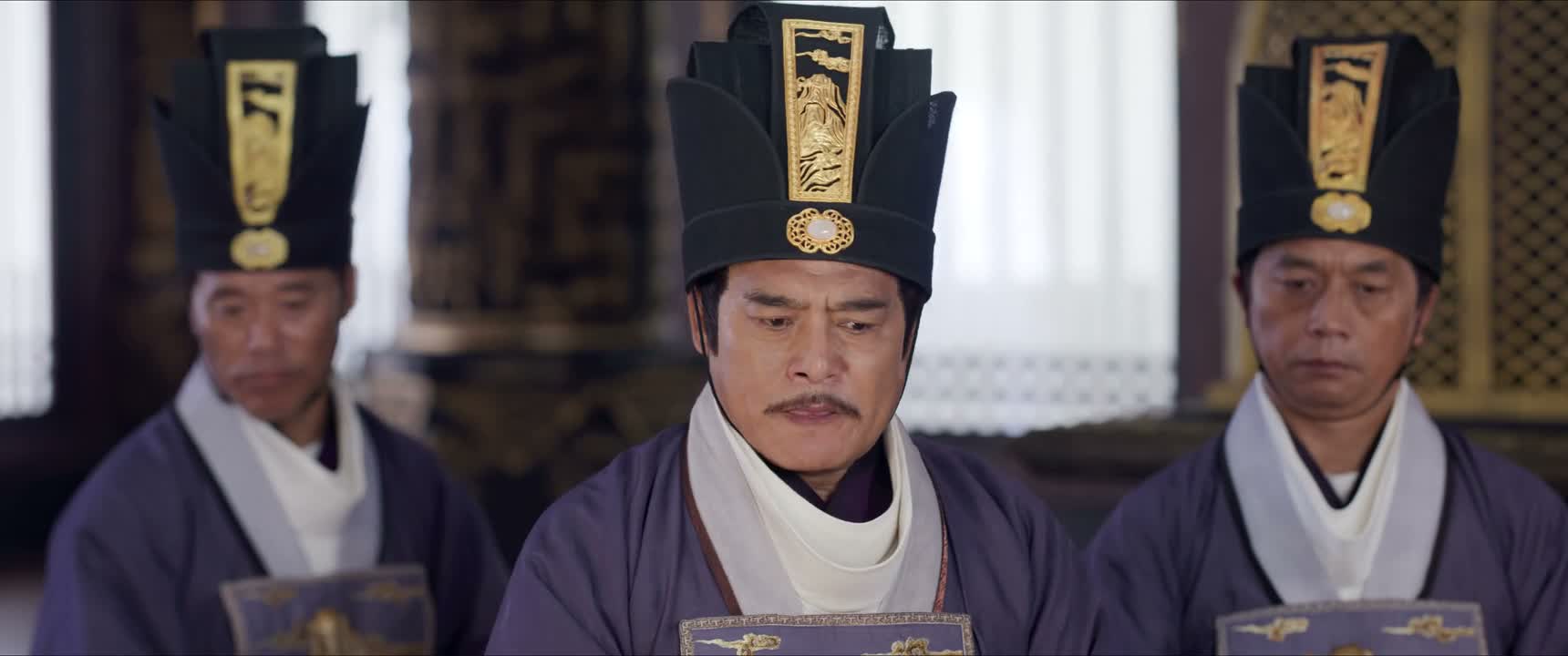
| 2▶ | 我也去 还有谁要去啊 | wǒ yě qù hái yǒu shuí yào qù a | ¿También? ¿Quién más quiere ir? |
| 3 | 游行结束之后 田兴已经请命前往了 | yóu xíng jié shù zhī hòu tián xīng yǐ jīng qǐng mìng qián wǎng le | Después del desfile, Tian Xing ya pidió autorización para ir. |
More Clips From Episode
Total 61 clips (Page 1 of 4)
HSK 5
0:03s




HSK 7
0:03s
nǐ jū rán yī wú suǒ zhī yǒu diǎn shuō bù guò qù baque no sabías nada de un asunto tan grave? Eso no suena convincente.

HSK 6
0:03s
shī zhí zhī zuì shuō dé qīng qiǎola responsabilidad por mi negligencia. Lo dices como si fuera poca cosa.

HSK 1
0:03s

HSK 3
0:03s
yí dìng shì lǔ dà rén tā tān zāng wǎng fǎ chéng zhǔEl Sr. Lu tiene que ser el culpable de aceptar sobornos y violar la ley. Soberano.



HSK 4
0:03s
wǒ tiān dōu méi liàng jiù zài zhè lǐ pái duì leVine a hacer fila antes de que amaneciera

HSK 7
0:03s
jiù shì wèi le kàn yī kàn qián sān de fēng cǎi zhān zhān xǐ qì zhèsolo para ver a los tres primeros y llevarme un poco de su buena suerte. Y ahora...

HSK 7
0:03s
cǐ kè shì bú shì jué de fù zhōng huǒ shāo huǒ liǎo a¿ahora siente que le arde el estómago?

HSK 5
0:03s
cài dà rén nǐ shì rú hé jì de zhè me qīng chǔ deSr. Cai, ¿cómo es que lo recuerdas con tanta claridad?




HSK 7
0:03s
chéng zhǔ nǐ ráo le wǒ ba chéng zhǔ chéng zhǔ chéng zhǔ ráo le wǒ zǒuSoberano, perdóneme. - Soberano, soberano, soberano, perdóneme. - Camina.