Cómo usar "我也去 还有谁要去啊" (wǒ yě qù hái yǒu shuí yào qù a) en el diálogo chino
我也去 还有谁要去啊
wǒ yě qù hái yǒu shuí yào qù a
¿También? ¿Quién más quiere ir?
Show Information
Source Media
TV Series
Season & Episode
S1 E21
Clip Timestamp
21:00
TMDB ID
239901
Conversation Context
| Line | Chinese | Pinyin | Translation |
|---|---|---|---|
| 1 | 你也想去 | nǐ yě xiǎng qù | ¿Tú también quieres ir? |
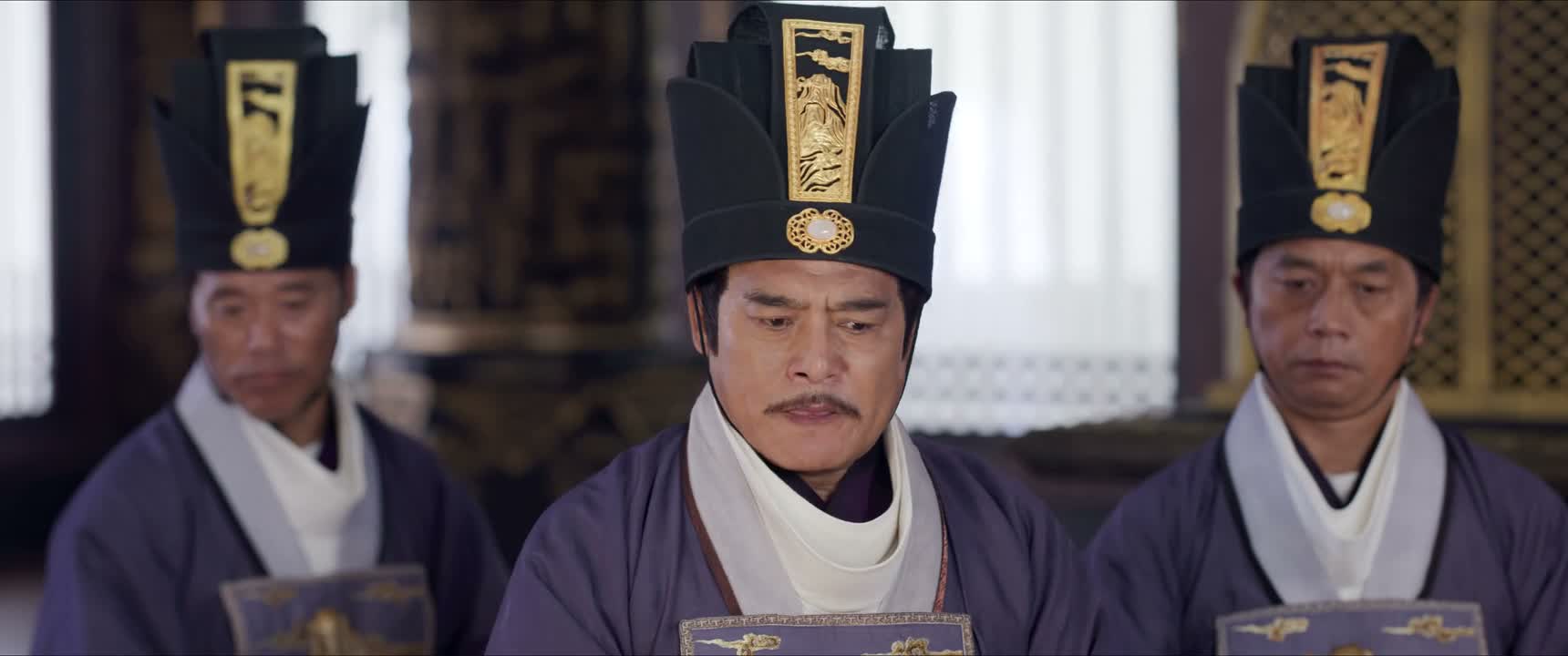
| 2▶ | 我也去 还有谁要去啊 | wǒ yě qù hái yǒu shuí yào qù a | ¿También? ¿Quién más quiere ir? |
| 3 | 游行结束之后 田兴已经请命前往了 | yóu xíng jié shù zhī hòu tián xīng yǐ jīng qǐng mìng qián wǎng le | Después del desfile, Tian Xing ya pidió autorización para ir. |
More Clips From Episode
Total 61 clips (Page 1 of 4)
HSK 5
0:03s




HSK 7
0:03s
nǐ jū rán yī wú suǒ zhī yǒu diǎn shuō bù guò qù baque no sabías nada de un asunto tan grave? Eso no suena convincente.

HSK 6
0:03s
shī zhí zhī zuì shuō dé qīng qiǎola responsabilidad por mi negligencia. Lo dices como si fuera poca cosa.

HSK 1
0:03s

HSK 3
0:03s
yí dìng shì lǔ dà rén tā tān zāng wǎng fǎ chéng zhǔEl Sr. Lu tiene que ser el culpable de aceptar sobornos y violar la ley. Soberano.



HSK 4
0:03s
wǒ tiān dōu méi liàng jiù zài zhè lǐ pái duì leVine a hacer fila antes de que amaneciera

HSK 7
0:03s
jiù shì wèi le kàn yī kàn qián sān de fēng cǎi zhān zhān xǐ qì zhèsolo para ver a los tres primeros y llevarme un poco de su buena suerte. Y ahora...

HSK 7
0:03s
cǐ kè shì bú shì jué de fù zhōng huǒ shāo huǒ liǎo a¿ahora siente que le arde el estómago?

HSK 5
0:03s
cài dà rén nǐ shì rú hé jì de zhè me qīng chǔ deSr. Cai, ¿cómo es que lo recuerdas con tanta claridad?




HSK 7
0:03s
chéng zhǔ nǐ ráo le wǒ ba chéng zhǔ chéng zhǔ chéng zhǔ ráo le wǒ zǒuSoberano, perdóneme. - Soberano, soberano, soberano, perdóneme. - Camina.