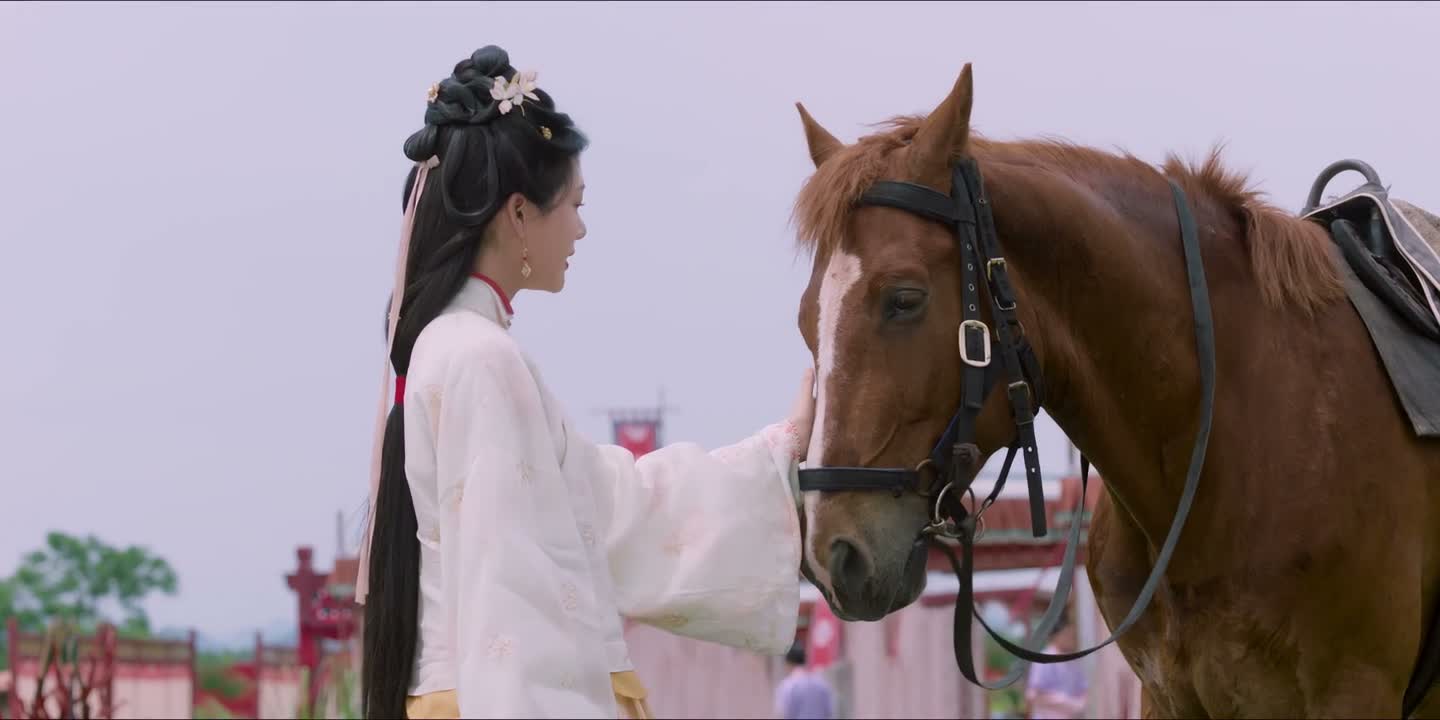
Cómo usar "跟我走 我不走" (gēn wǒ zǒu wǒ bù zǒu) en el diálogo chino
跟我走 我不走
Ven conmigo. No me voy.
Show Information
Source Media
TV Series
Season & Episode
S1 E19
Clip Timestamp
16:13
TMDB ID
283952
Conversation Context
| Line | Chinese | Pinyin | Translation |
|---|---|---|---|
| 1 | 你不用知道 知道了对你也没有好处 | nǐ bù yòng zhī dào zhī dào le duì nǐ yě méi yǒu hǎo chù | No necesitas saberlo. Saberlo tampoco te conviene. |
| 2▶ | 跟我走 我不走 | gēn wǒ zǒu wǒ bù zǒu | Ven conmigo. No me voy. |
| 3 | 干吗藏着掖着的 | gàn má cáng zhe yē zhe de | ¿Por qué tanto secreto? |
More Clips From Episode
Total 214 clips (Page 9 of 11)


HSK 7
0:03s

HSK 5
0:03s
wàn yī zài shuāi zhe nà jiù zhòng mù kuí kuí zhī xià diū chǒuSi te caes, vas a quedar en ridículo frente a todos.


HSK 6
0:03s

HSK 6
0:03s
yào shì zài bǎi chū yī fù hú mèi yàng zi wǒ kě bù guàn zhe nǐ leSi vuelves a actuar con ese aire seductor, no te lo voy a tolerar.

HSK 4
0:03s
wǒ shén me hú mèi yàng zi wǒ huà dōu méi gēn wén xiù gē gē shuō liǎng jù¿Qué aire seductor? Yo ni siquiera he hablado dos palabras con Wenxiu.


HSK 6
0:03s
míng míng shì tā bǎi chū yī fù chǔ chǔ kě rén de yàng zi gōu dā nǐ neEs obvio que ella pone esa cara tan inocente para seducirte.
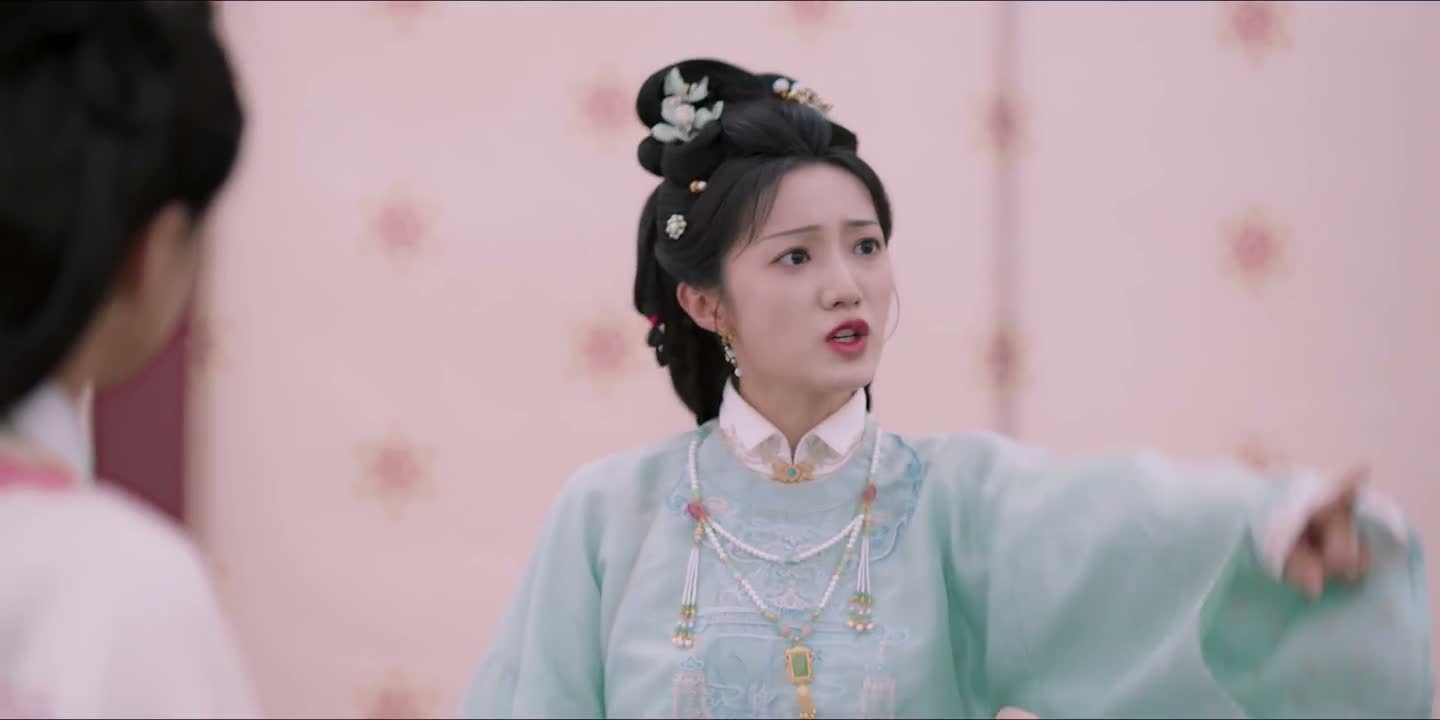
HSK 6
0:03s
míng míng jiù shì tā hǎo hǎo hǎo bié chǎo bié chǎoEs obvio que él... Está bien, está bien. No peleen.

HSK 7
0:03s
zhè ruò zài wǎng nián nà nǎ yǒu zhè me duō yín ziSi esto fuera en años anteriores, ¿de dónde habría salido tanto dinero



HSK 3
0:03s
shì zài xià yǒu shī piān pǒ le gǎi kǒu hái tǐng kuàiFui parcial. Cambiaste de opinión muy rápido.