Cómo usar "出了这么大的事 肯定是要忙的" (chū le zhè me dà de shì kěn dìng shì yào máng de) en el diálogo chino
出了这么大的事 肯定是要忙的
Con algo tan grave, debe de haber estado ocupado.
Show Information
Source Media
TV Series
Season & Episode
S1 E30
Clip Timestamp
21:31
TMDB ID
292696
Conversation Context
| Line | Chinese | Pinyin | Translation |
|---|---|---|---|
| 1 | 还没呢 不是说穆阳侯在狱中自尽了吗 | hái méi ne bú shì shuō mù yáng hóu zài yù zhōng zì jìn le ma | Todavía no. ¿No dijeron que el marqués Muyang se suicidó en prisión? |
| 2▶ | 出了这么大的事 肯定是要忙的 | chū le zhè me dà de shì kěn dìng shì yào máng de | Con algo tan grave, debe de haber estado ocupado. |
| 3 | 平时再忙的时候 | píng shí zài máng de shí hòu | Aun cuando antes estaba ocupado, |
More Clips From Episode
Total 110 clips (Page 1 of 6)
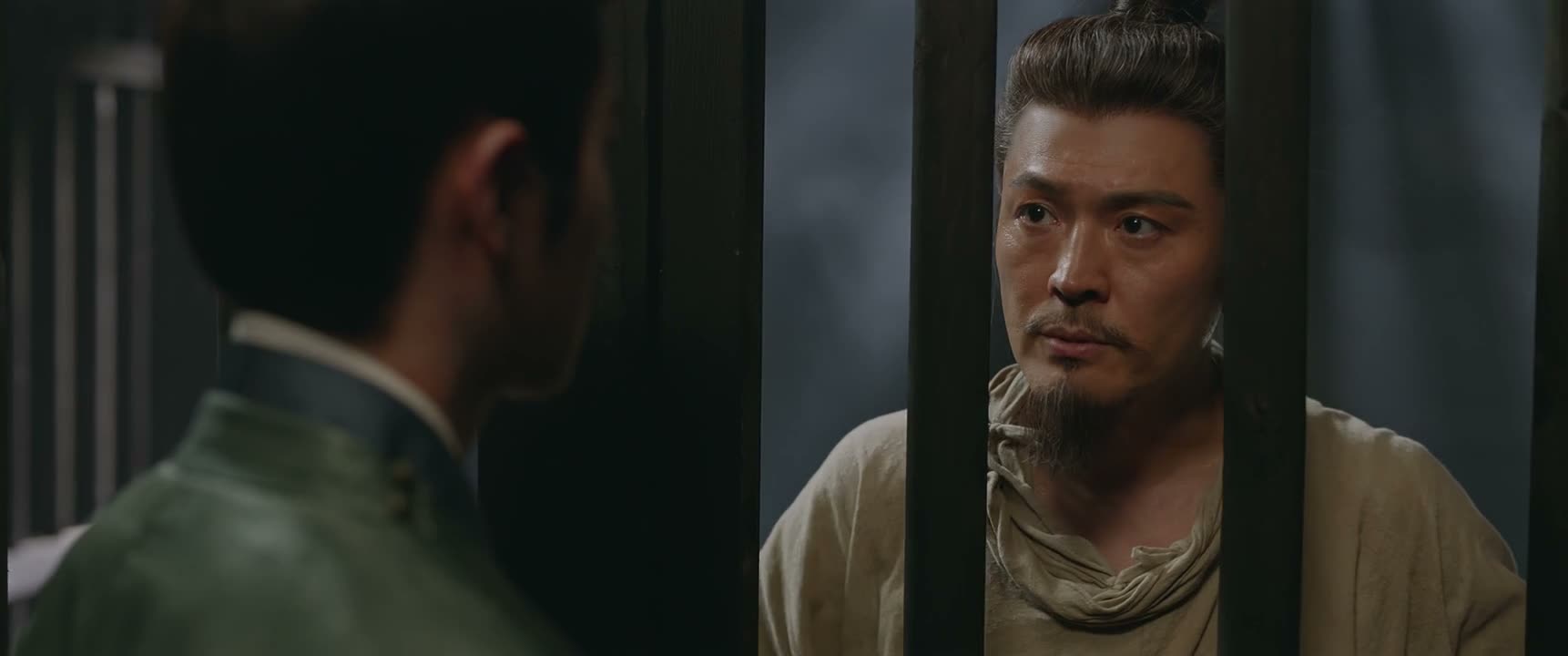
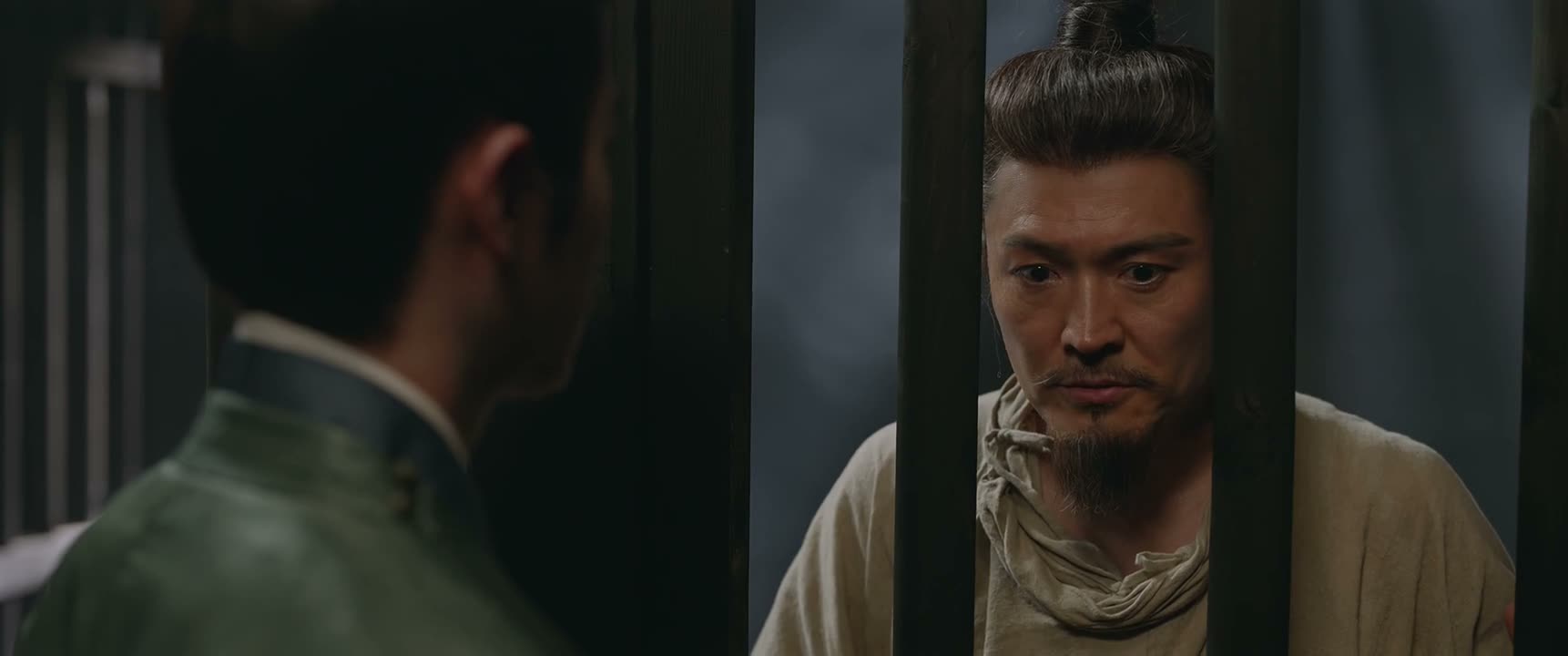



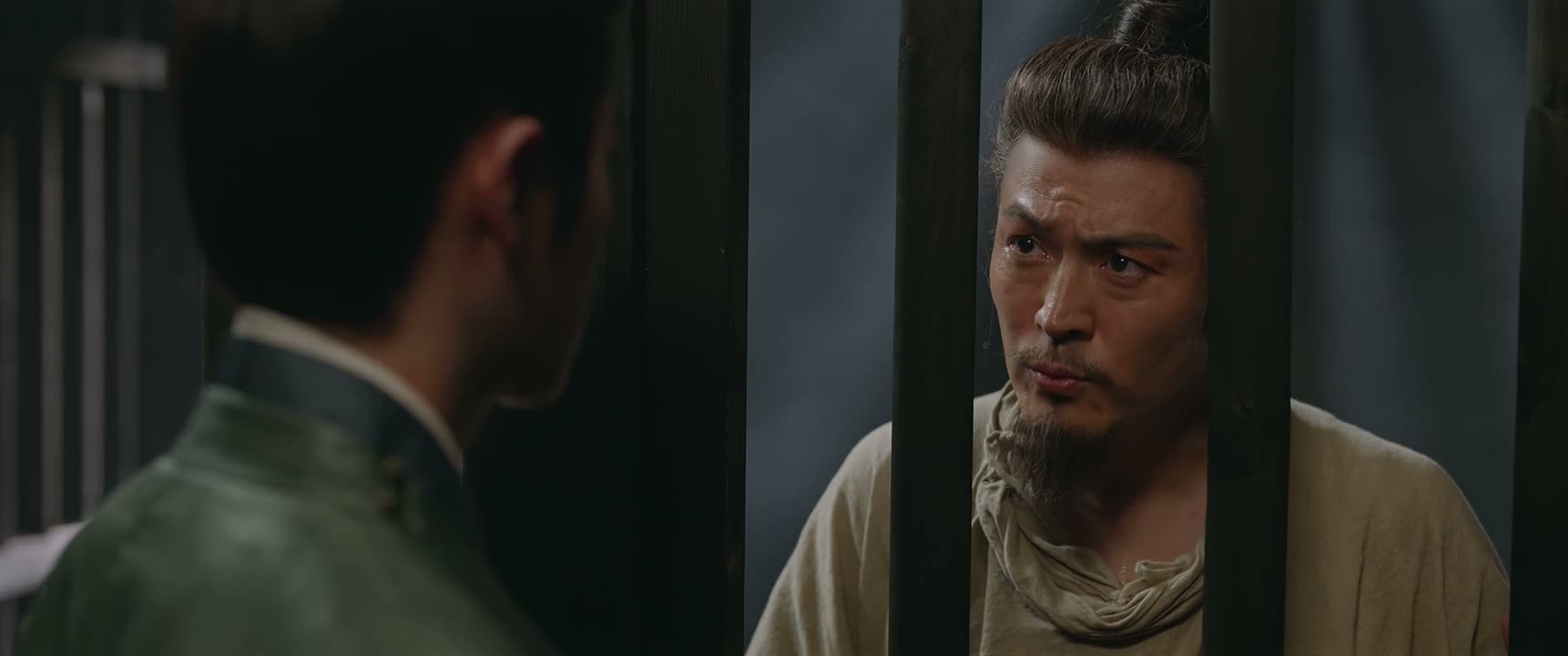
HSK 7
0:03s
yīn wú zhào rù jīng bèi pàn móu nì dà zuìpor traición, por entrar en la capital sin un edicto.



HSK 7
0:03s
kàn zhe hēi yún qí fēn bēng lí xī sǐ shāng cǎn zhòngy cómo la Caballería Heiyun se derrumbaba y sufría numerosas bajas.

HSK 5
0:03s






HSK 1
0:03s
wǒ men hái méi yǒu dào shān qióng shuǐ jìn de shí hòu neAún no hemos llegado al final del camino.
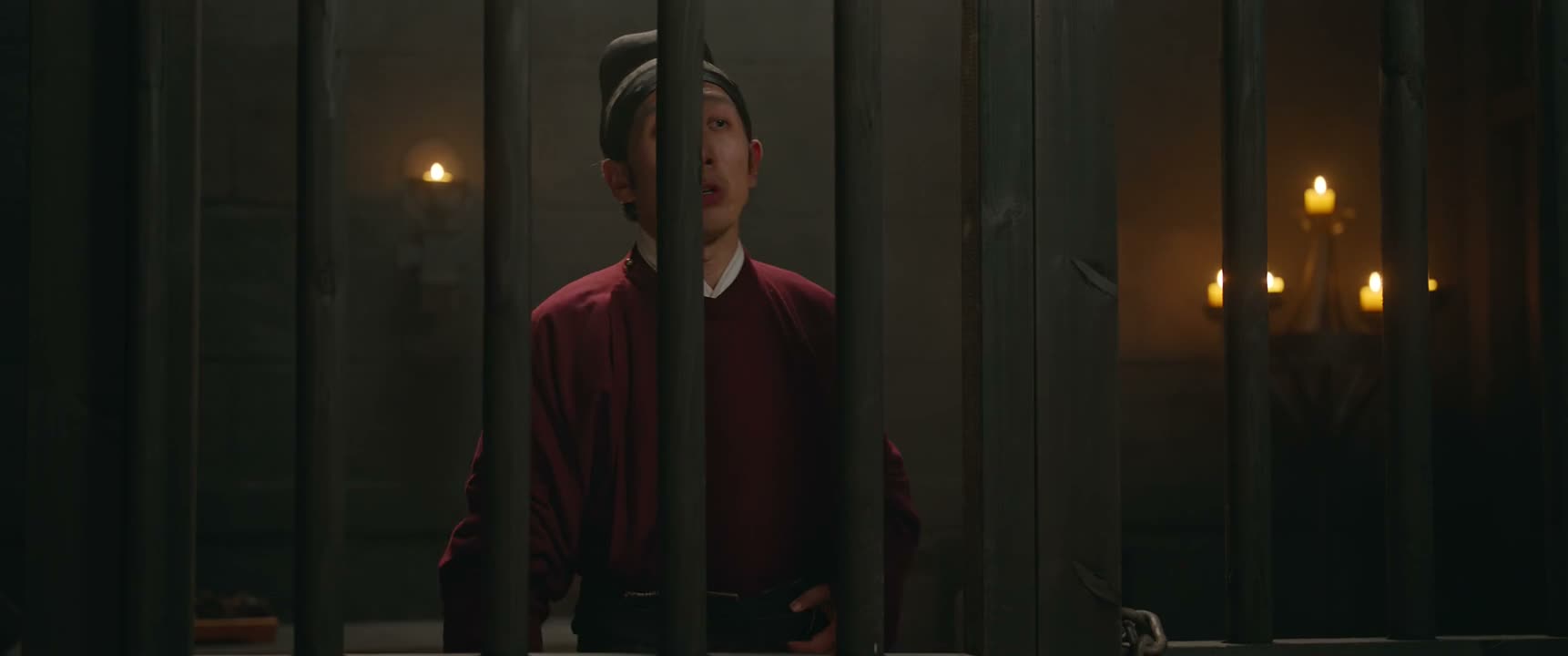


HSK 6
0:03s
bù rì jiāng dà bái yú tiān xiày la injusticia del difunto príncipe Ding pronto será revelada al mundo.