Cómo usar "说大声点 我听不见" (shuō dà shēng diǎn wǒ tīng bú jiàn) en el diálogo chino
说大声点 我听不见
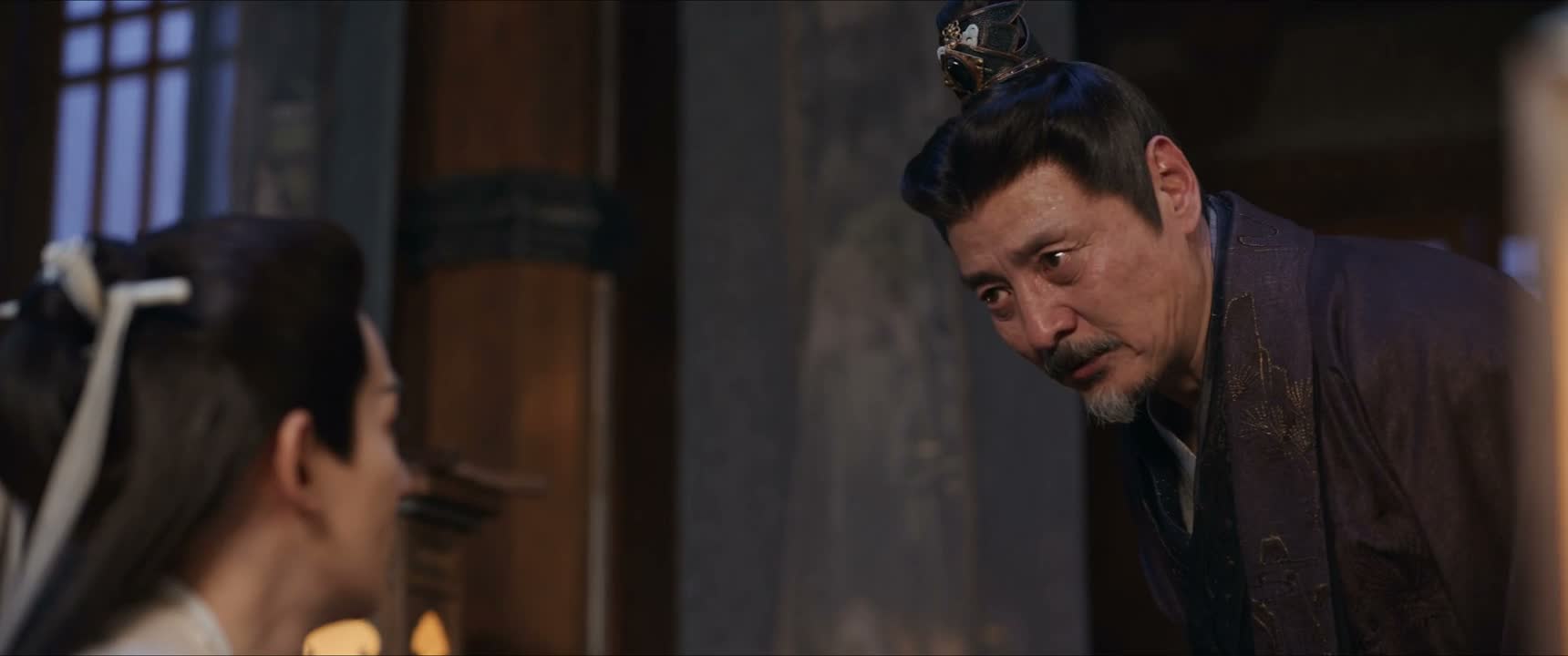
Más fuerte. No te oí.
Show Information
Source Media
TV Series
Season & Episode
S1 E30
Clip Timestamp
6:39
TMDB ID
239901
Conversation Context
| Line | Chinese | Pinyin | Translation |
|---|---|---|---|
| 1 | 祖父 军营那边清点过了 确实少了三支箭 | zǔ fù jūn yíng nà biān qīng diǎn guò le què shí shǎo le sān zhī jiàn | Abuelo, ya hicieron el recuento en el campamento militar. Efectivamente, faltan tres flechas. |
| 2▶ | 说大声点 我听不见 | shuō dà shēng diǎn wǒ tīng bú jiàn | Más fuerte. No te oí. |
| 3 | 确实少了三支箭 | què shí shǎo le sān zhī jiàn | Efectivamente, faltan tres flechas. |
More Clips From Episode
Total 47 clips (Page 3 of 3)
HSK 7
0:03s
kěn dìng yǒu fēi zuò bù kě de lǐ yóu nǐ zěn me jiù bù yuàn yì bāng wǒ nees porque tengo una razón de peso. ¿Por qué no quieres ayudarme?

HSK 7
0:03s
huì yǒu yī wèi mǎn nǎo zi hú sī luàn xiǎng de chéng zhǔ dāng zhènggobernaría un soberano lleno de ideas disparatadas.




HSK 4
0:03s
dàn rú guǒ shì yóu nǐ lái dāng nà jiù lìng dāng bié lùn lePero si eres tú, eso cambia las cosas.