Cómo usar "还是个跛子" (hái shì gè bǒ zi) en el diálogo chino
还是个跛子
y además cojo?
Show Information
Source Media
TV Series
Season & Episode
S1 E4
Clip Timestamp
35:49
TMDB ID
279388
Conversation Context
| Line | Chinese | Pinyin | Translation |
|---|---|---|---|
| 1 | 你是说那赘婿很丑 | nǐ shì shuō nà zhuì xù hěn chǒu | ¿Dices que ese marido matrilocal es muy feo |
| 2▶ | 还是个跛子 | hái shì gè bǒ zi | y además cojo? |
| 3 | 这不丑不跛呀 | zhè bù chǒu bù bǒ ya | Pues si no fuera feo ni cojo, |
More Clips From Episode
Total 229 clips (Page 2 of 12)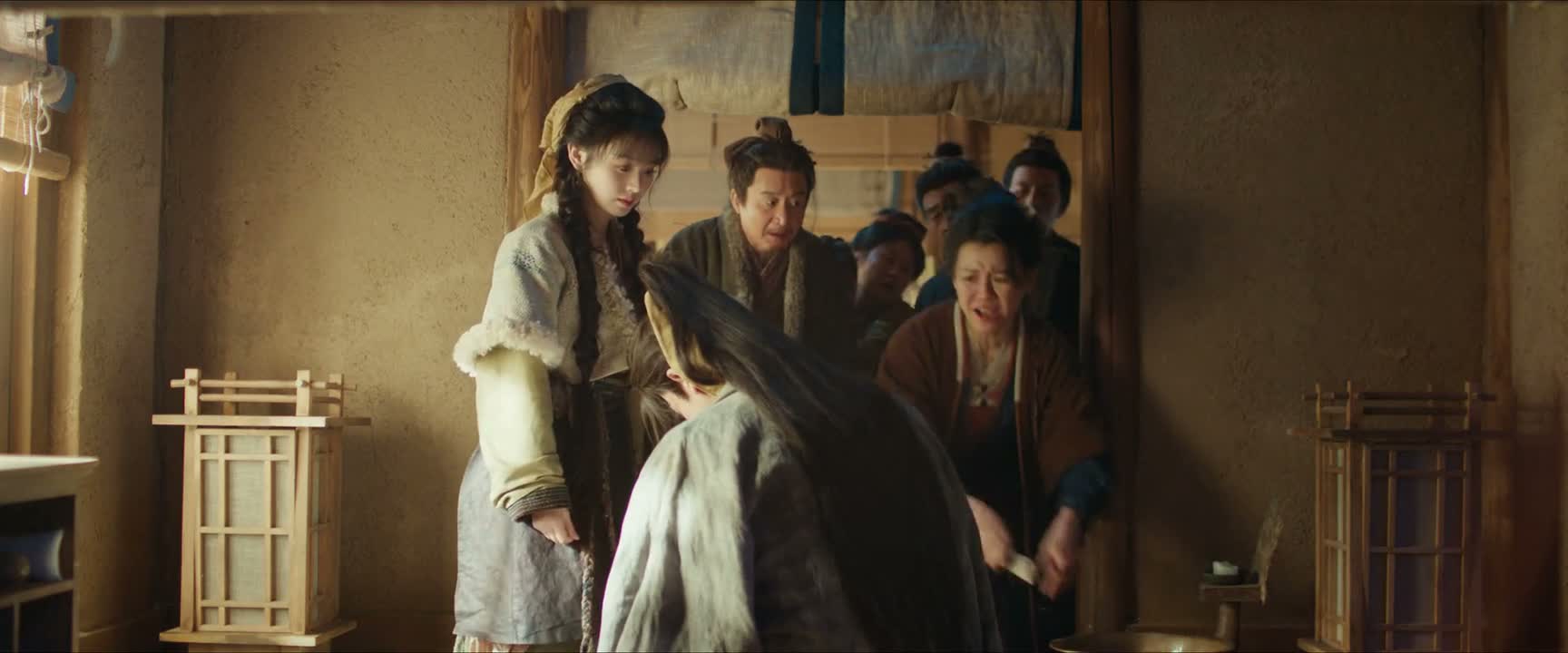
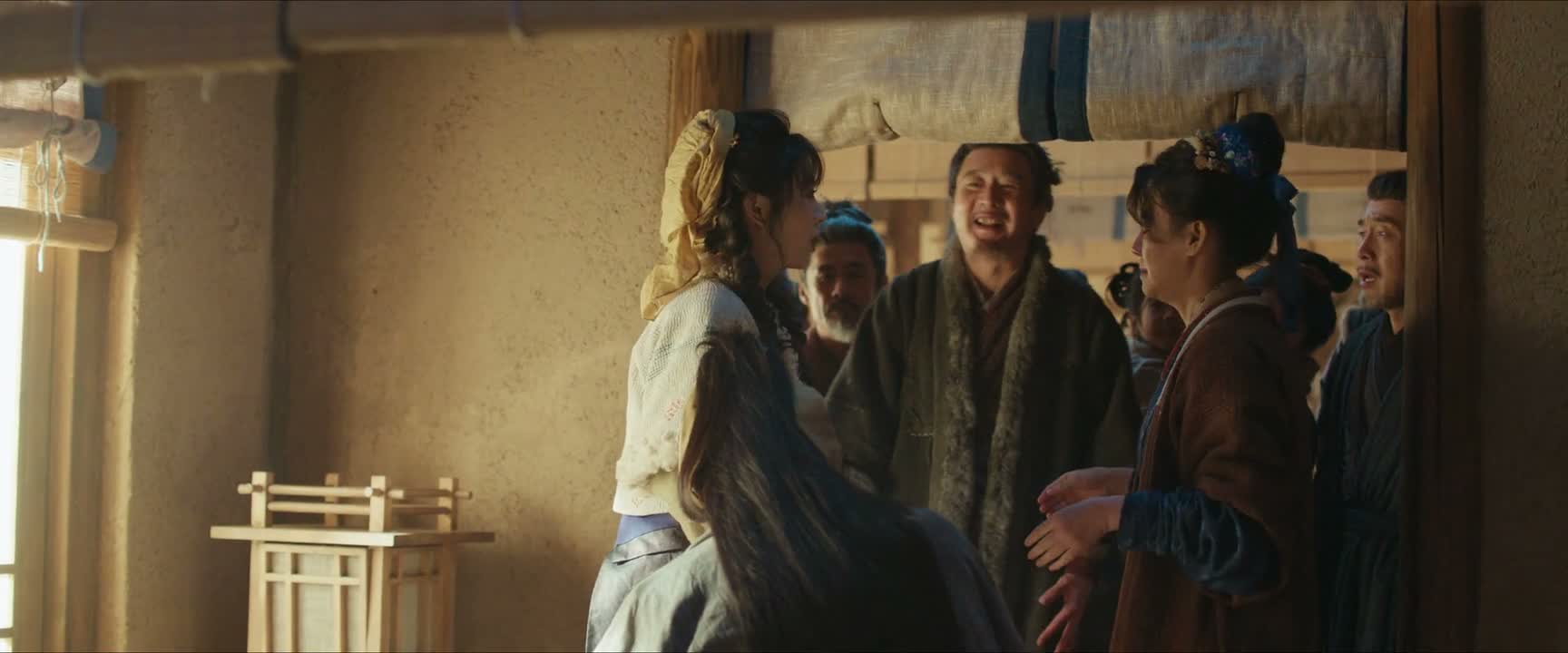

HSK 1
0:03s
nà wǒ zuò jǐ gè cài kào láo yī xià dà jiā huoEntonces prepararé unos platillos para todos.


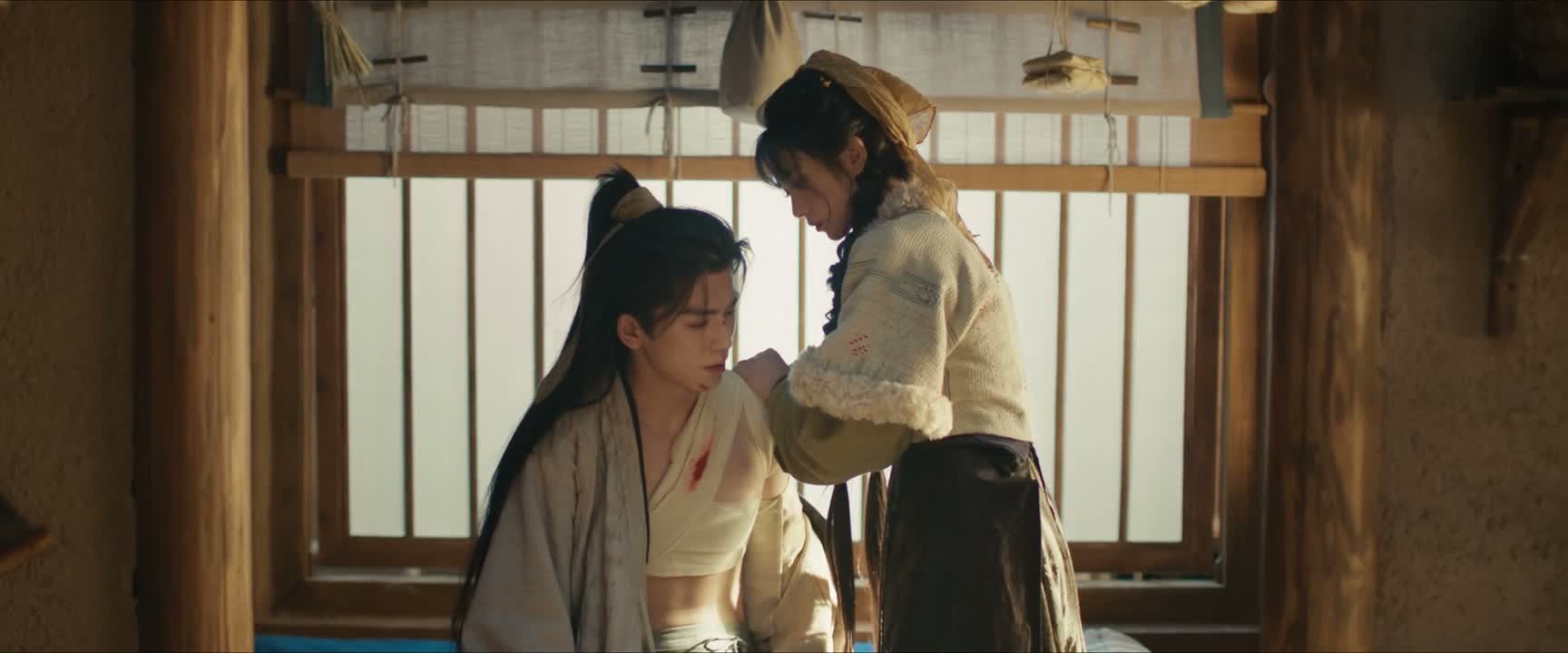
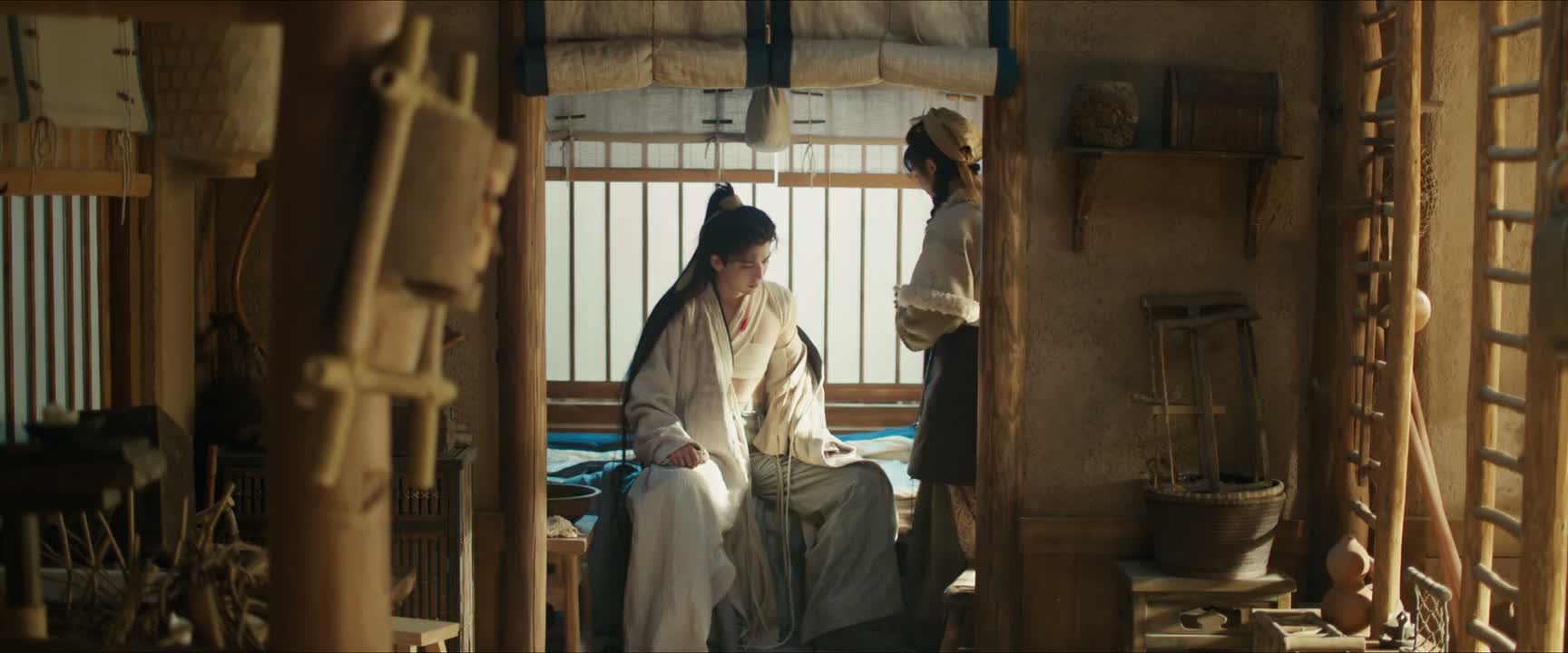
HSK 7
0:03s





HSK 7
0:03s