Cómo usar "还是个跛子" (hái shì gè bǒ zi) en el diálogo chino
还是个跛子
y además cojo?
Show Information
Source Media
TV Series
Season & Episode
S1 E4
Clip Timestamp
35:49
TMDB ID
279388
Conversation Context
| Line | Chinese | Pinyin | Translation |
|---|---|---|---|
| 1 | 你是说那赘婿很丑 | nǐ shì shuō nà zhuì xù hěn chǒu | ¿Dices que ese marido matrilocal es muy feo |
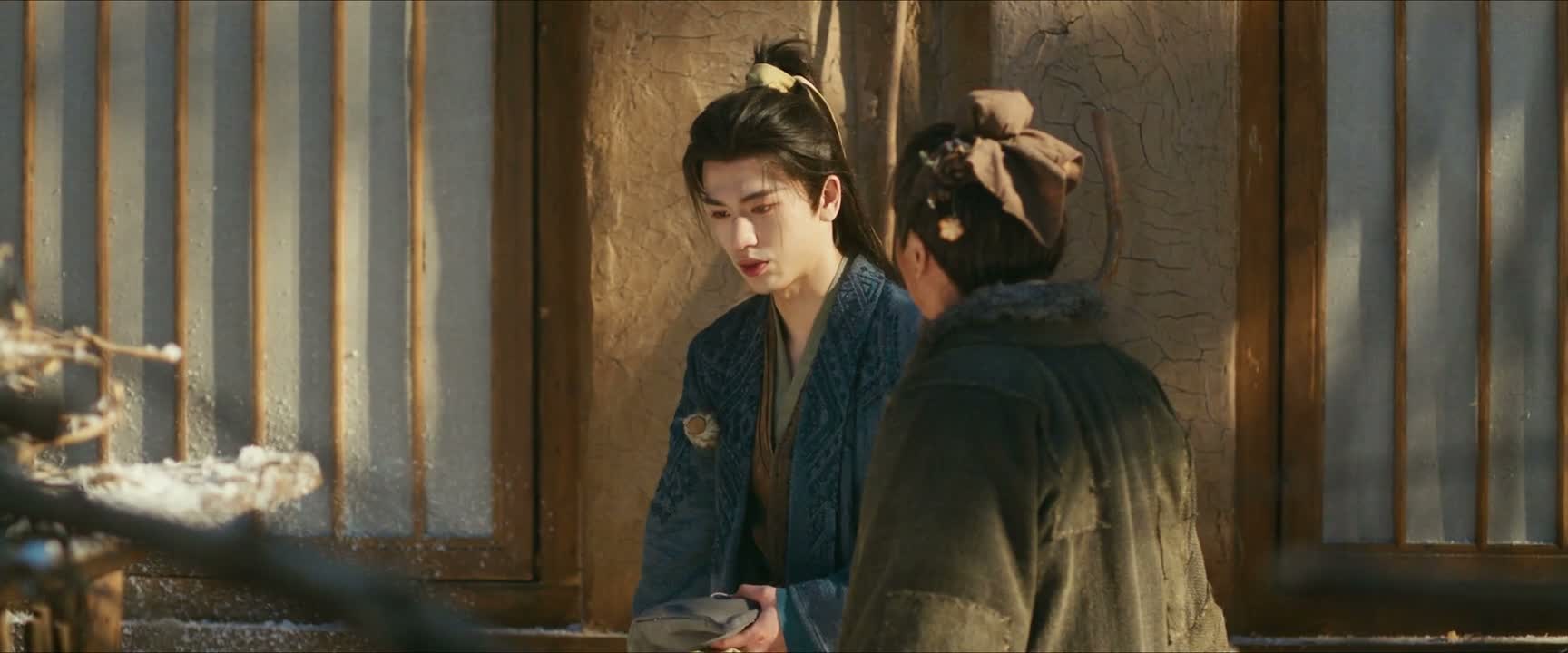
| 2▶ | 还是个跛子 | hái shì gè bǒ zi | y además cojo? |
| 3 | 这不丑不跛呀 | zhè bù chǒu bù bǒ ya | Pues si no fuera feo ni cojo, |
More Clips From Episode
Total 229 clips (Page 8 of 12)



HSK 5
0:03s





HSK 1
0:03s
shì dòng fáng nà tiān nǐ chuān shàng gěi tā kànTú te lo pones y se lo muestras la noche de bodas.

HSK 5
0:03s
zhǔ dòu rán dòu qí bù yīng gāi cáng zài chuáng pù xià- Las habas sobre un fuego de tallos, - No debería haberlo escondido debajo de la cama.

HSK 6
0:03s
zuó tiān nǐ bú shì shuō ràng wǒ lái shì xǐ fú de ma¿Ayer no me dijiste que viniera a probarme el traje de bodas?