Cómo usar "同是一个爹" (tóng shì yí gè diē) en el diálogo chino
同是一个爹
Tenemos el mismo padre,
Show Information
Source Media
TV Series
Season & Episode
S1 E4
Clip Timestamp
17:59
TMDB ID
279388
Conversation Context
| Line | Chinese | Pinyin | Translation |
|---|---|---|---|
| 1 | 锅里喊 | guō lǐ hǎn | gritan en la olla. |
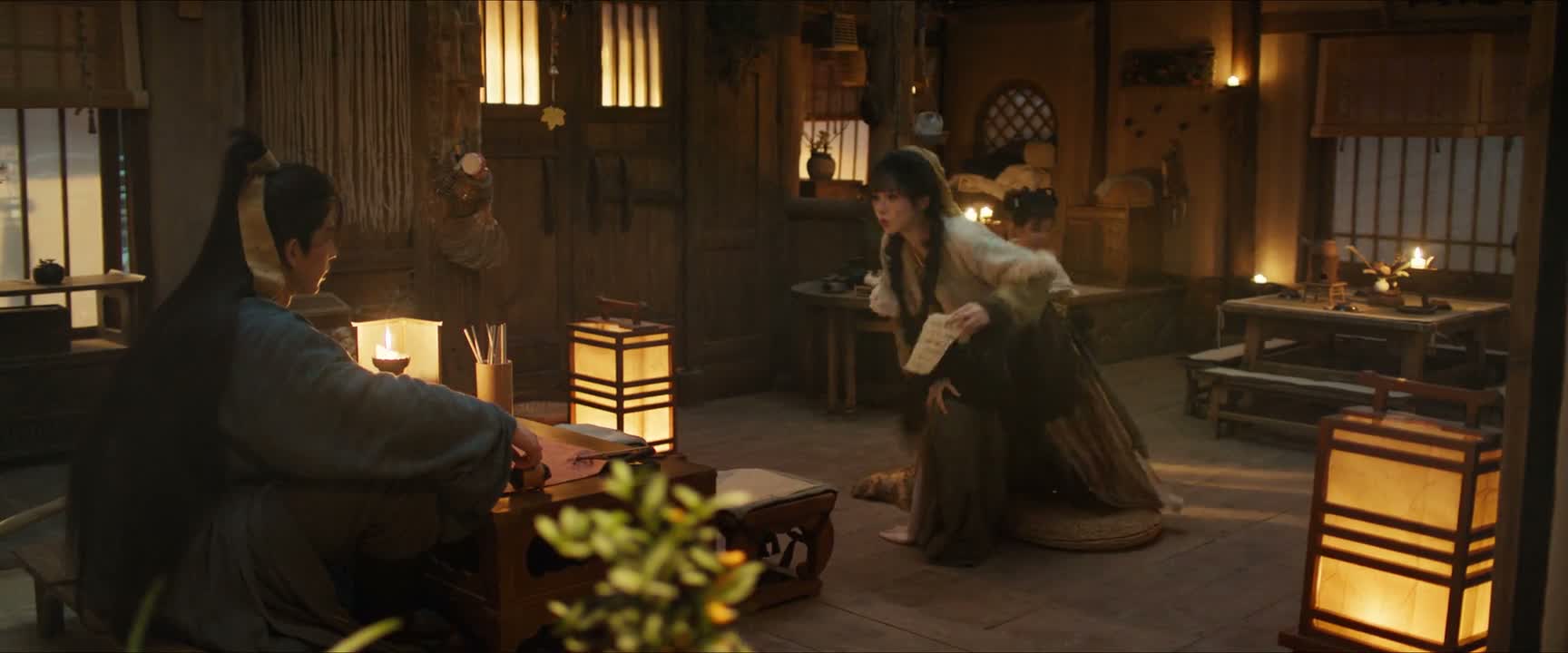
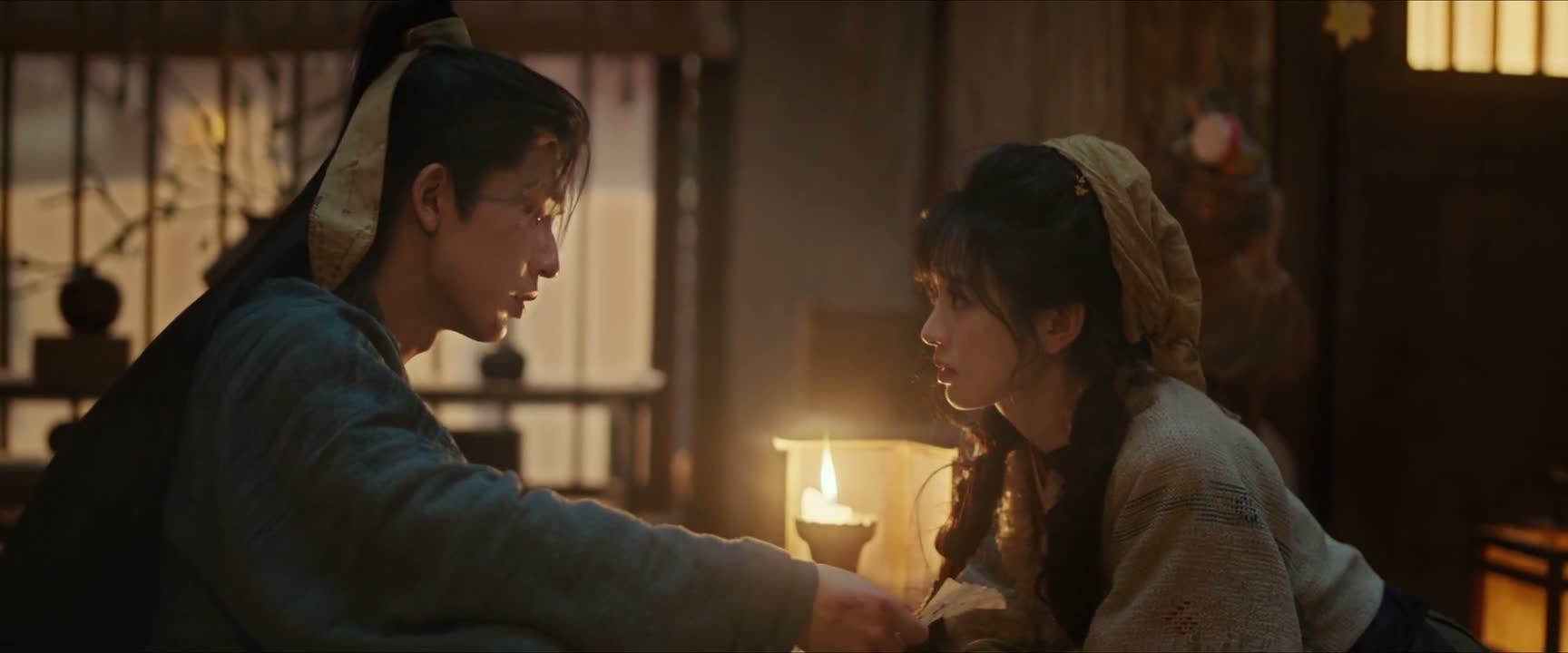
| 2▶ | 同是一个爹 | tóng shì yí gè diē | Tenemos el mismo padre, |
| 3 | 为啥先杀俺 | wèi shá xiān shā ǎn | ¿por qué me matan primero? |
More Clips From Episode
Total 229 clips (Page 4 of 12)

HSK 7
0:03s




HSK 7
0:03s

HSK 6
0:03s

HSK 7
0:03s
zhè cuī xiàn lìng bì jìng yě shì liǎng bǎng jìn shì chū shēnEl magistrado Cui, después de todo, es un erudito que aprobó los dos exámenes imperiales.

HSK 7
0:03s
yì si shì zhǔ dòu zi yào yòng dòu jiē shāoDice que para cocinar habas se queman sus propios tallos

HSK 7
0:03s
lái xíng róng tóng fù xiōng dì zhī jiān de shēng sǐ zhī zhēngy es una metáfora de la lucha mortal entre hermanos del mismo padre.
HSK 7
0:03s
tóng gēn yīng gāi shì yí gè diē de yì si"Misma raíz" debe significar que tienen el mismo padre.