Cómo usar "本侯有要务在身" (běn hóu yǒu yào wù zài shēn) en el diálogo chino
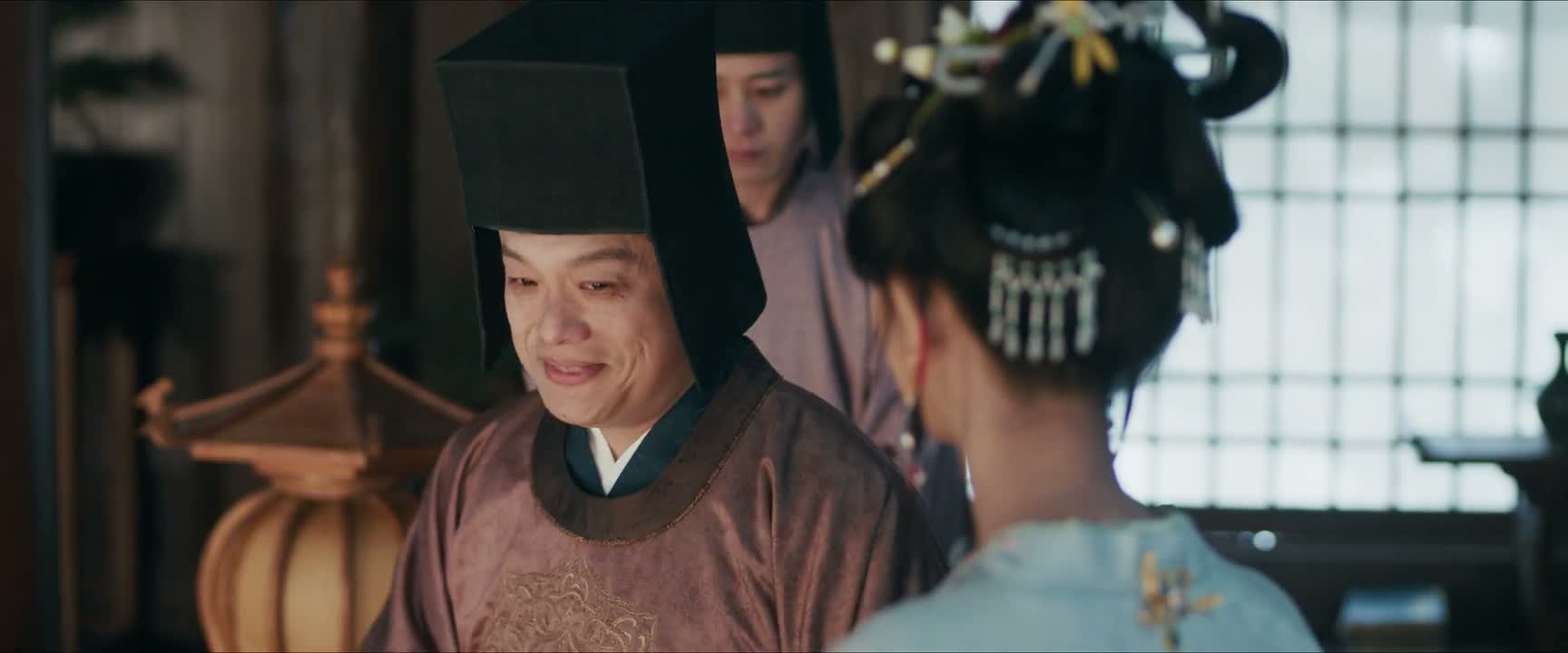
本侯有要务在身
que tengo asuntos urgentes
Show Information
Source Media
TV Series
Season & Episode
S1 E32
Clip Timestamp
11:26
TMDB ID
279388
Conversation Context
| Line | Chinese | Pinyin | Translation |
|---|---|---|---|
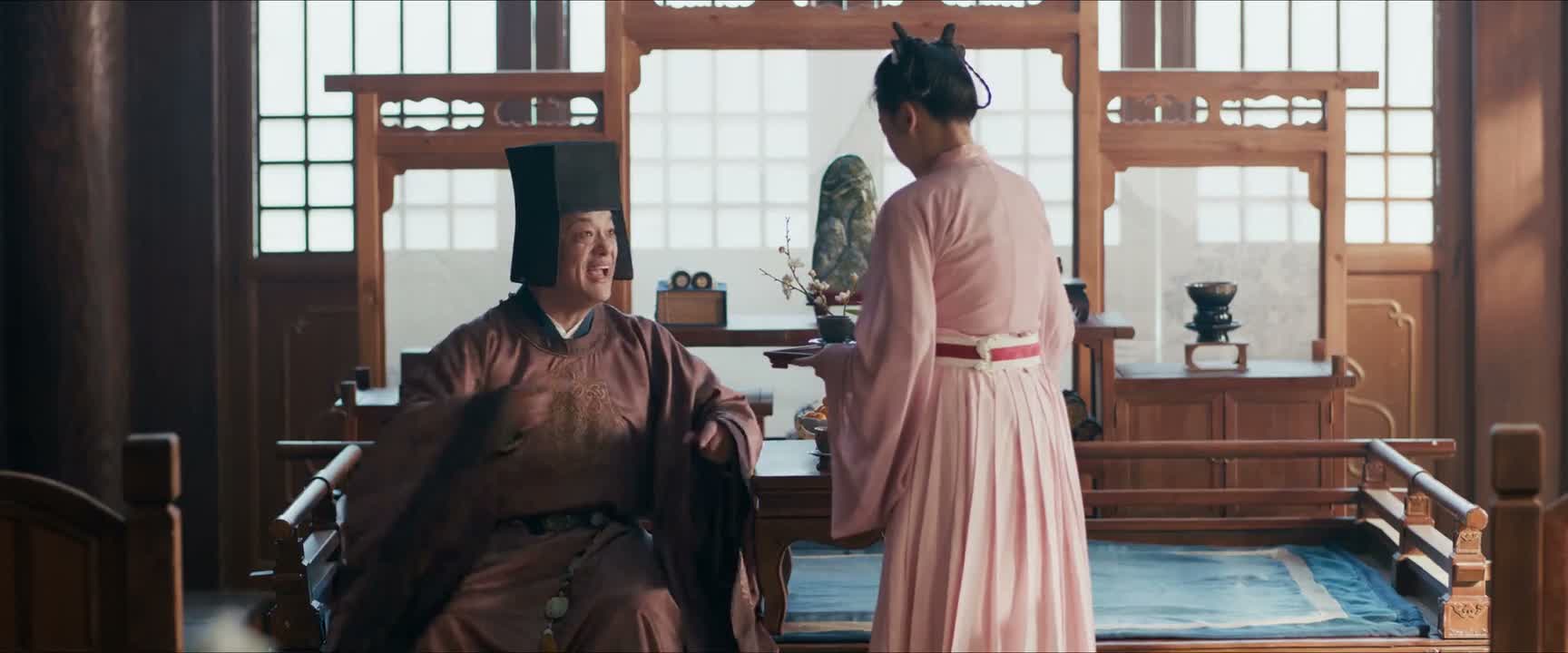
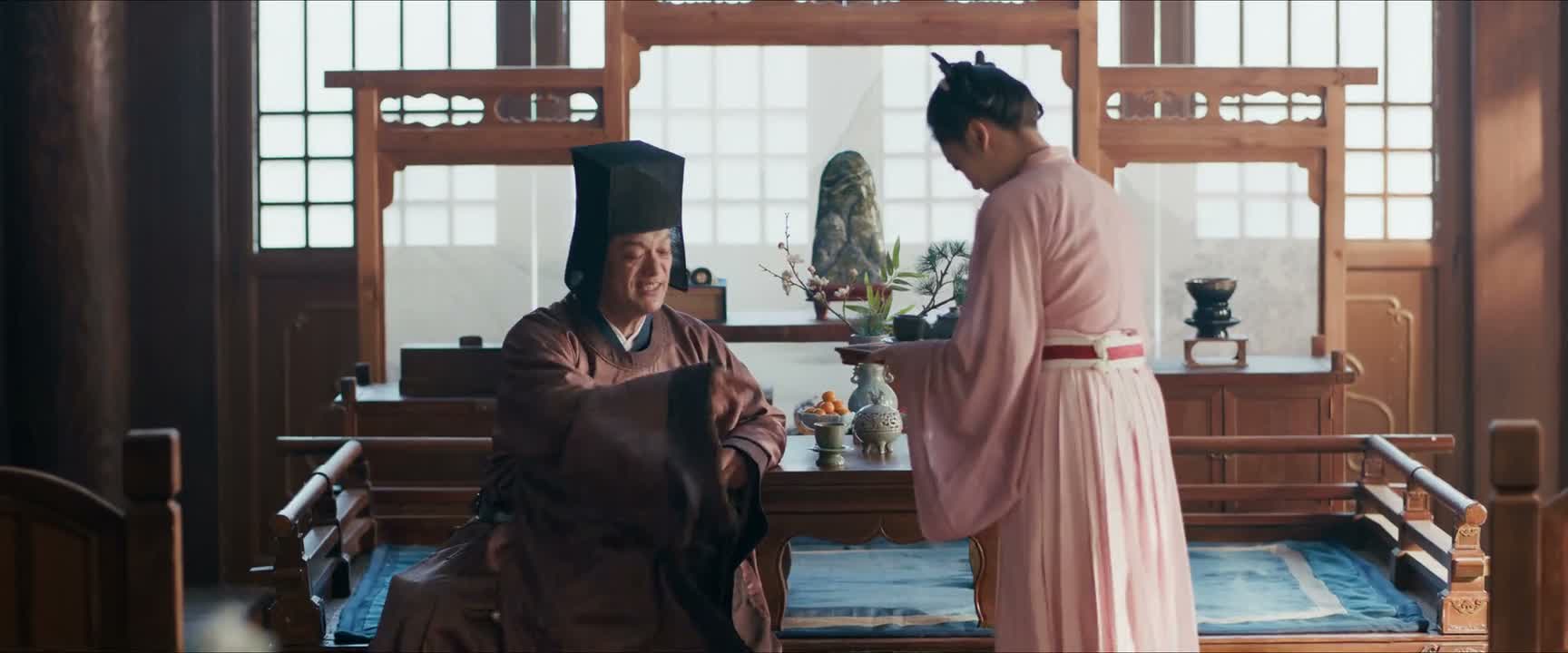
| 1 | 你回去跟那小皇帝说 | nǐ huí qù gēn nà xiǎo huáng dì shuō | Regresa y dile a ese joven emperador |
| 2▶ | 本侯有要务在身 | běn hóu yǒu yào wù zài shēn | que tengo asuntos urgentes |
| 3 | 旨意未能送达 | zhǐ yì wèi néng sòng dá | y el edicto no pudo ser entregado. |
More Clips From Episode
Total 241 clips (Page 2 of 13)
HSK 4
0:03s
wǒ xīn lǐ yì zhí bǎ lǐ dà rén dāng xiōng zhǎng deSiempre te he considerado como un hermano mayor.


HSK 4
0:03s
shí rén zhī dào zhòng zài nèi zhìEl arte de conocer a las personas se basa en sus cualidades interiores,


HSK 6
0:03s
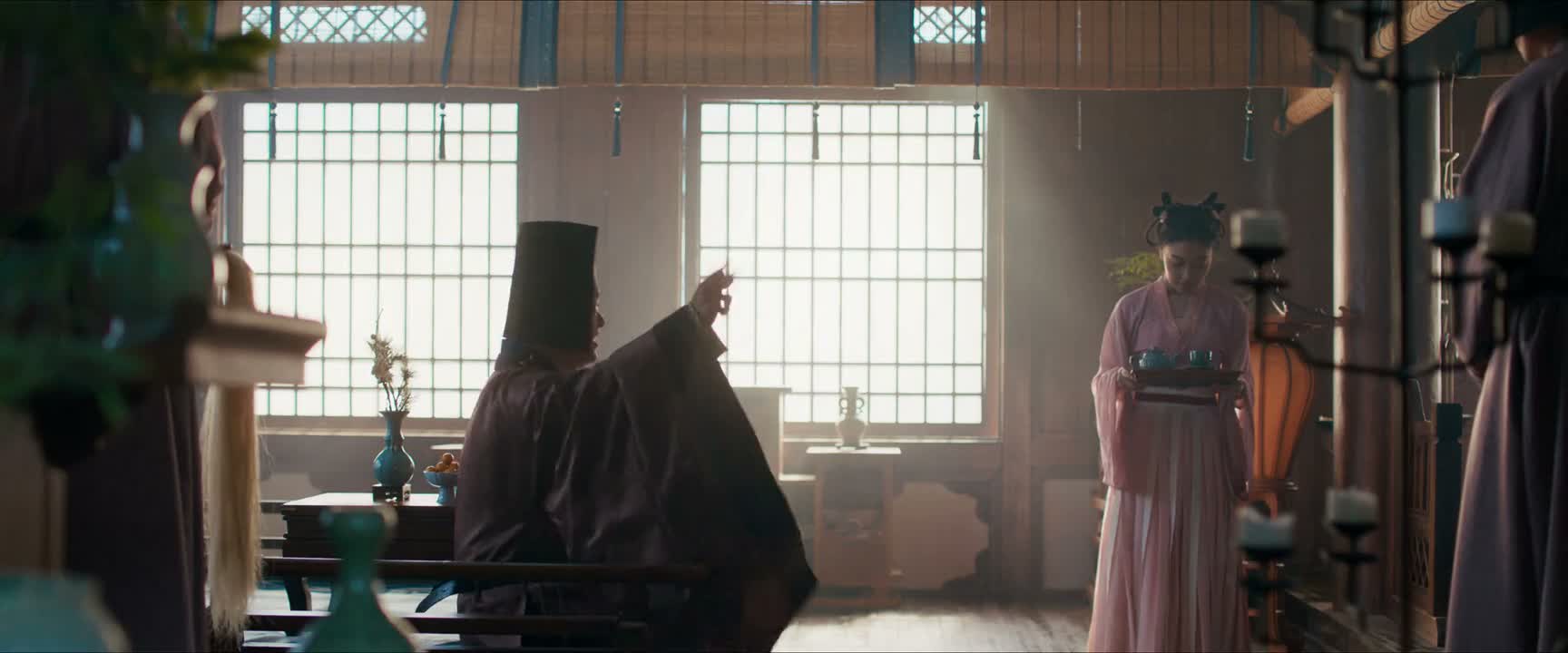
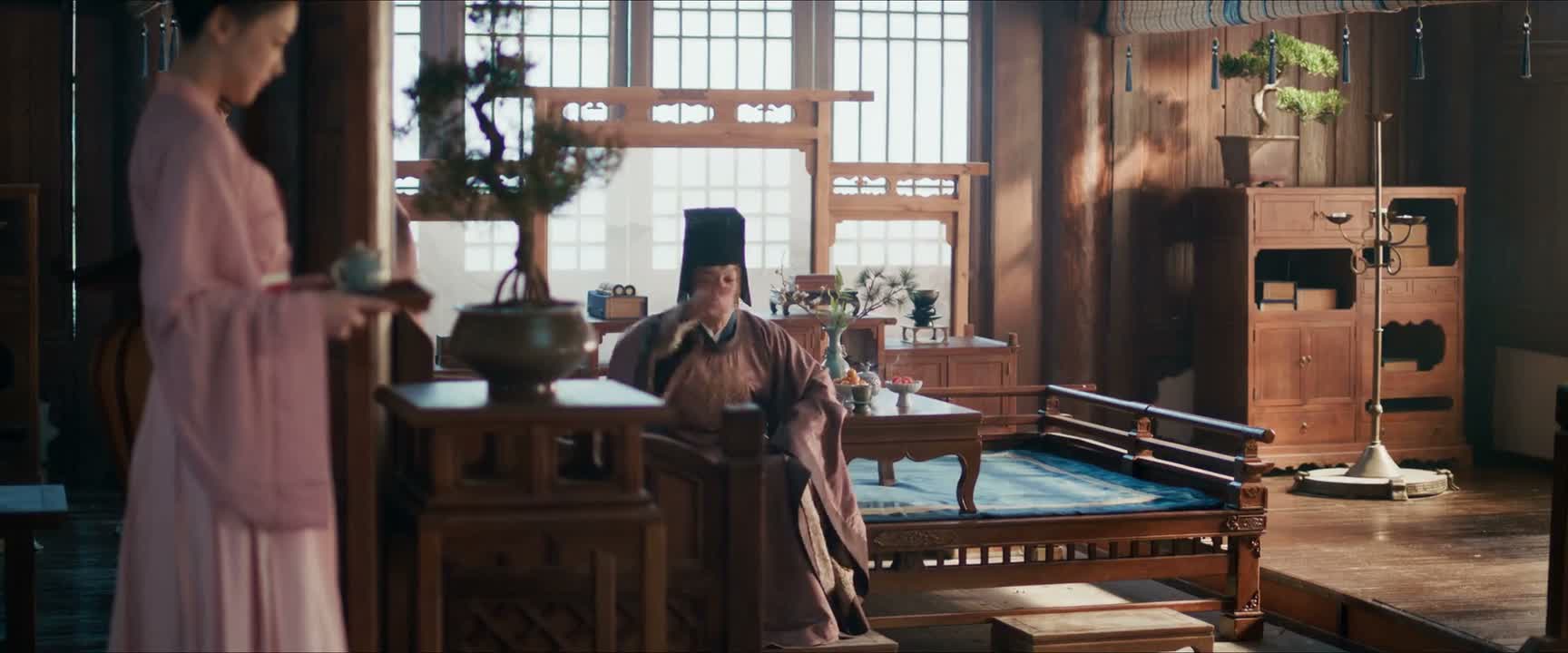
dōu bù céng chōu chū kōng lái jiàn nú jiā yí miànno ha tenido tiempo de recibirme ni una vez.






HSK 5
0:03s
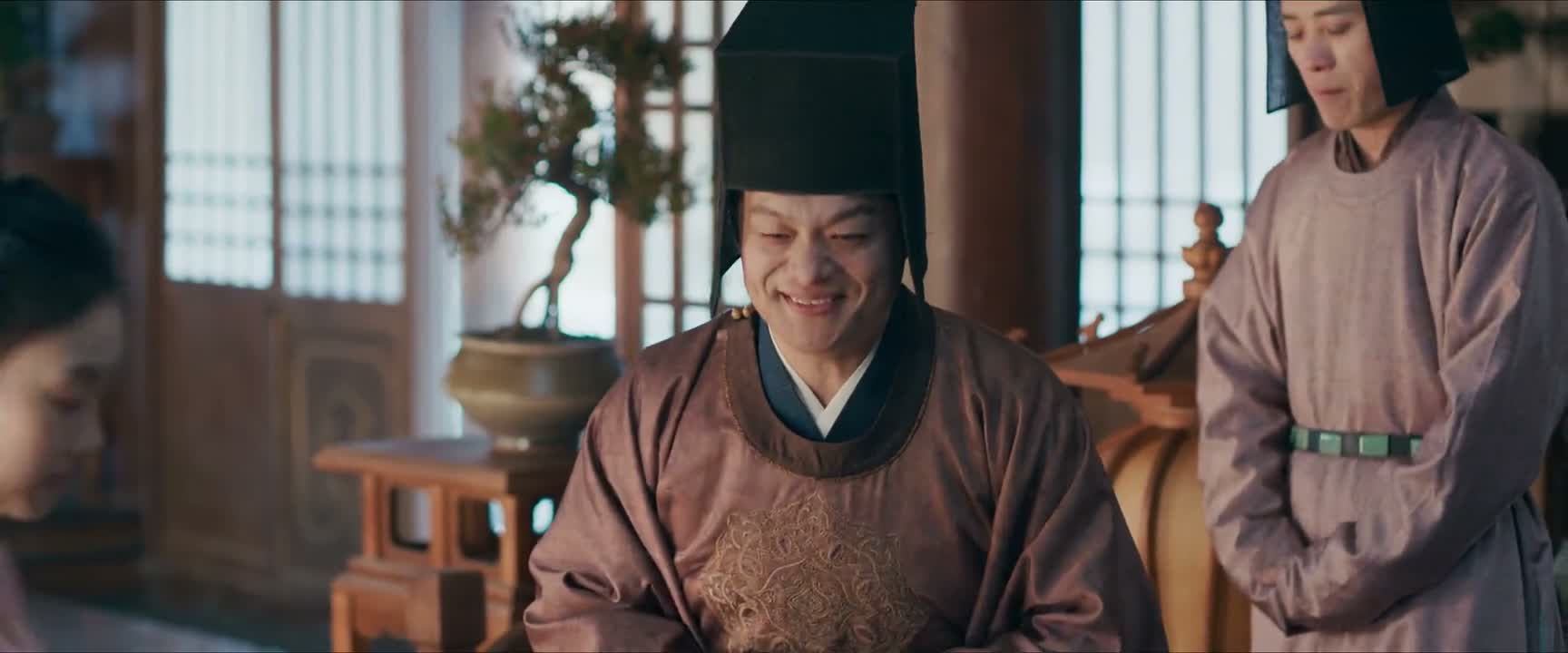
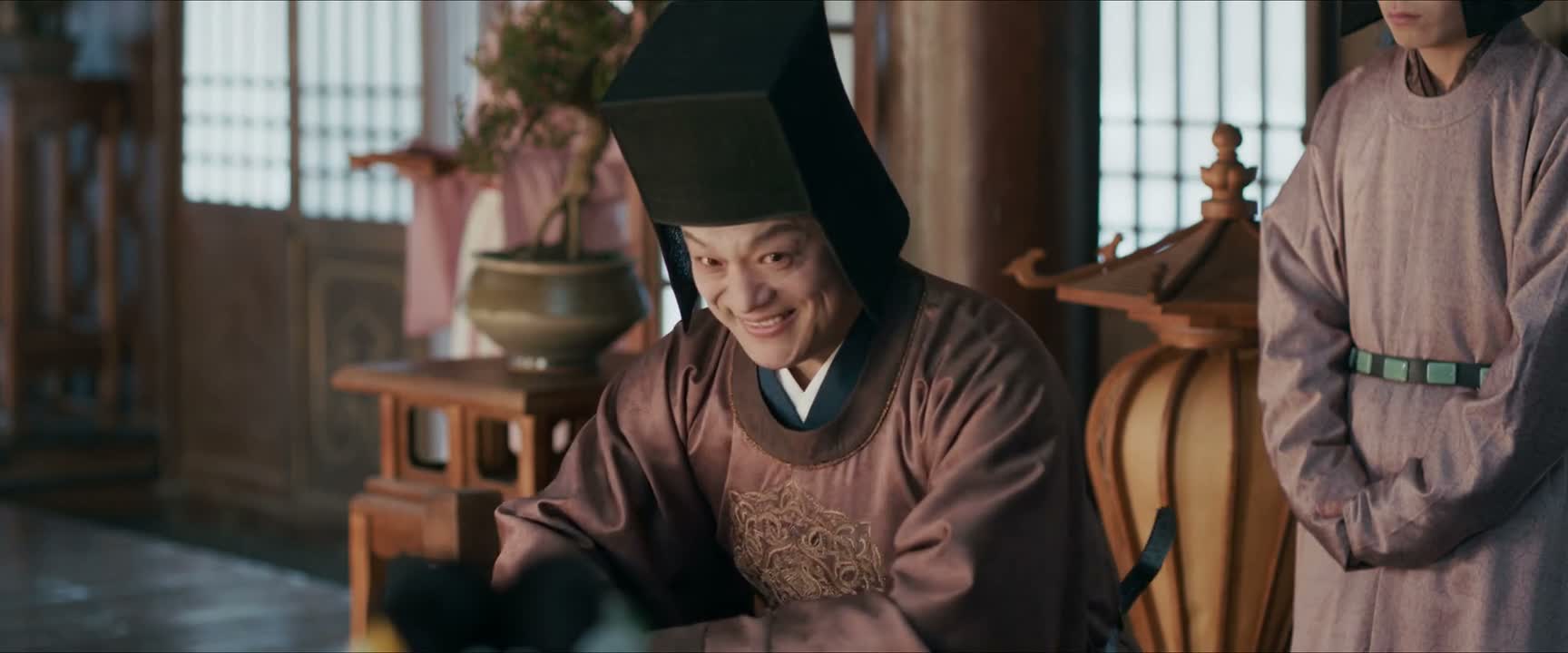
dìng shì nǐ men zhè qún chǔn nú cái chóng tí jiù shìSeguramente ustedes, sirvientes tontos, sacaron este tema viejo
HSK 6
0:03s
diàn xià míng míng chū gōng wèi mǎn bàn zǎiSu Alteza apenas lleva medio año fuera del palacio,