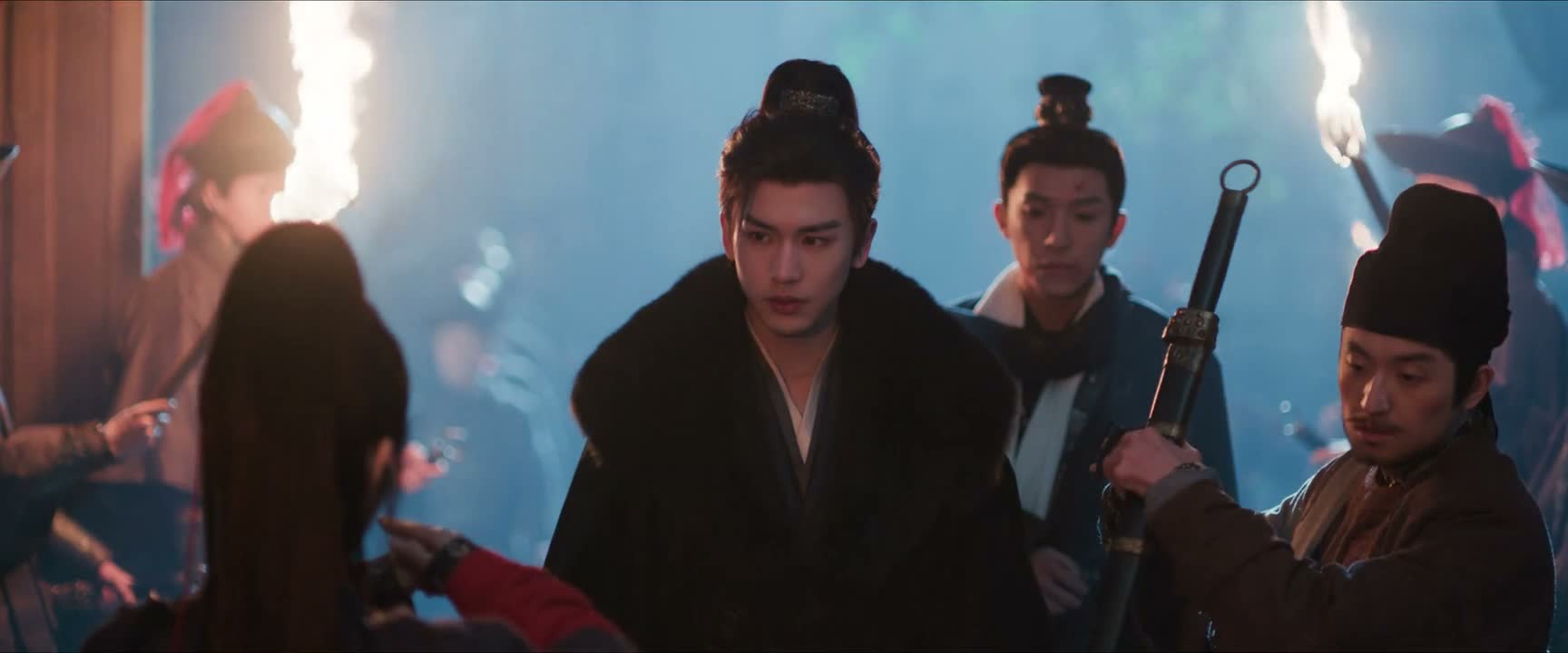
Cómo usar "早就战死沙场了" (zǎo jiù zhàn sǐ shā chǎng le) en el diálogo chino
早就战死沙场了
murió en batalla hace tiempo.
HSK Vocabulary
Show Information
Source Media
TV Series
Season & Episode
S1 E32
Clip Timestamp
0:52
TMDB ID
279388
Conversation Context
| Line | Chinese | Pinyin | Translation |
|---|---|---|---|
| 1 | 樊都尉的夫婿 | fán dū wèi de fū xù | El esposo de la capitana Fan |
| 2▶ | 早就战死沙场了 | zǎo jiù zhàn sǐ shā chǎng le | murió en batalla hace tiempo. |
| 3 | 就算他没死 | jiù suàn tā méi sǐ | Aunque él no hubiera muerto, |
More Clips From Episode
Total 241 clips (Page 8 of 13)
HSK 7
0:03s




HSK 4
0:03s




HSK 5
0:03s

HSK 4
0:03s
jiù shì wèi le gěi yú zhǎng guì chū kǒu qì a¿Solo quieres desahogar la rabia por la Sra. Yu?


HSK 5
0:03s

HSK 5
0:03s
shuō shì gēn dāng nián de jǐn zhōu cǎn àn yǒu guāny dijo que tenía que ver con la masacre de Jinzhou de aquel año.

HSK 5
0:03s
nà yán zhèng yí dìng hěn xiǎng zhuā tāEntonces Yan Zheng debe tener muchas ganas de capturarlo

HSK 5
0:03s

HSK 4
0:03s
zhèng hǎo gěi zán xiǎo duì liàn liàn bīngDe paso, nuestro escuadrón puede entrenarse un poco.

HSK 1
0:03s
kàn kàn shēn shàng yǒu shén me hǔ fú méi yǒuFíjense si lleva encima algún emblema militar.
HSK 2
0:03s