MC
MandarinClips Cinema Corpus
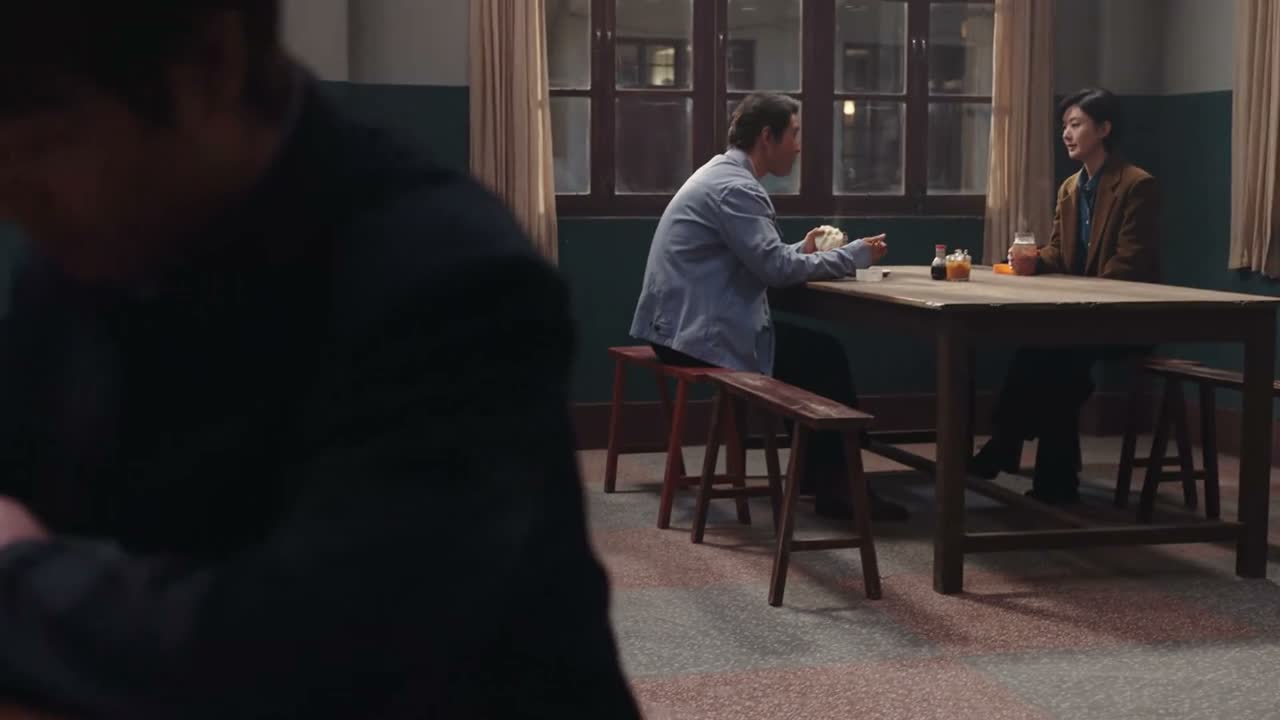
《Mama Go!》 S1·E15 (24:41) HSK 6
děi kuī shì méi yǒu shāng dào gǔ tou

得亏是没有伤到骨头

“Luckily you didn't hurt the bone”

《Mama Go!》 S1·E15
TIMECODE: 24:41 · 1080P MASTER AUDIO

THE DIALOGUE REEL

1+1+1 SPOKEN CONTINUITY
[-1] PREVIOUS TURN fēi děi nà me nǔ lì

非得那么努力

“But you just had to work so hard”

děi kuī shì méi yǒu shāng dào gǔ tou CURRENT FOCUS

得亏 是 没有 伤到骨头

“Luckily you didn't hurt the bone”

[+1] FOLLOW-UP TURN xià cì xùn liàn de shí hòu a

下次训练的时候啊

“Next time you train,”

Subtitles synced to millisecond timecode Browse Show Clips →
Scene: Medical & Health
Function: EXPRESSING RELIEF AND ADVISING
Tone: CONCERNED
Emotion: CARING
WHAT THEY REALLY MEAN (PRAGMATIC SUBTEXT)
“Thank goodness it's not a fracture, but you really need to stop pushing yourself to the brink of injury.”
💡 Cultural Insight: 'shang jin dong gu yi bai tian' (injuries to tendons and bones take a hundred days to heal)

In traditional Chinese health beliefs, bone injuries are considered very severe and require a long period of quiet recovery. Therefore, hearing that one 'did not hurt the bone' is frequently used in spoken conversation to console the injured person as a silver lining.

INTENT TAGS: #relief #caring #cautioning #advising
🧩

LEARNING CHUNKS & PARTICLES

2 CHUNKS · 0 PARTICLES
得亏 SPOKEN CHUNK

luckily; fortunately

A high-frequency spoken adverb used to indicate that an adverse outcome was avoided due to good luck or favorable circumstances, often paired with 'mei' or 'bu'.

伤到骨头 SPOKEN CHUNK

to injure the bone, indicating a severe injury

Commonly used in everyday speech to measure the severity of physical trauma; 'injuring the bone' typically implies a lengthy recovery period.
🏮

VOCABULARY & EXPRESSIONS

3 EXPR · 4 GRAMMAR
CROSS-CINEMA CORPUS BOARD · PARALLEL SCENES

Parallel Spoken Cinema Scenes (语义近邻切片)

EXPLORE BY SEMANTIC SIMILARITY
《Mama Go!》 S1·E15 (24:41) · Authentic Cinema Dialogue Corpus