你会不会觉得我很可笑啊
“Do you think I'm ridiculous?”
THE DIALOGUE REEL
等来的却是一场告别
“all I'd get is a farewell.”
你 会不会 觉得我很可笑 啊
“Do you think I'm ridiculous?”
不会啊
“Not at all.”
“I feel so pathetic and foolish right now, please tell me I'm not.”
In Chinese interpersonal communication, individuals often use self-deprecation (such as calling themselves ridiculous) to express vulnerability and hurt, thereby testing the listener's attitude and seeking emotional validation and comfort.
LEARNING CHUNKS & PARTICLES
Would you think...
Used to gently inquire about the other person's perception or attitude toward oneself, often carrying a tentative tone and conveying uncertainty.
Placed at the end of a question to soften the tone, expressing vulnerability and seeking comfort while confiding in someone.
VOCABULARY & EXPRESSIONS
Parallel Spoken Cinema Scenes (语义近邻切片)
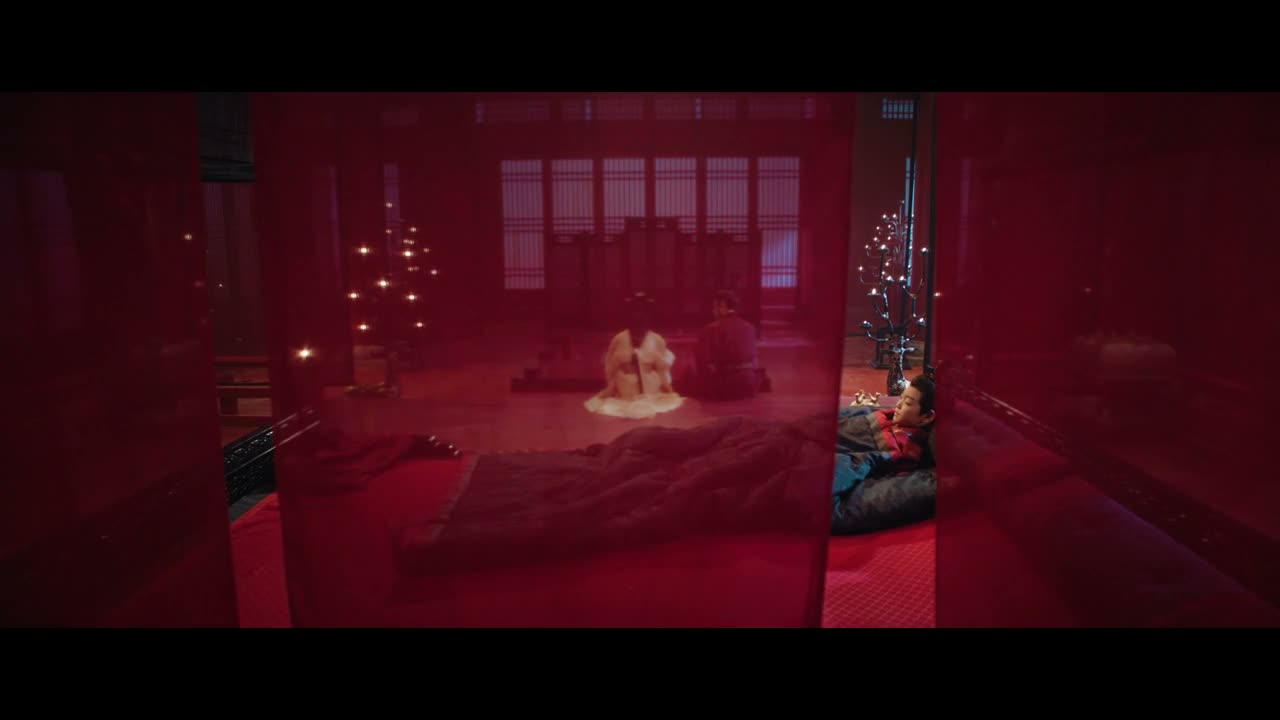
“You think that's funny, don't you?”

“- Really funny. - Nah. Just a middle-aged guy venting.”

“Do you think it's funny too?”