没事你别乱发脾气啊
“Don't throw temper tantrums, alright?”
THE DIALOGUE REEL
什么态度了这是
“this attitude with him?”
没事 你别 乱发脾气 啊
“Don't throw temper tantrums, alright?”
爸妈
“Mom, Dad,”
“Calm down and don't lose your temper—our parents are right here.”
In Chinese family culture, when conflicts arise between the younger generation or spouses, they typically try to avoid escalating them in front of elders (parents). This is done both to uphold the ideal of 'jia he wan shi xing' (family harmony brings prosperity) and to spare parents worry while maintaining family dignity.
LEARNING CHUNKS & PARTICLES
to lose one's temper groundlessly or inappropriately
A high-frequency spoken collocation, often used to dissuade someone (e.g., 'don't lose your temper recklessly') or criticize someone for losing their temper.
indicating that things are fine or not serious; used to soothe emotions
When placed at the start of a sentence, it often serves as a comforting conversational opener to ease tension.
Used at the end of a sentence to provide a reminder, urge, or gentle dissuasion, softening an imperative tone with a soothing nuance.
VOCABULARY & EXPRESSIONS
Parallel Spoken Cinema Scenes (语义近邻切片)
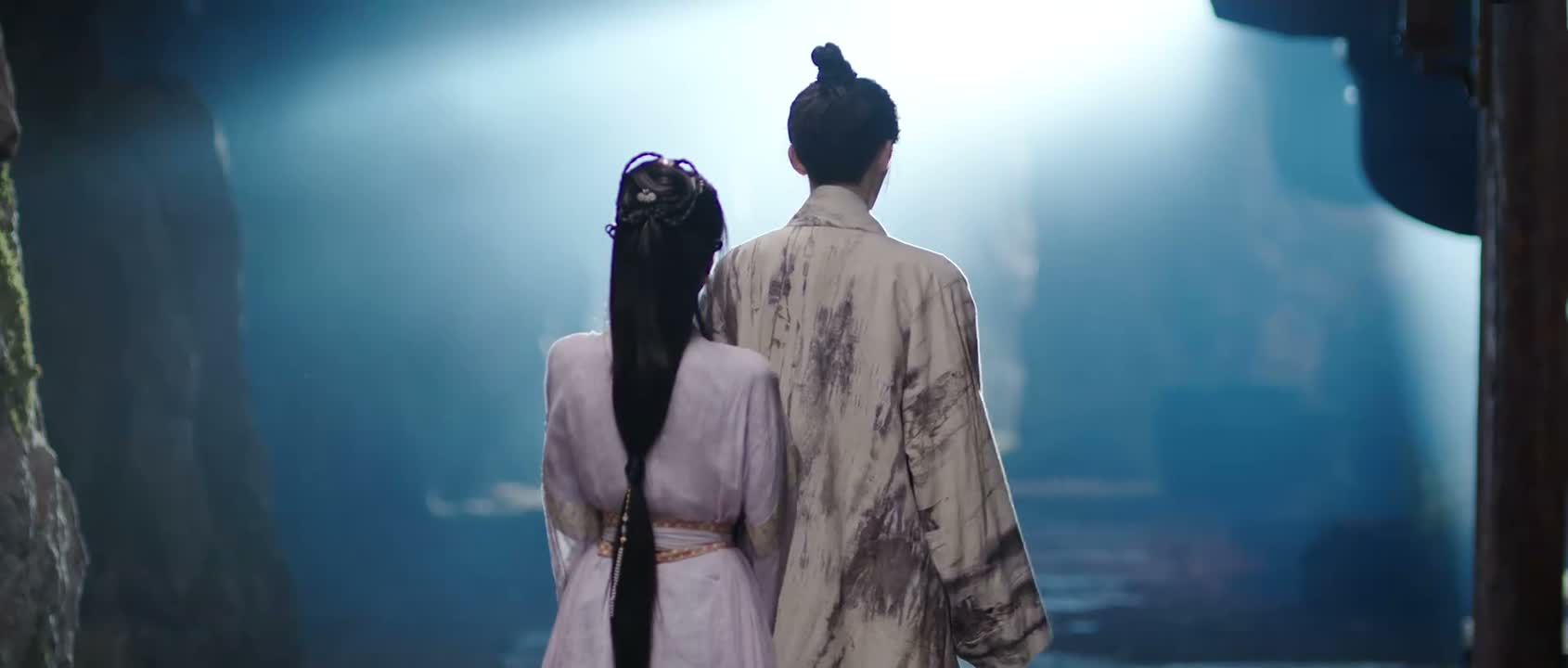
“why throw a tantrum?”
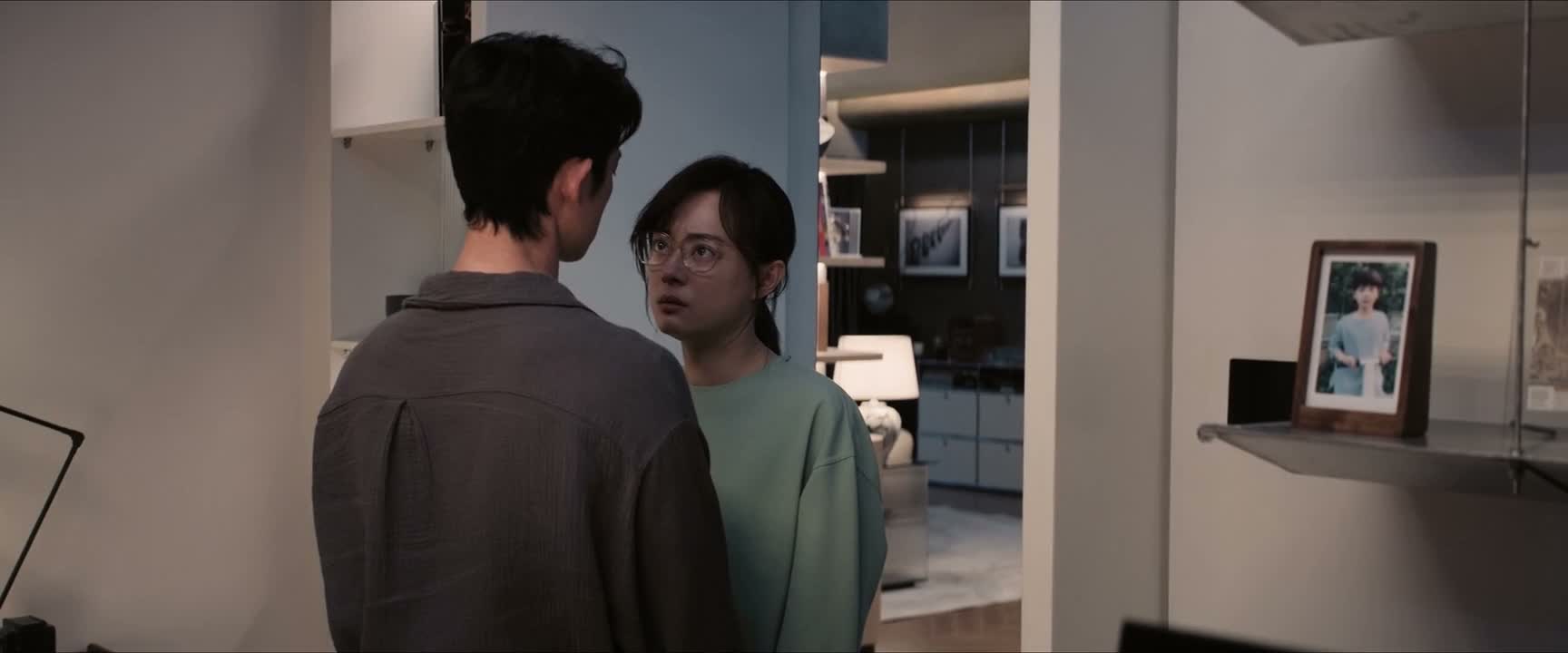
“I shouldn't have lost my temper with you. I'm sorry.”
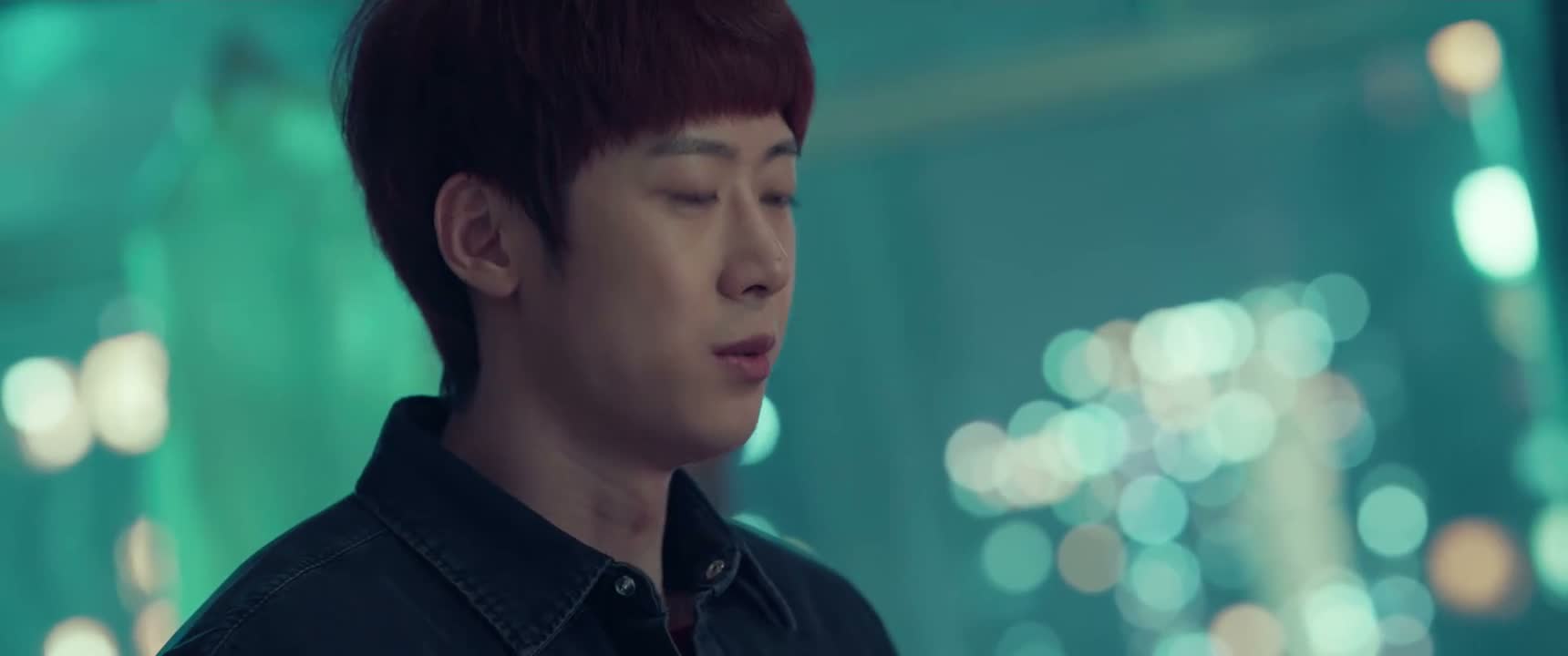
“I shouldn't have snapped at you,”
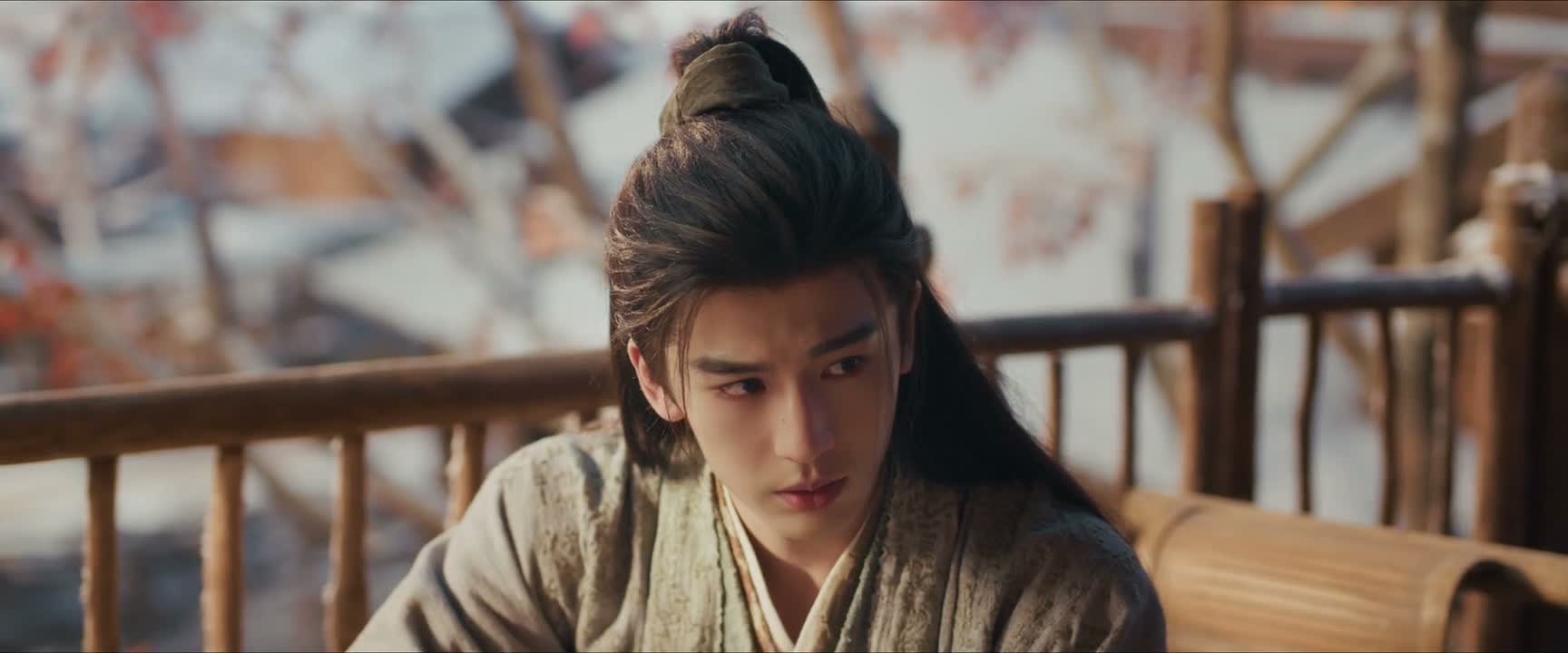
“Don't be mad.”
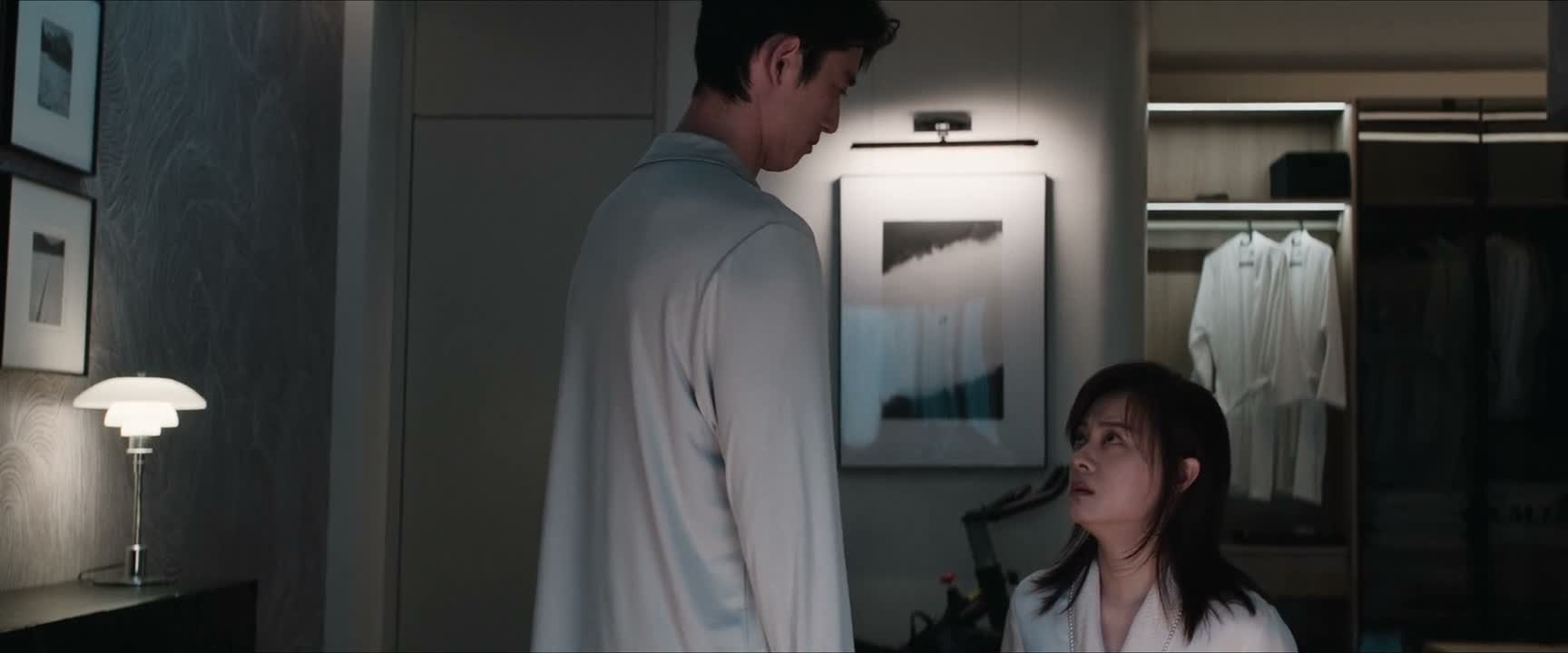
“but you suddenly lost your temper.”
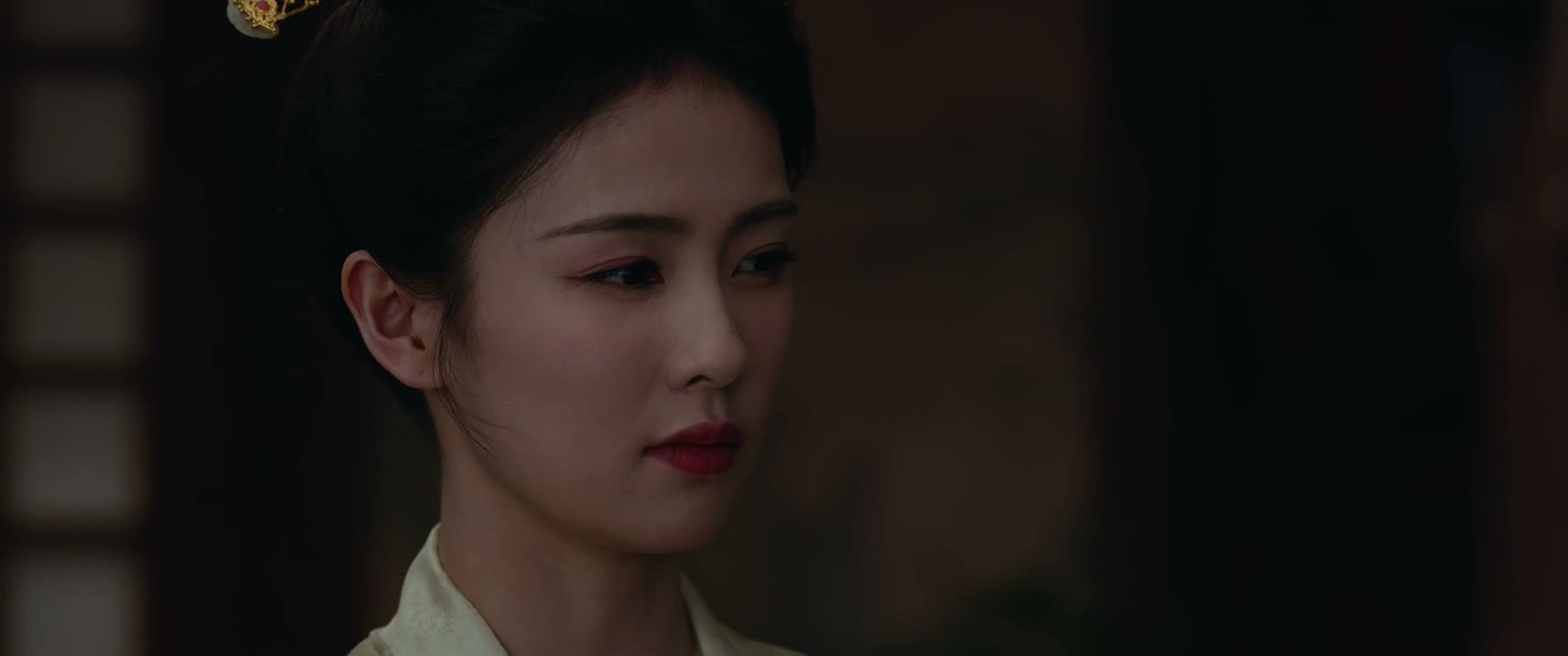
“Come on. Don't be angry.”