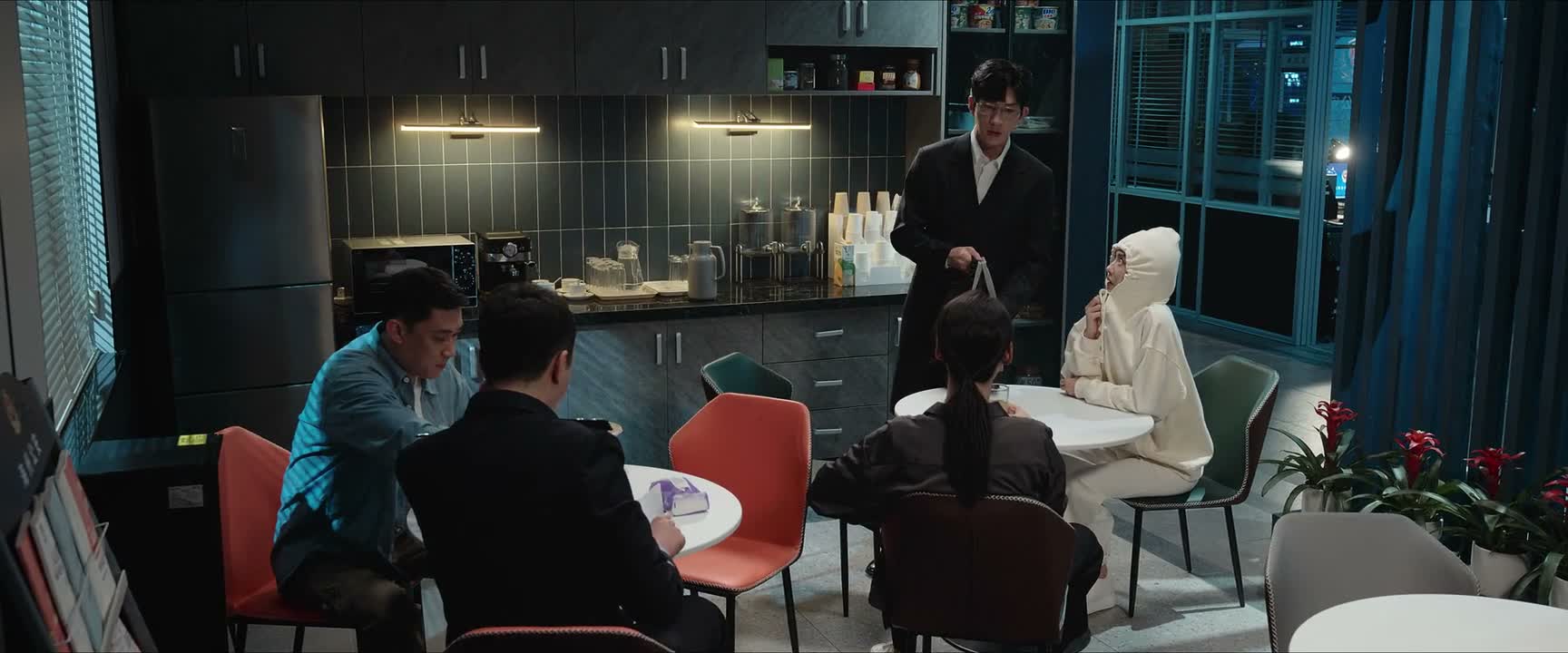
我就不吃了 我吃饱了
“I'm good. I'm full already.”
THE DIALOGUE REEL
他们的心意啊
“go to waste.”
我就不吃 了 我吃饱了
“I'm good. I'm full already.”
这么补的东西 就别给修了
“Don't give something that tonic to Xiu.”
“I really shouldn't eat this; save it for someone else.”
In Chinese dining and family contexts, hosts or family members often enthusiastically urge others to eat nourishing dishes. Saying 'chi bao le' (I'm full) is commonly used as a graceful, face-saving excuse to decline politely.
LEARNING CHUNKS & PARTICLES
indicates opting out of an activity or declining politely
A very high-frequency spoken pattern for polite refusal, much softer and more courteous than directly saying 'wo bu chi' (I won't eat).
to be full; having eaten enough
The most common legitimate reason used in daily life to turn down offers of more food or extra servings.
Placed at the end of a sentence to indicate a change of situation or state, softening the bluntness of a refusal.
VOCABULARY & EXPRESSIONS
Parallel Spoken Cinema Scenes (语义近邻切片)
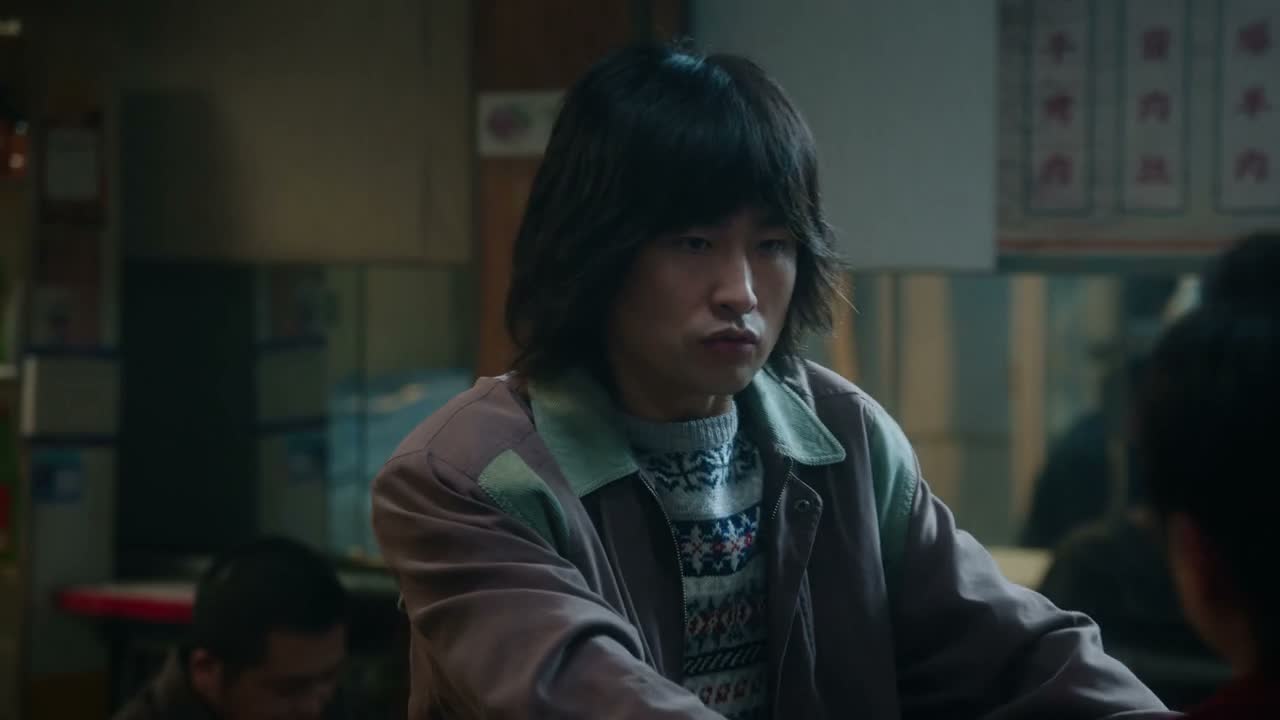
“-I've already eaten. -Sit! Let's eat together!”
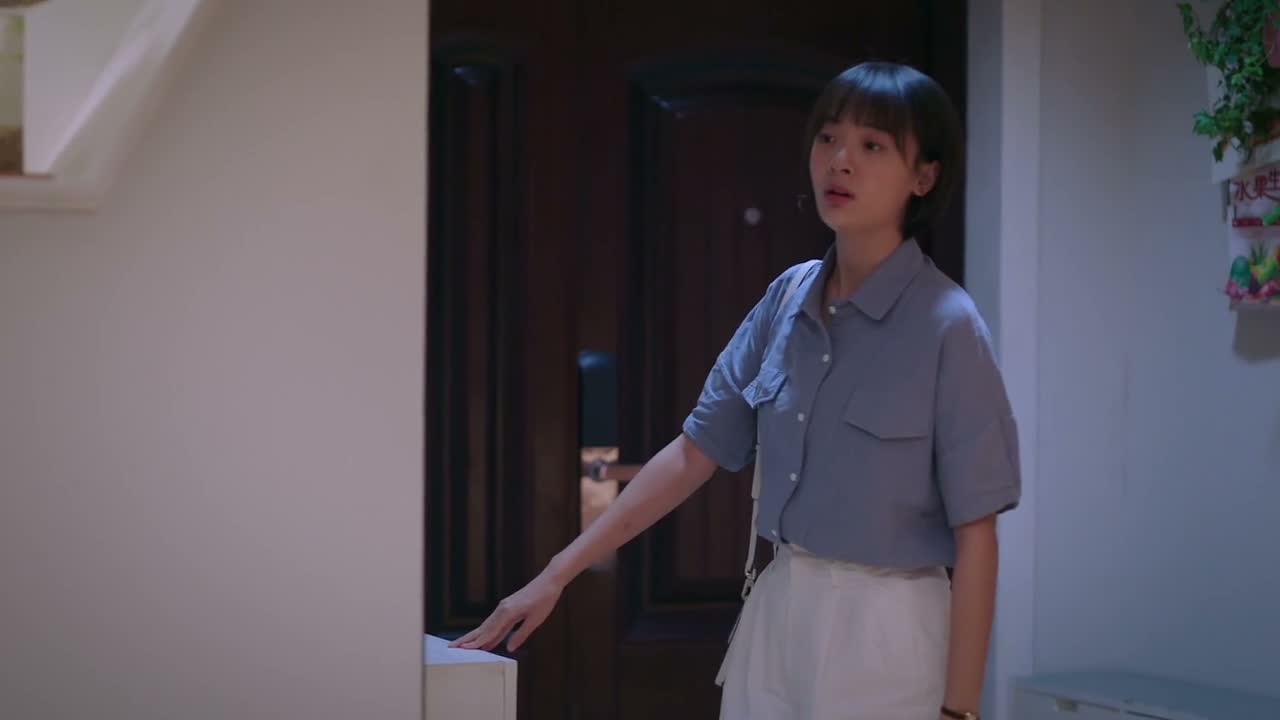
“No, thanks, I have no appetite.”
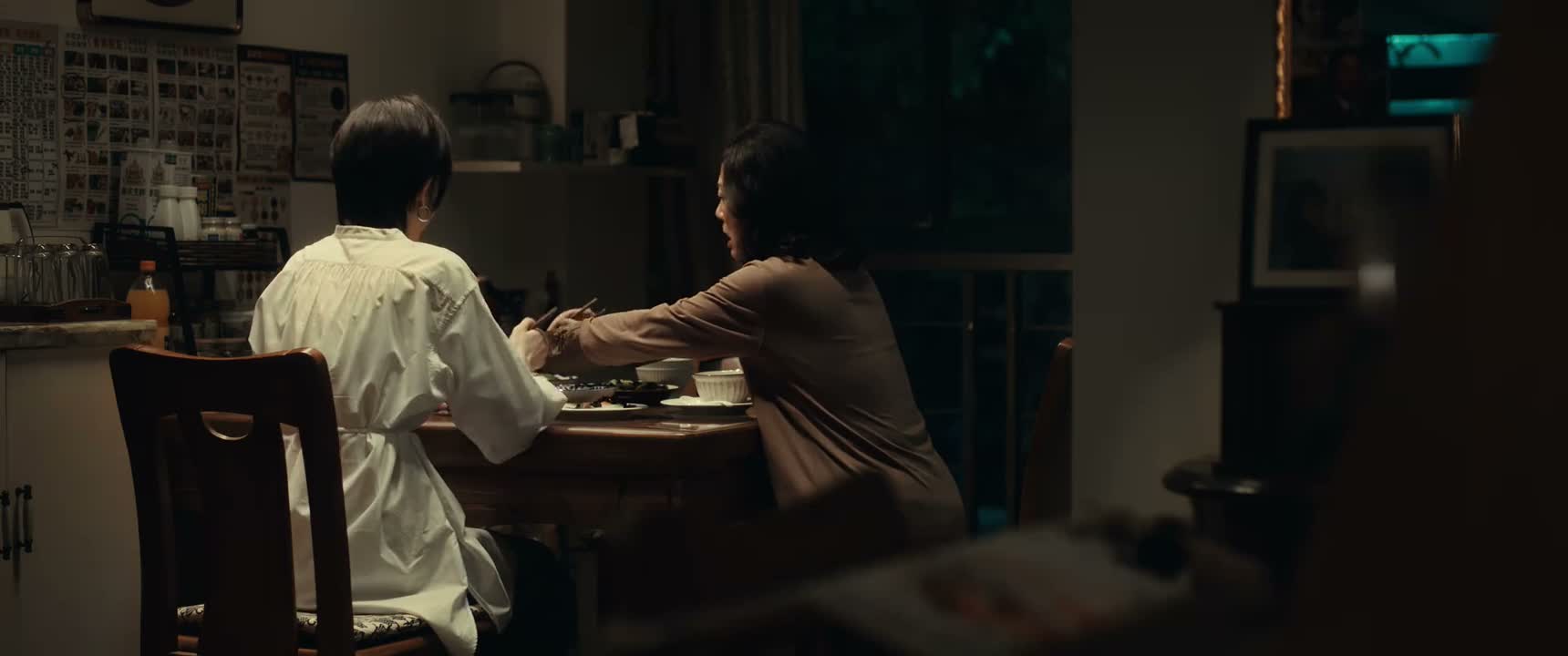
“You don't need to give me more, I'm already... Already full.”
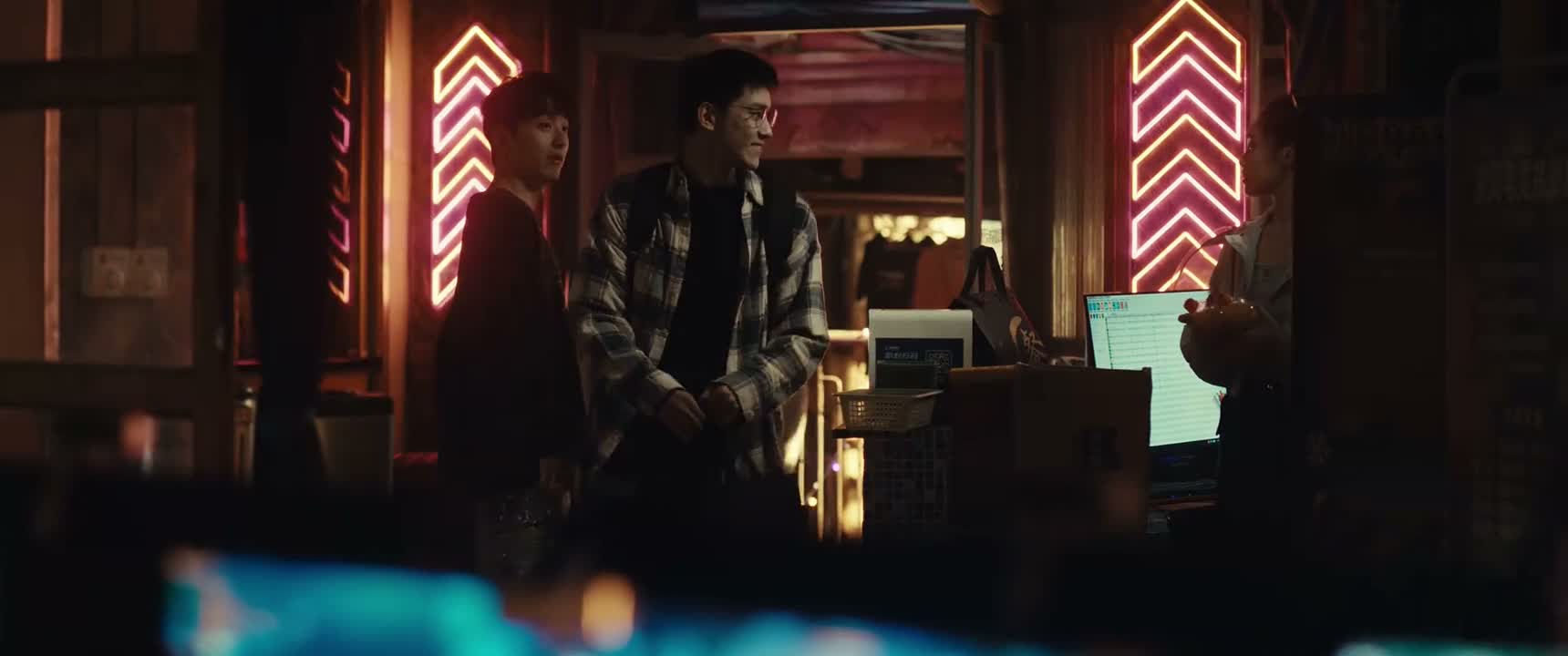
“You're not eating? Not joining us? I already ate.”

“No, thanks. I won't eat with you all. I'll go feed the dog.”

“I won't eat then. You guys go ahead. Eat.”
“Have some with us. No need. Watching you two is filling enough.”