MC
MandarinClips Cinema Corpus
《The Silent Rift》 S1·E7 (38:51) HSK 6
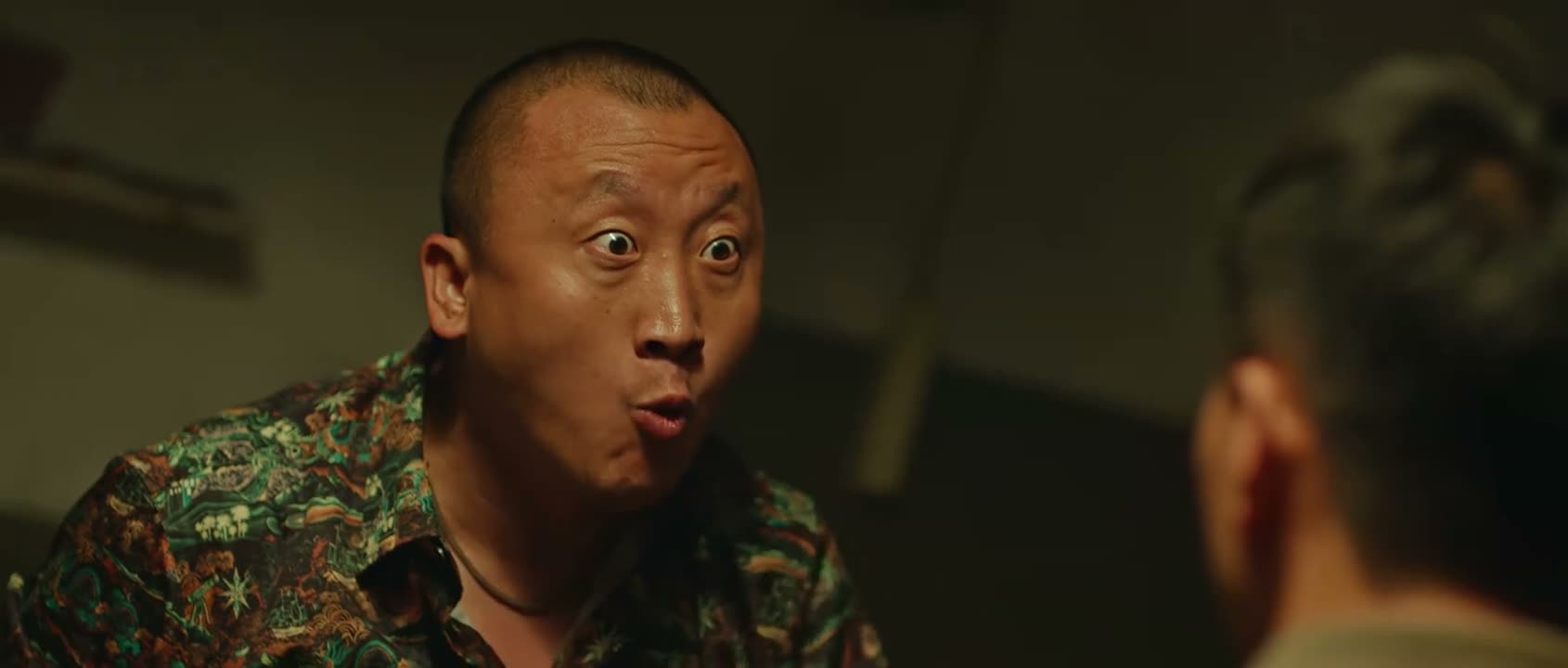
xiǎng gēn wǒ men duì kàng shì ba

想跟我们对抗是吧

“Thinking about opposing us, huh?”

《The Silent Rift》 S1·E7
TIMECODE: 38:51 · 1080P MASTER AUDIO

THE DIALOGUE REEL

1+1+1 SPOKEN CONTINUITY
[-1] PREVIOUS TURN zhī dào wǒ men zuì jìn lái shì chǎng shǎo le

“What? Knowing we've been coming to the market less lately?”

xiǎng gēn wǒ men duì kàng shì ba CURRENT FOCUS

想跟我们对抗是吧

“Thinking about opposing us, huh?”

[+1] FOLLOW-UP TURN méi yǒu méi yǒu méi yǒu

没有没有没有

“No, no, no. I wouldn't dare.”

Subtitles synced to millisecond timecode Browse Show Clips →
Scene: Crisis & Conflict
Function: THREATENING AND INTERROGATING
Tone: THREATENING
Emotion: ANGER
WHAT THEY REALLY MEAN (PRAGMATIC SUBTEXT)
“You think you can challenge us? You'd better think twice.”
💡 Cultural Insight: Verbal Intimidation and Subjugation

In street or underworld culture, a dominant party often uses rhetorical questions to probe and intimidate potential rivals, coercing the weaker side into immediate submission and denial of defiance.

INTENT TAGS: #intimidation #warning #pressuring #provocation
🧩

LEARNING CHUNKS & PARTICLES

2 CHUNKS · 1 PARTICLES
跟……对抗 SPOKEN CHUNK

to confront, stand against, or oppose someone

Commonly used in spoken Chinese to describe conflicts, rivalries, or clashes between individuals, groups, or factions.

是吧 SPOKEN CHUNK

isn't it; right

A tag question at the end of a sentence; here it serves not as a genuine inquiry, but as a menacing probe designed to intimidate.

Modal Particle「吧」 (ba) CHANGE OF STATE

Placed at the end of a sentence to form a rhetorical question, conveying a condescending, aggressive, and pressuring tone.

🏮

VOCABULARY & EXPRESSIONS

2 EXPR · 5 GRAMMAR
CROSS-CINEMA CORPUS BOARD · PARALLEL SCENES

Parallel Spoken Cinema Scenes (语义近邻切片)

EXPLORE BY SEMANTIC SIMILARITY
《The Silent Rift》 S1·E7 (38:51) · Authentic Cinema Dialogue Corpus