...吧
[主语] + 吧 + [谓词/短语]
Core sentence pattern in modern spoken Mandarin.
[Variation: 肯定建议式]
(31 clips) 00:03
 00:02
 00:02
 00:02
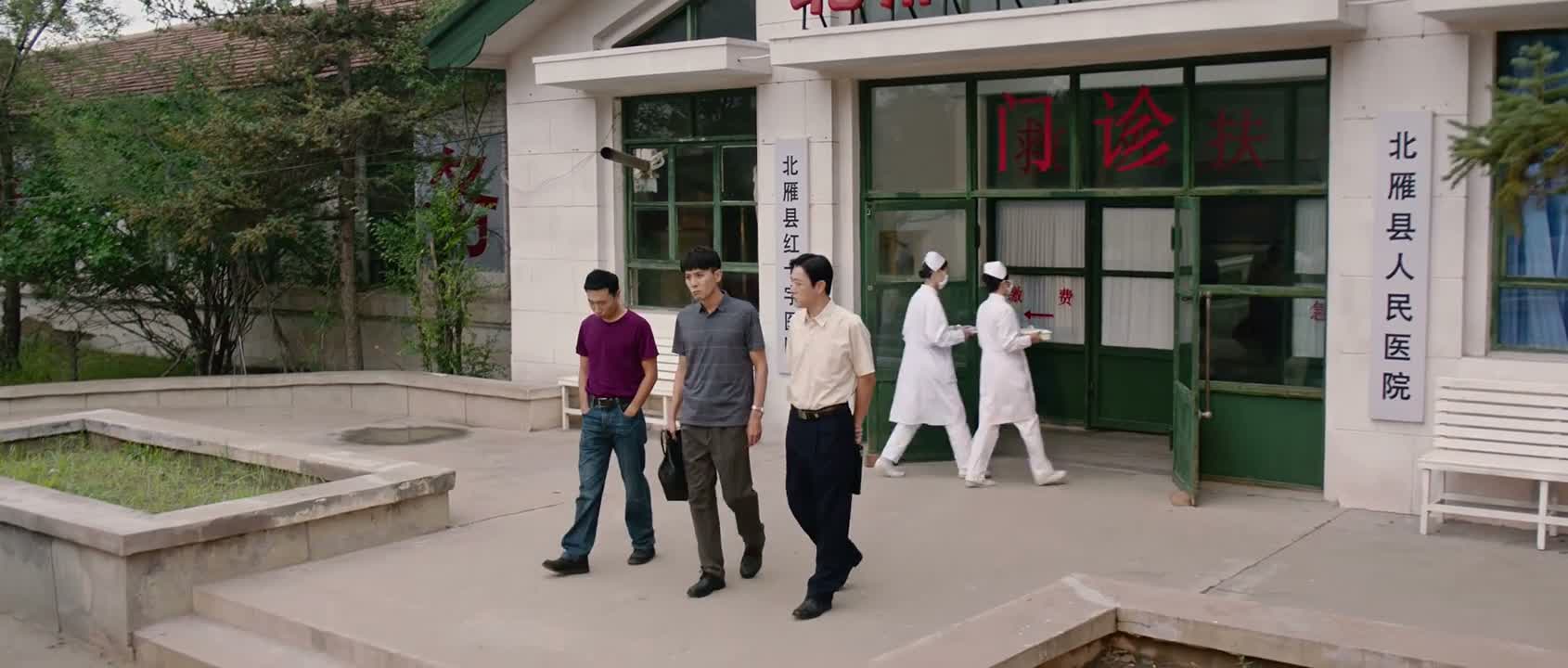 00:02
(那四弟想换个活法) ── Previous context
“If Laosi wants to try something new, we should support him, right?”
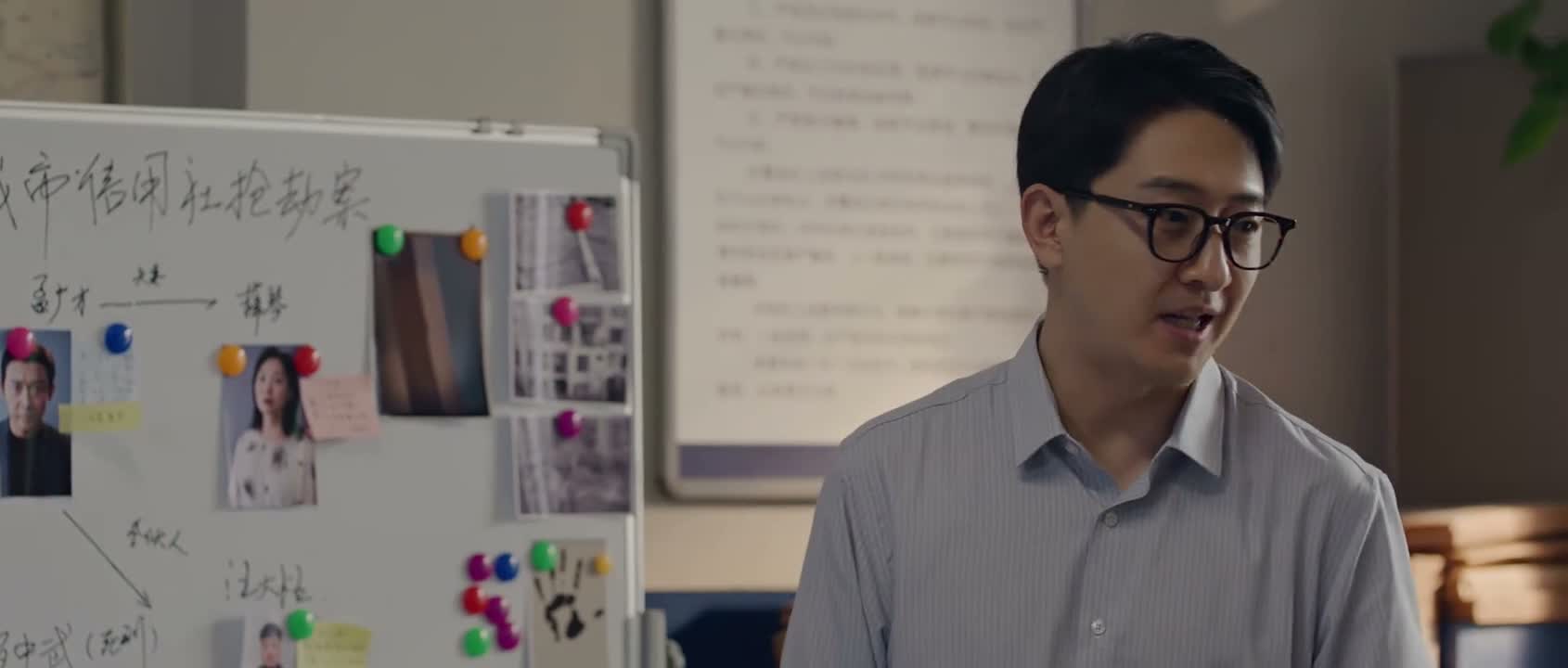 00:02
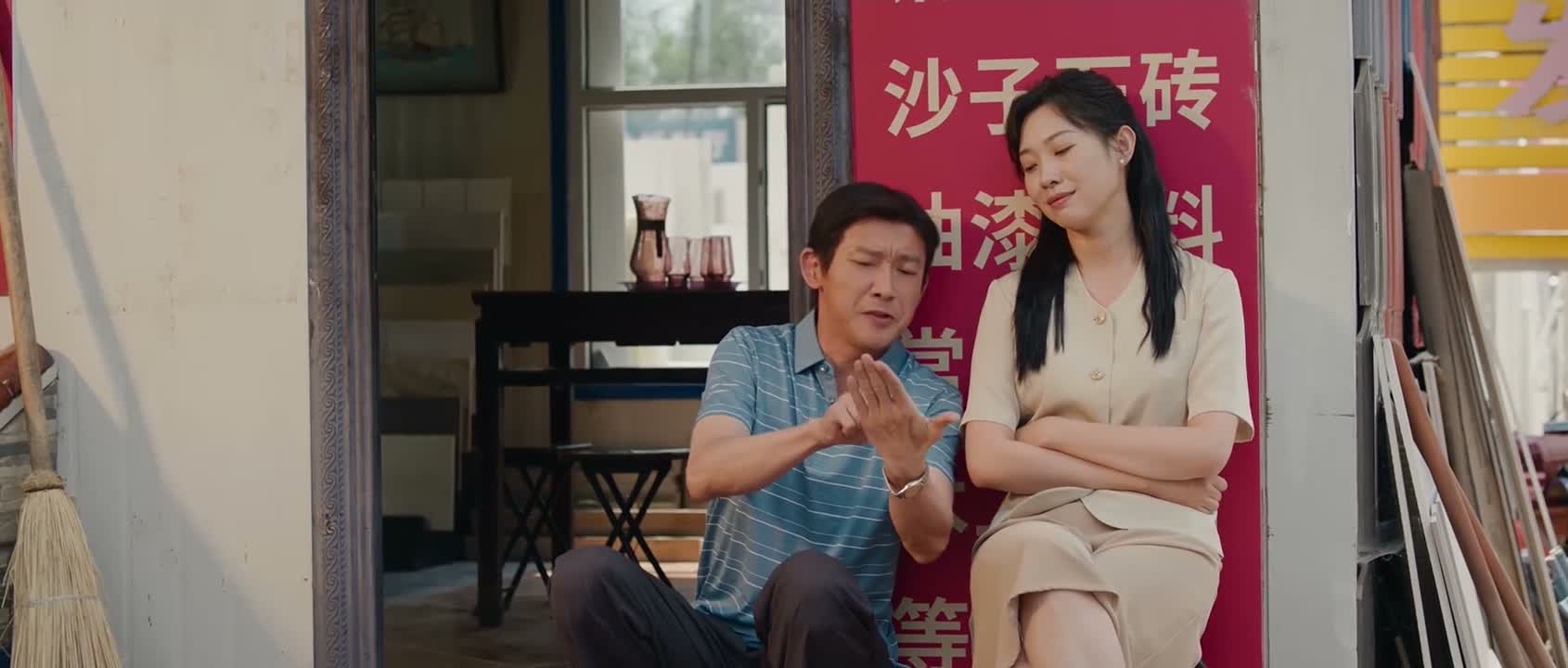 00:03
 00:02
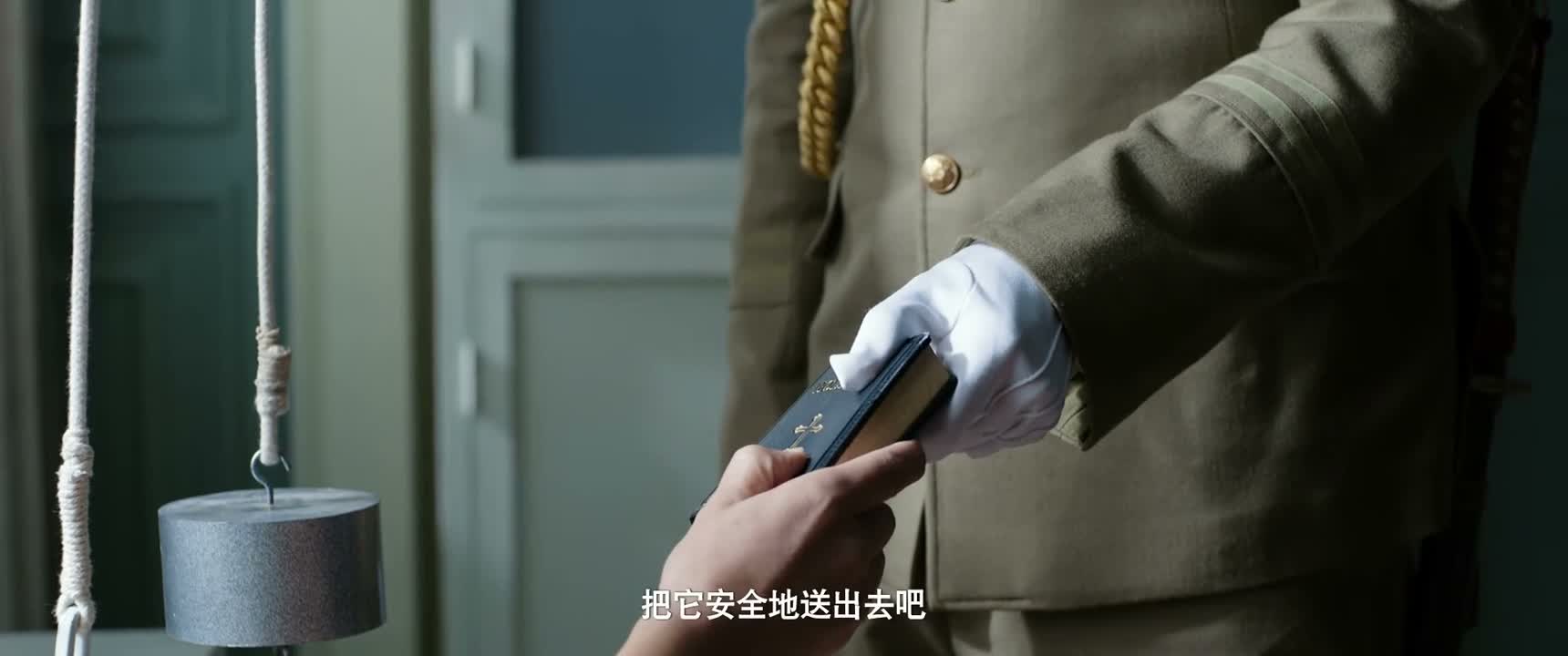 00:03
 00:02
 00:02
 00:02
 00:02
 00:02
 00:02
 00:02
 00:02
 00:02
(我们一定会出去的) ── Previous context
“Save that speech after we survive tomorrow's death match.”
 00:02
 00:02
 00:02
 00:02
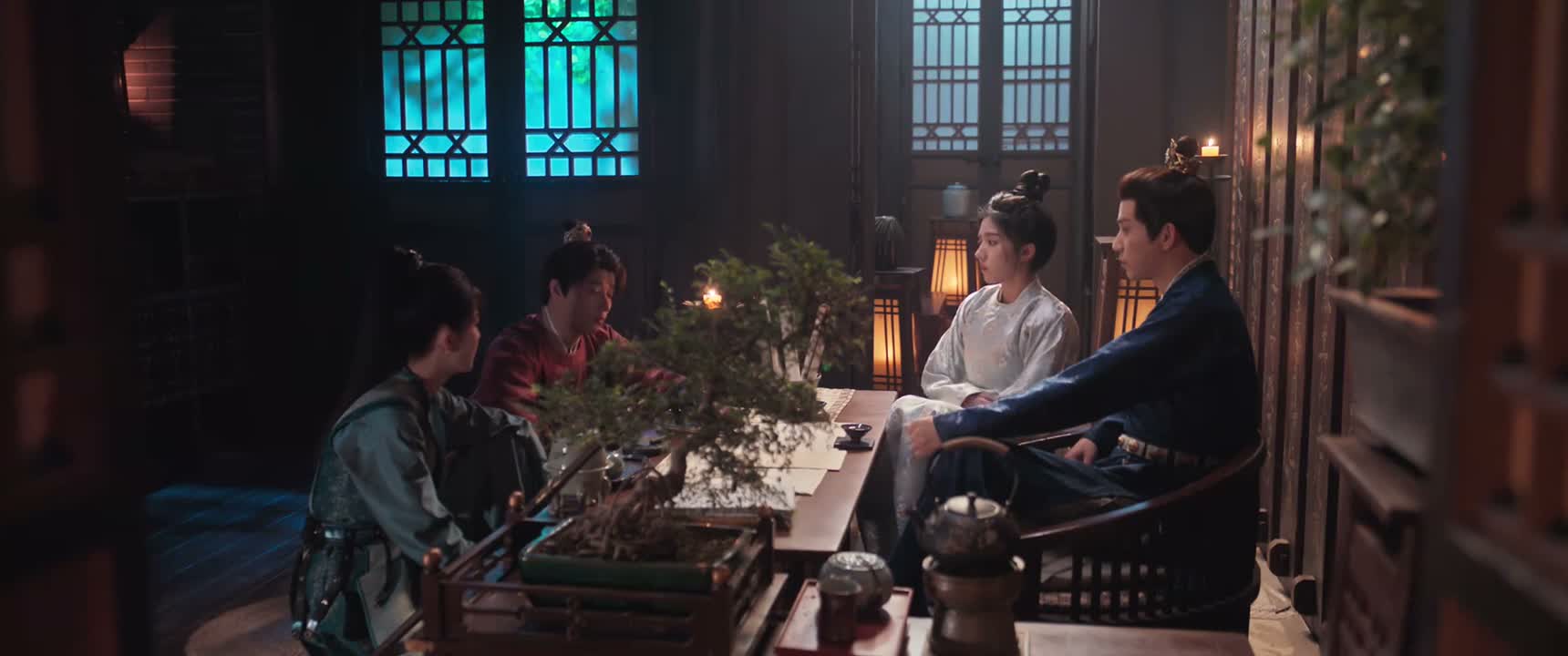 00:02
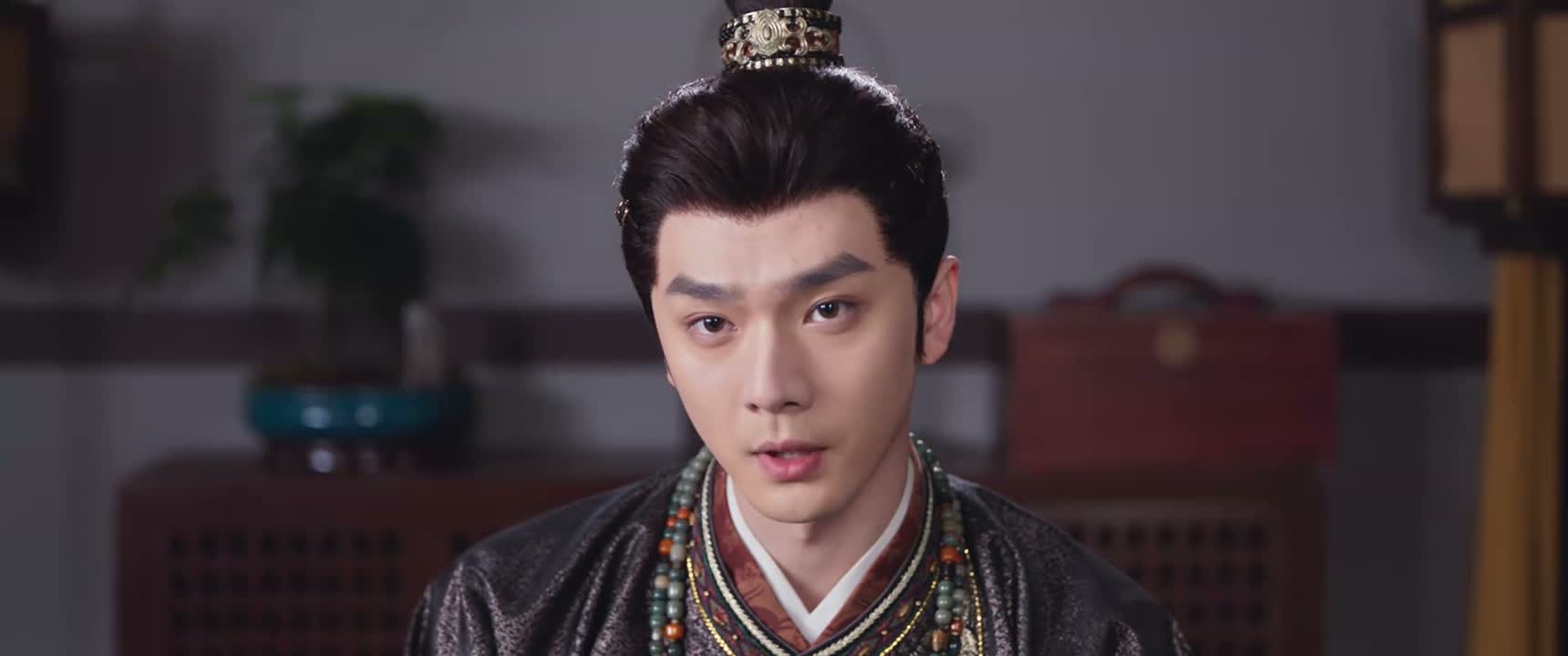 00:02
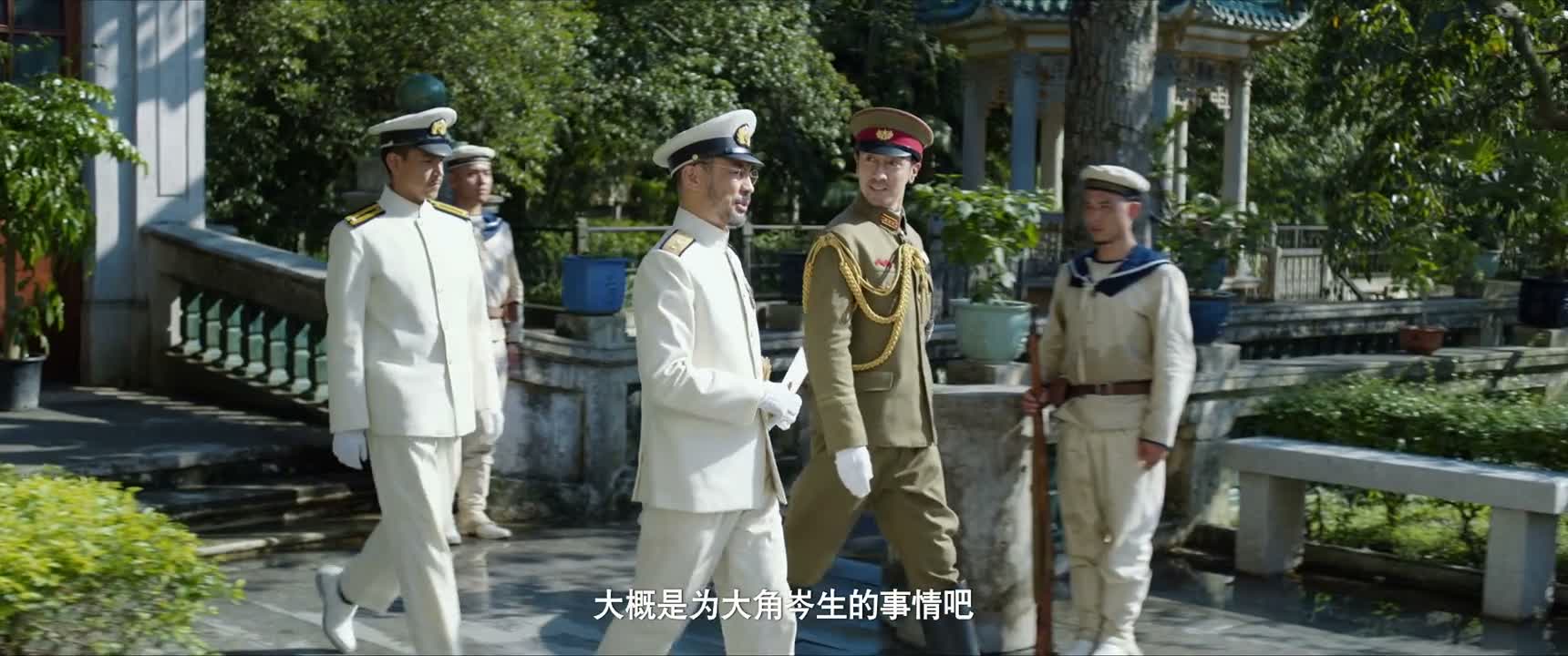 00:02
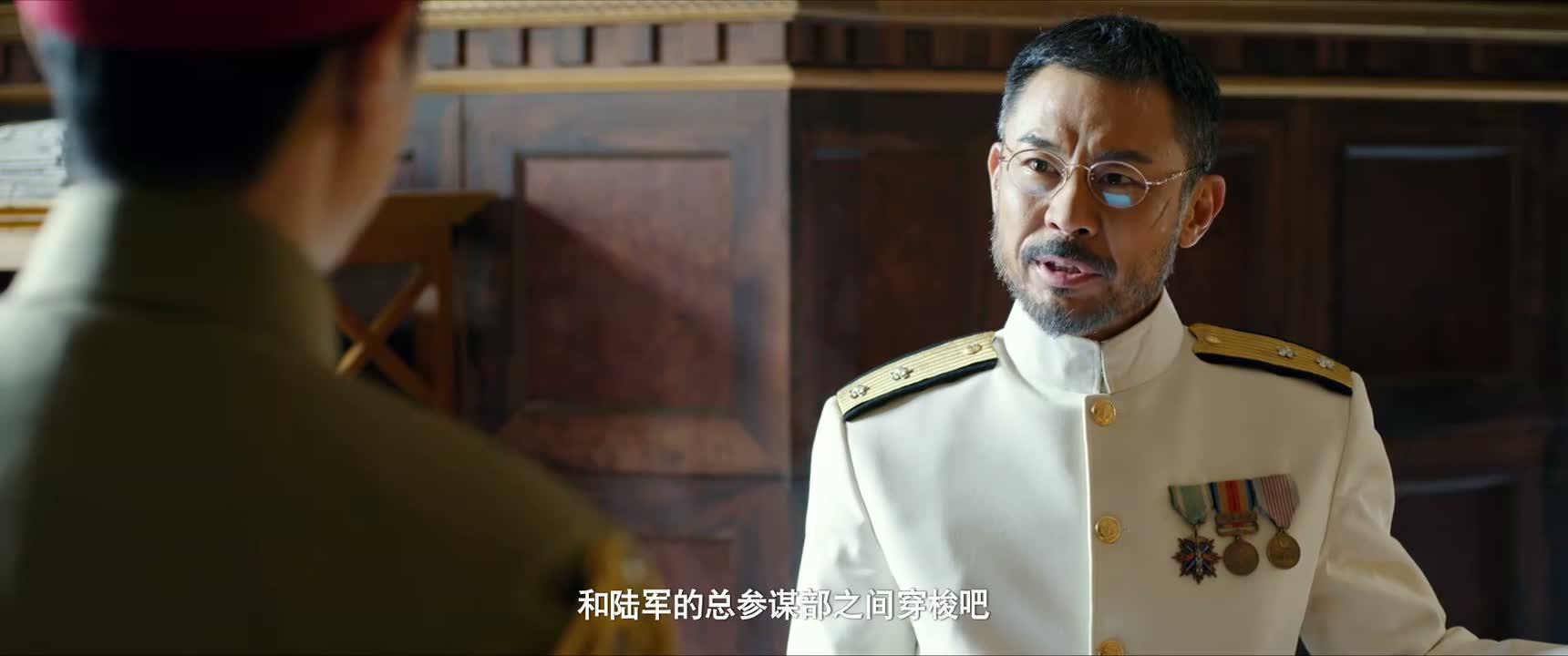 00:02
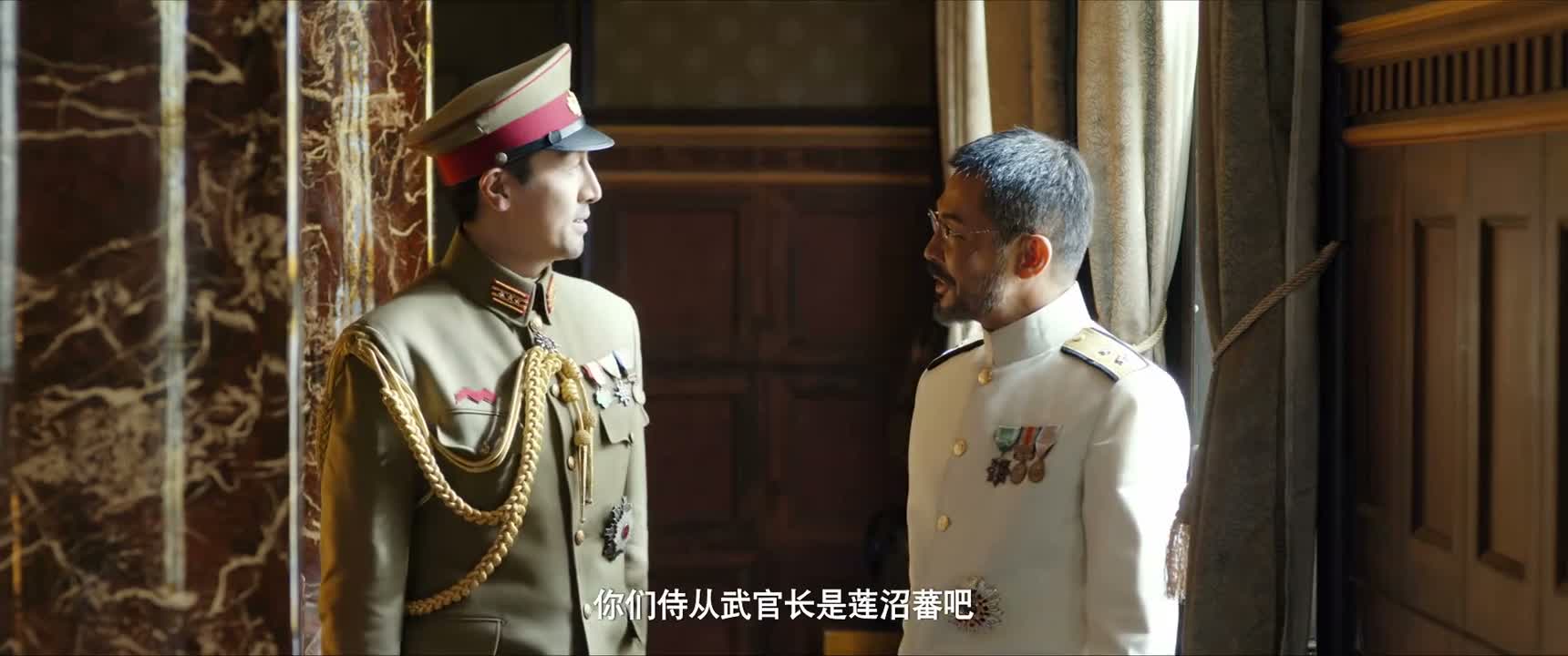 00:02
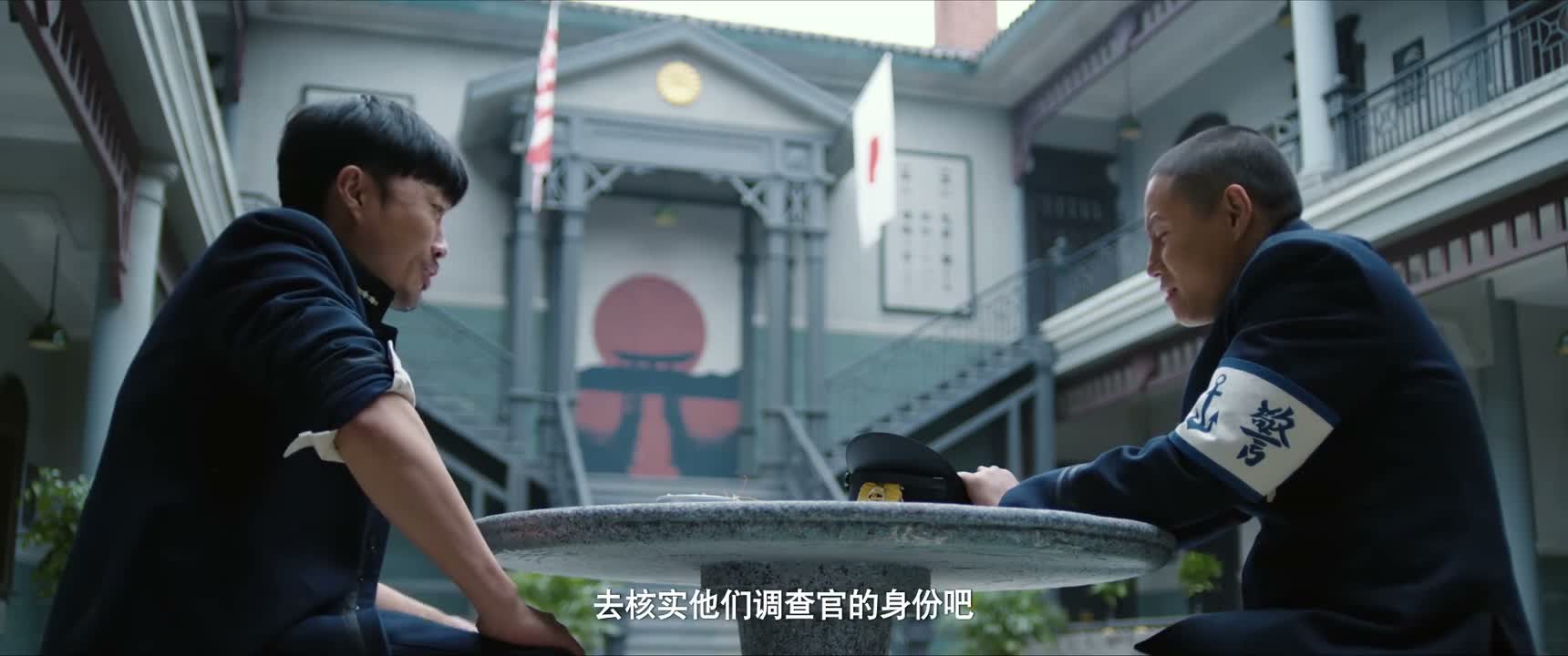 00:03
(给天皇陛下和首相阁下发电报) ── Previous context
“to verify their investigator's identity, can we?”
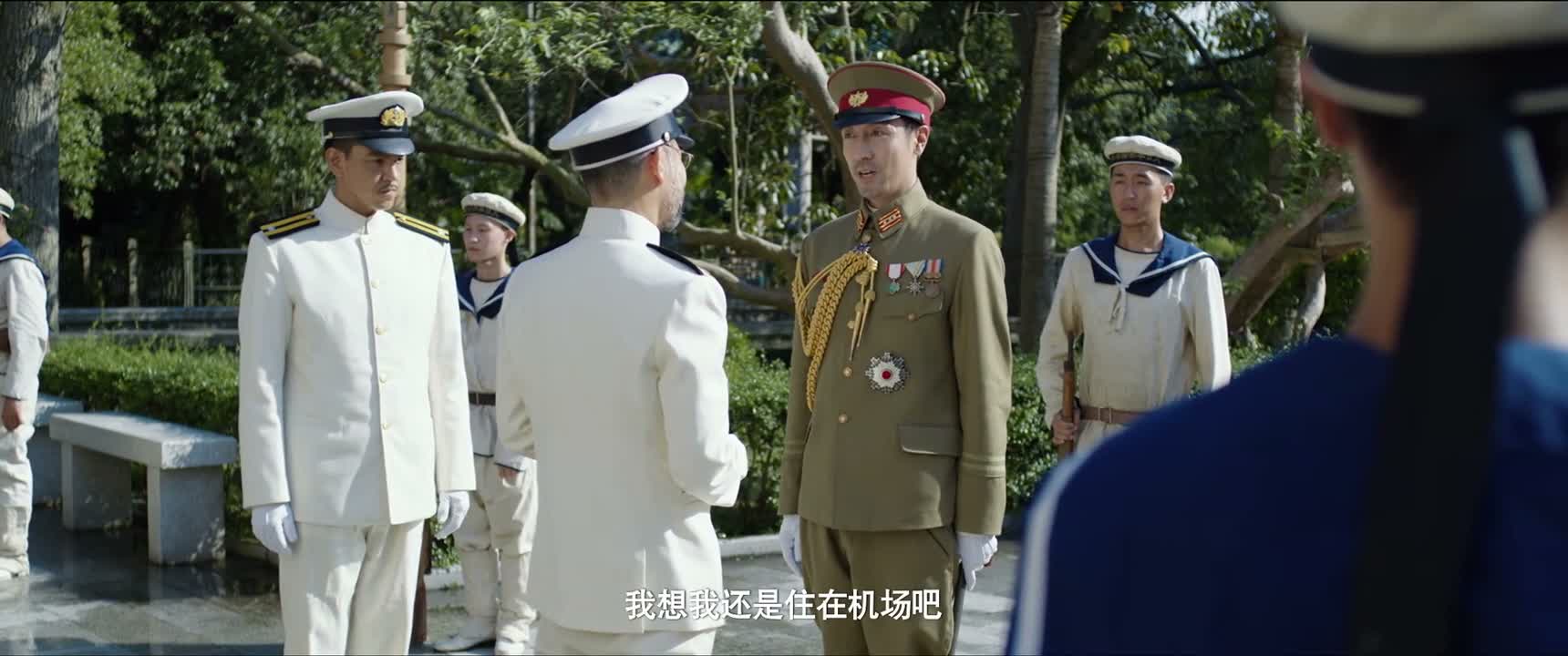 00:02
 00:02
 00:02
(一会就好了) ── Previous context
“You were distracted, right? What were you thinking about?”
[Variation: 否定劝阻式]
(7 clips) 00:02
(广才) ── Previous context
“Guangcai, those two scoundrels haven't given you trouble, have they?”
 00:02
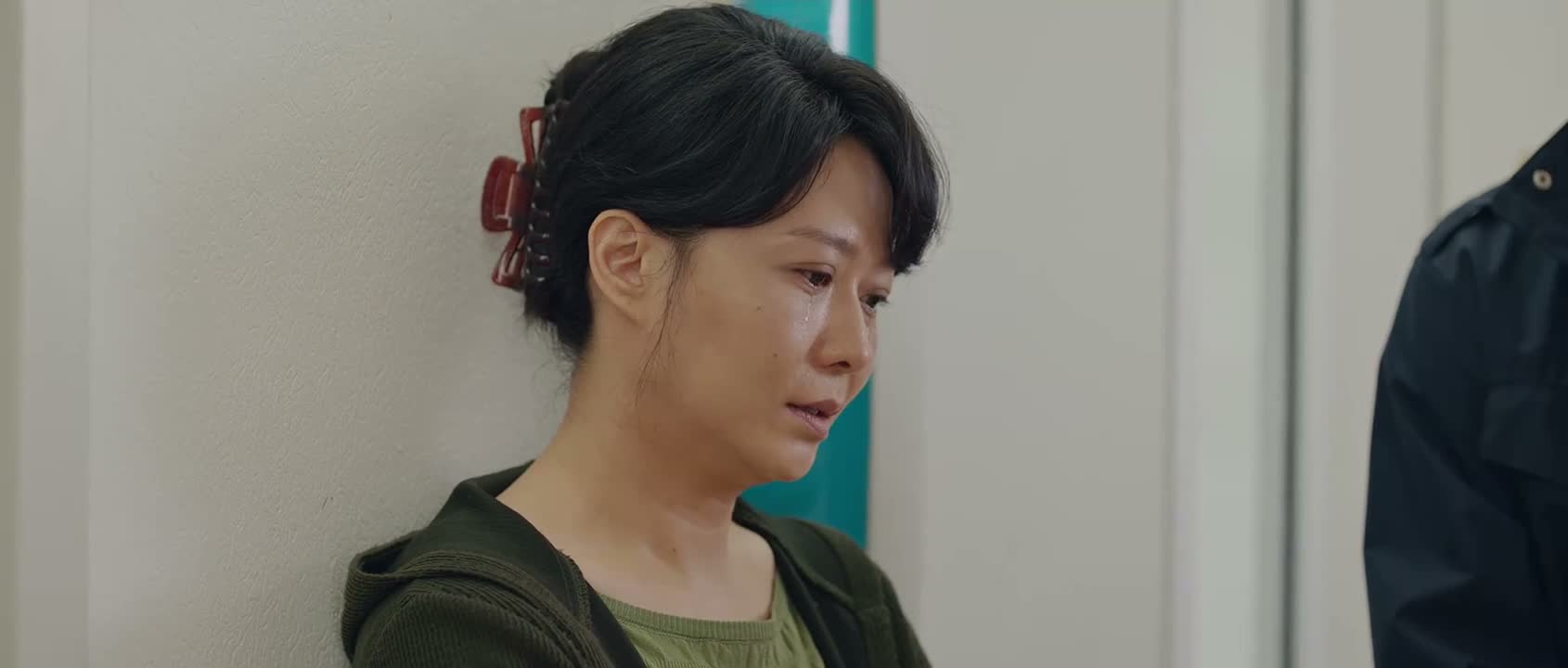 00:02
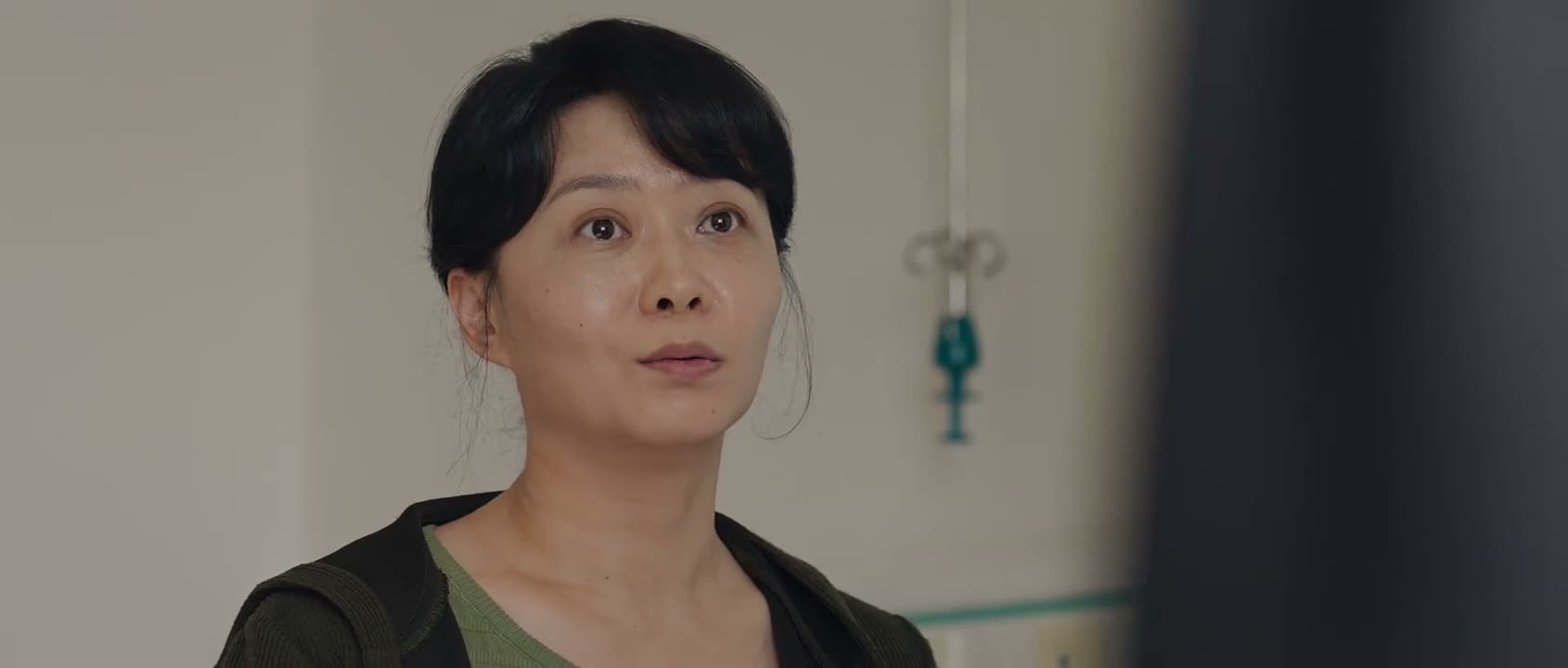 00:02
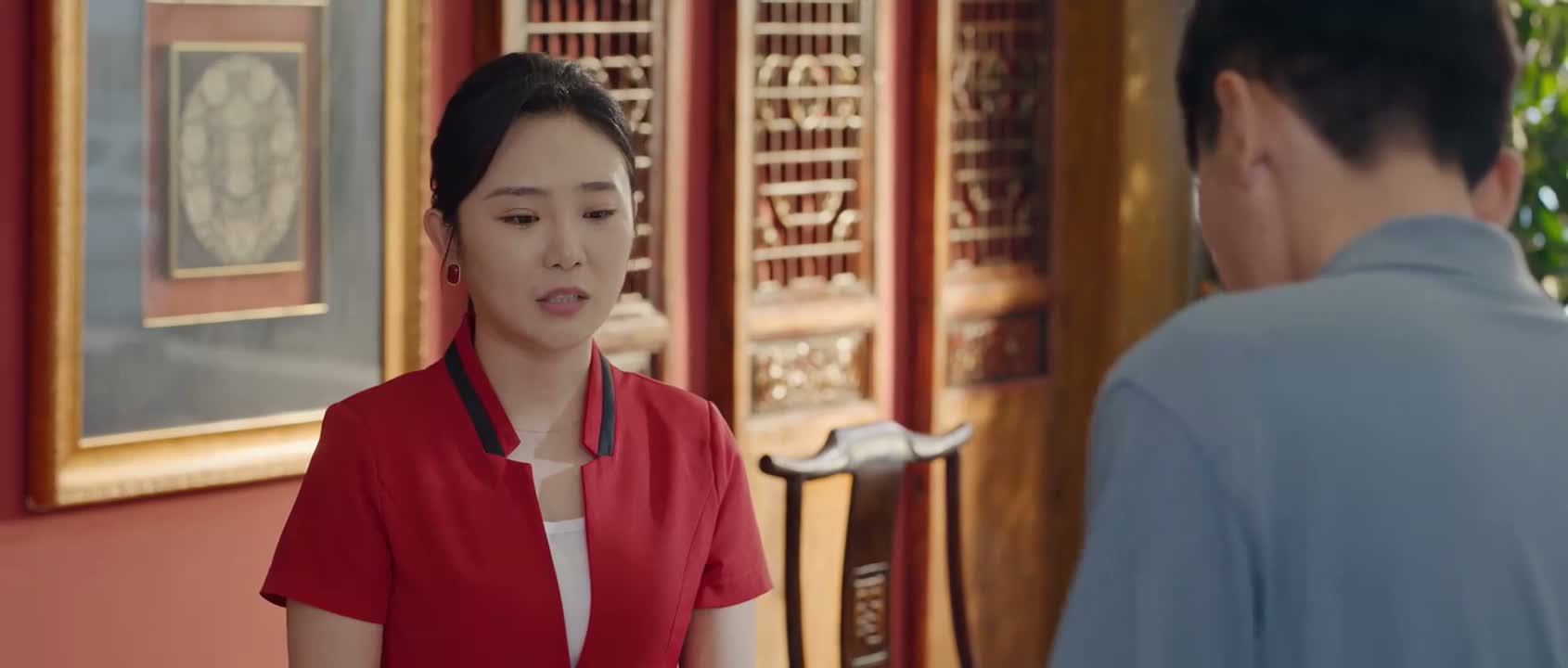 00:02
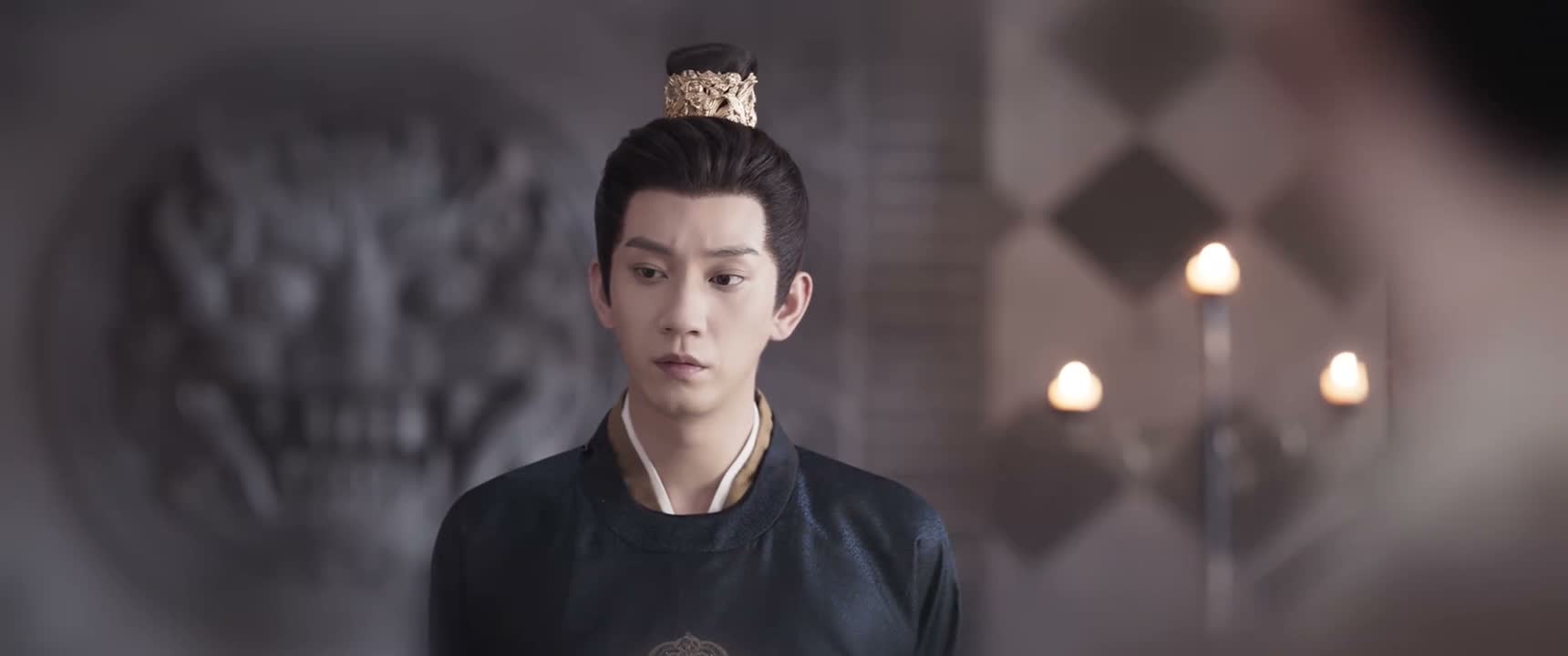 00:02
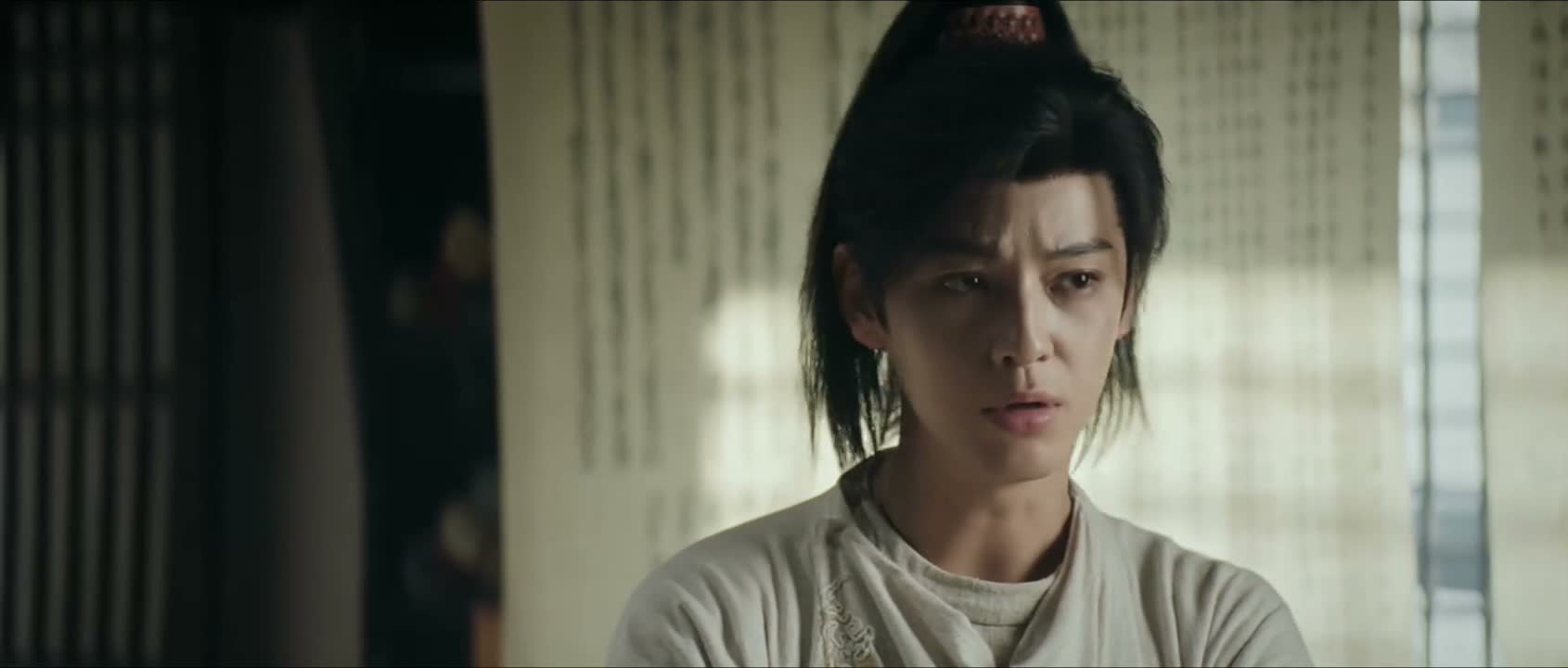 00:02
[Variation: 自我商量式]
(2 clips) 00:03
 00:02
📐 必须
→Nuance: 同向近义词根配对: [我们 ↔ 咱们]
📐 不用
→Nuance: 同为客套推辞且更通用
📐 不用
→Nuance: 完全相同的对白
📐 为什么...啊
→Nuance: 同指设备卡死失灵情境
📐 跟...似的
→Nuance: 同向近义词根配对: [商店 ↔ 店家]
📐 不会是...吧
→Nuance: 表达更笼统委婉的关心询问
📐 不会是...吧
→Nuance: 核心意图完全相同可直接互换
📐 不是...吗
→Nuance: 同指说谎,第三人称反问变体