怎么好让你让位子的呀
“How can we let you give your seat to the guest?”
THE DIALOGUE REEL
要不坐我这吧
“Why don't you take my seat?”
怎么好 让你让位子的呀
“How can we let you give your seat to the guest?”
身子要紧呀
“Your health is important.”
“You are very kind, but I feel guilty putting you at an inconvenience.”
In Chinese social interaction, it is customary to express hesitation and discomfort about troubling others before accepting their favors.
LEARNING CHUNKS & PARTICLES
how could one feel comfortable (doing something inconvenient to others)
Used as a standard formula for polite modesty when receiving help, gifts, or favors.
give up one's seat
Common everyday phrase used in public transit or waiting rooms.
Softens the rhetorical question to express genuine appreciation rather than sharp protest.
VOCABULARY & EXPRESSIONS
Parallel Spoken Cinema Scenes (语义近邻切片)

“but I can also get you a seat in the very front row, the most expensive section.”
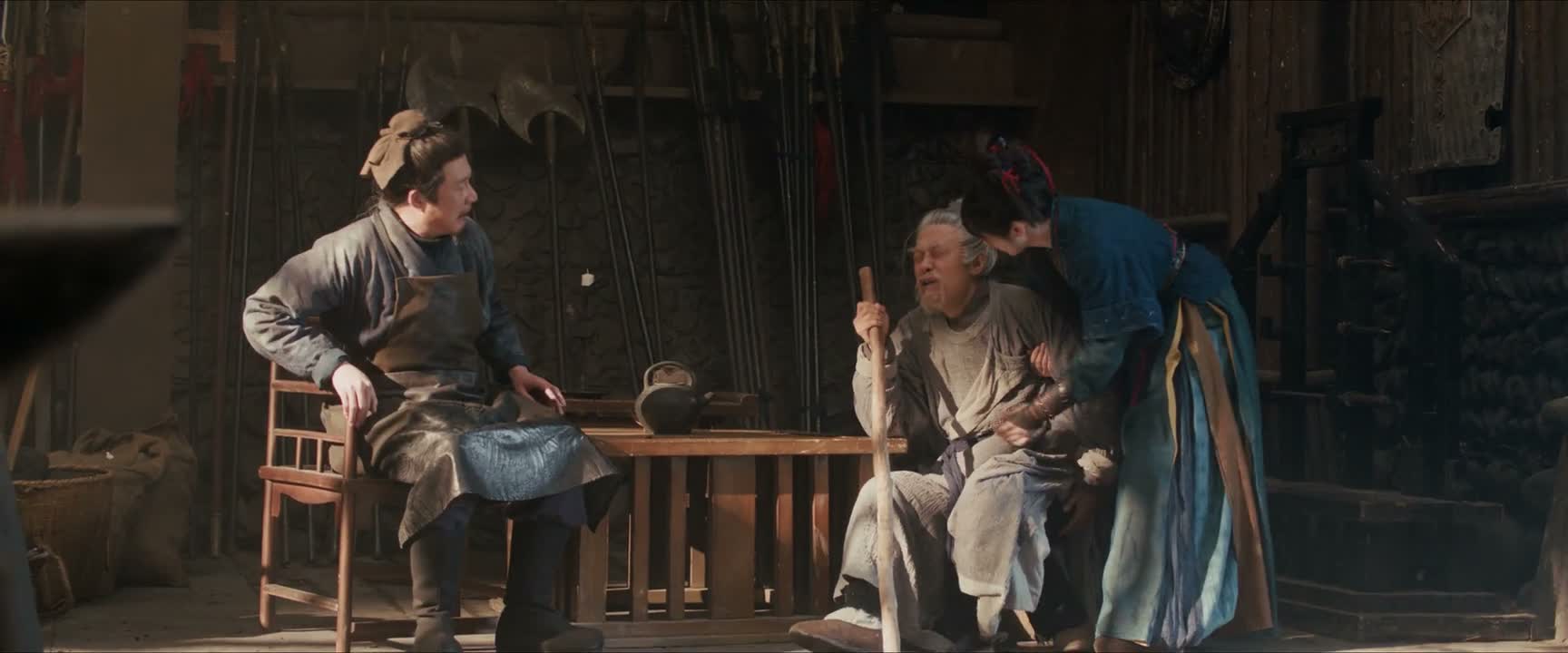
“Why did you let him sit on the chair”

“you must take that position!”
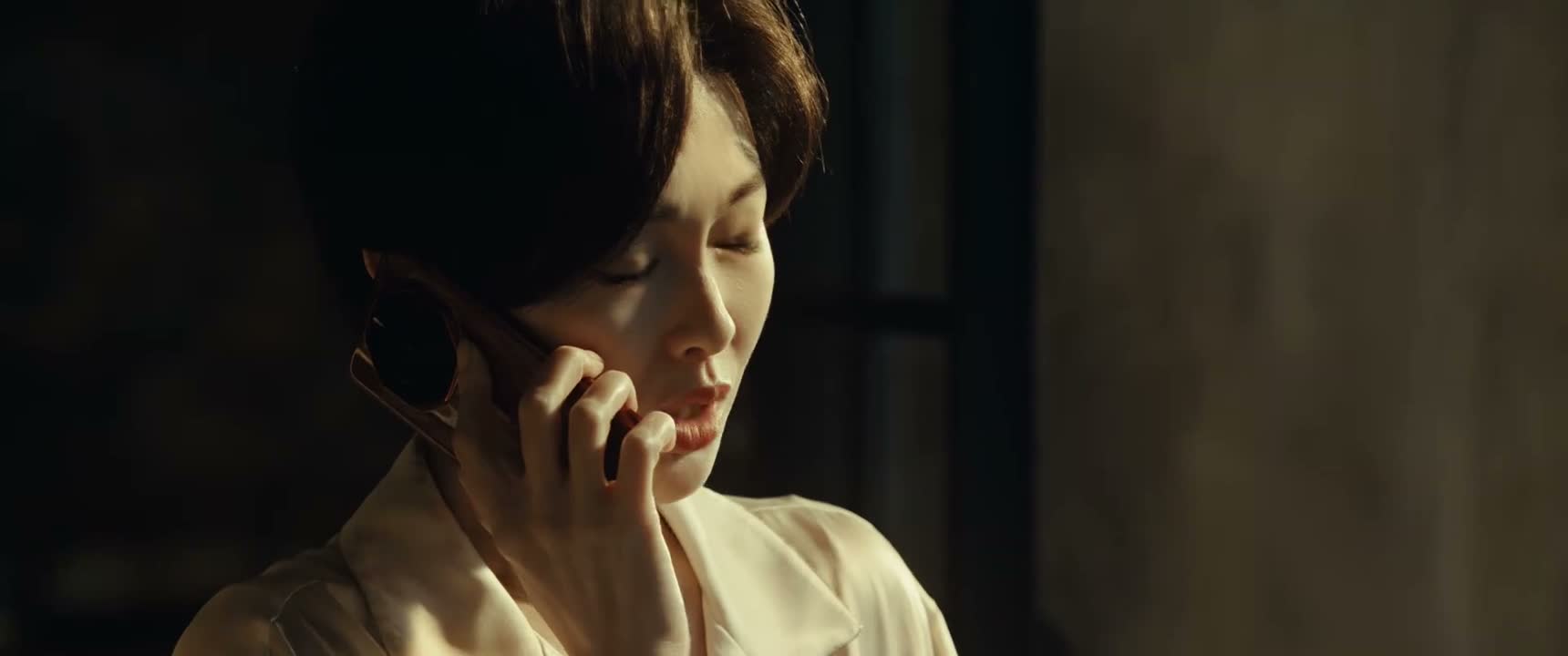
“But I hope you can be clear about your position”
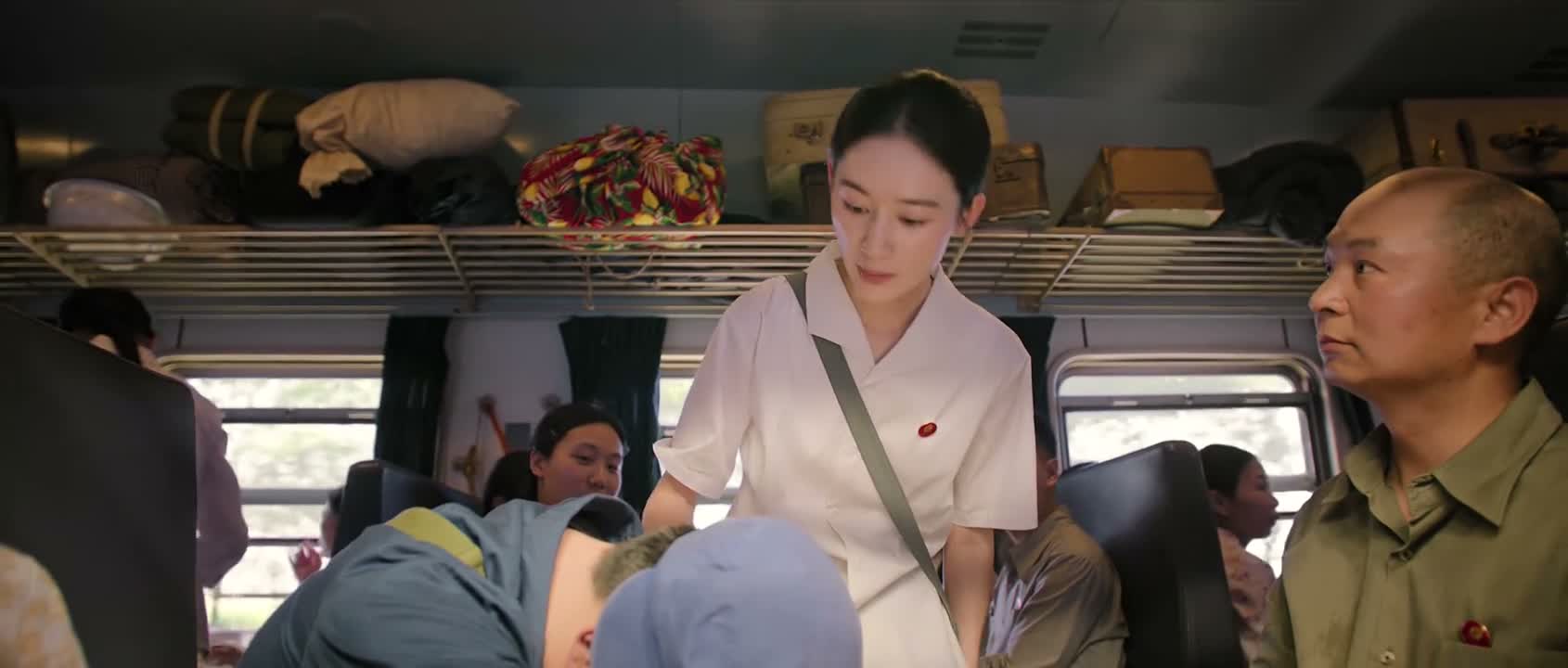
“Please move. That's my seat.”
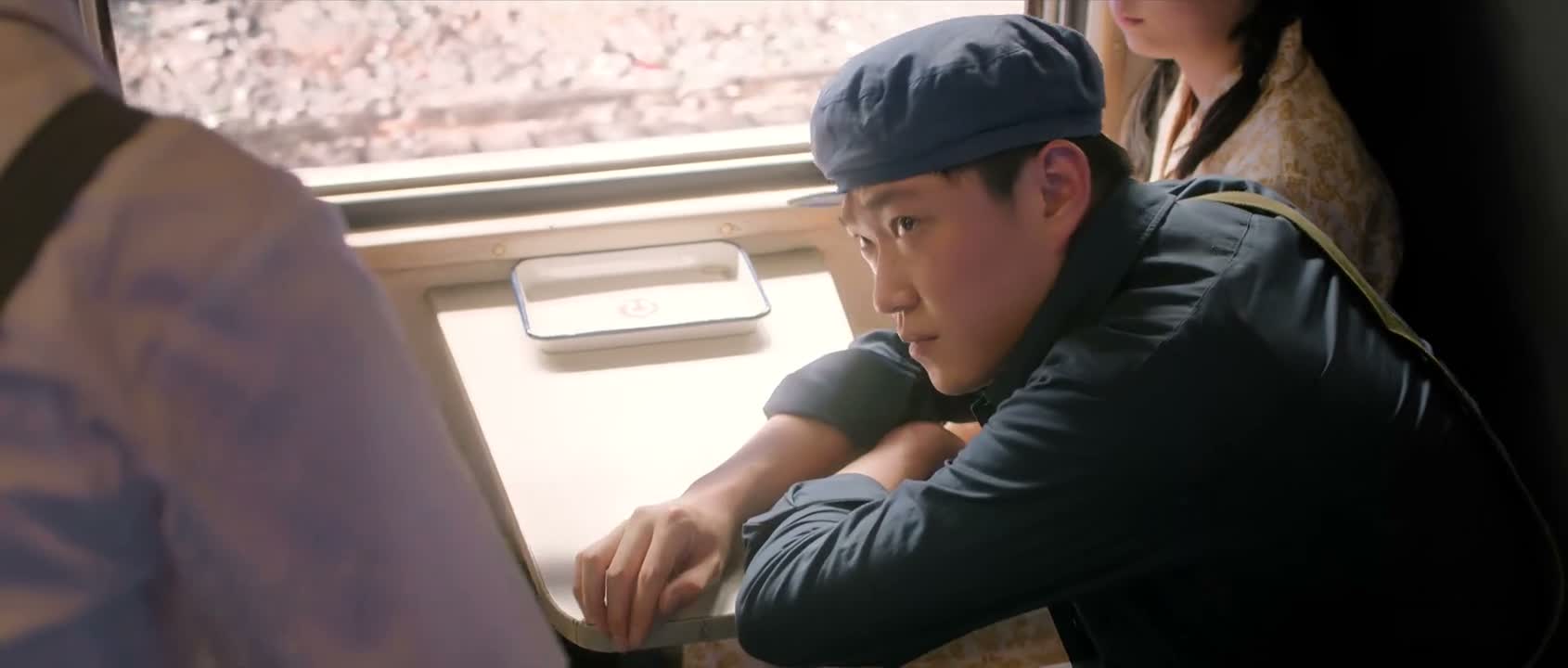
“Hello, that's my seat.”