我本应当先去看望他
“I should've checked on him first,”
THE DIALOGUE REEL
武安侯也受伤了
“The Marquis of Wu'an is also injured.”
我本 应当 先去 看望他
“I should've checked on him first,”
但我还是先来看你了
“yet I came here instead”
“Convention required me to go elsewhere, but you matter far more to me than duty.”
In traditional Chinese relational dynamics, knowingly breaching orthodox social etiquette ('li') specifically to care for someone is considered the ultimate romantic gesture of devotion ('qing').
LEARNING CHUNKS & PARTICLES
originally should have; ought to have
Used to frame an expected protocol, obligation, or default situation before introducing an intentional exception.
to visit and look after (someone who is ill or injured)
Specifically denotes visiting someone out of care, concern, or convalescence.
VOCABULARY & EXPRESSIONS
Parallel Spoken Cinema Scenes (语义近邻切片)

“I should have known that”

“I should've anticipated his next move.”

“Well, I should have discussed it with you beforehand. But...”

“I should have come to see you sooner.”
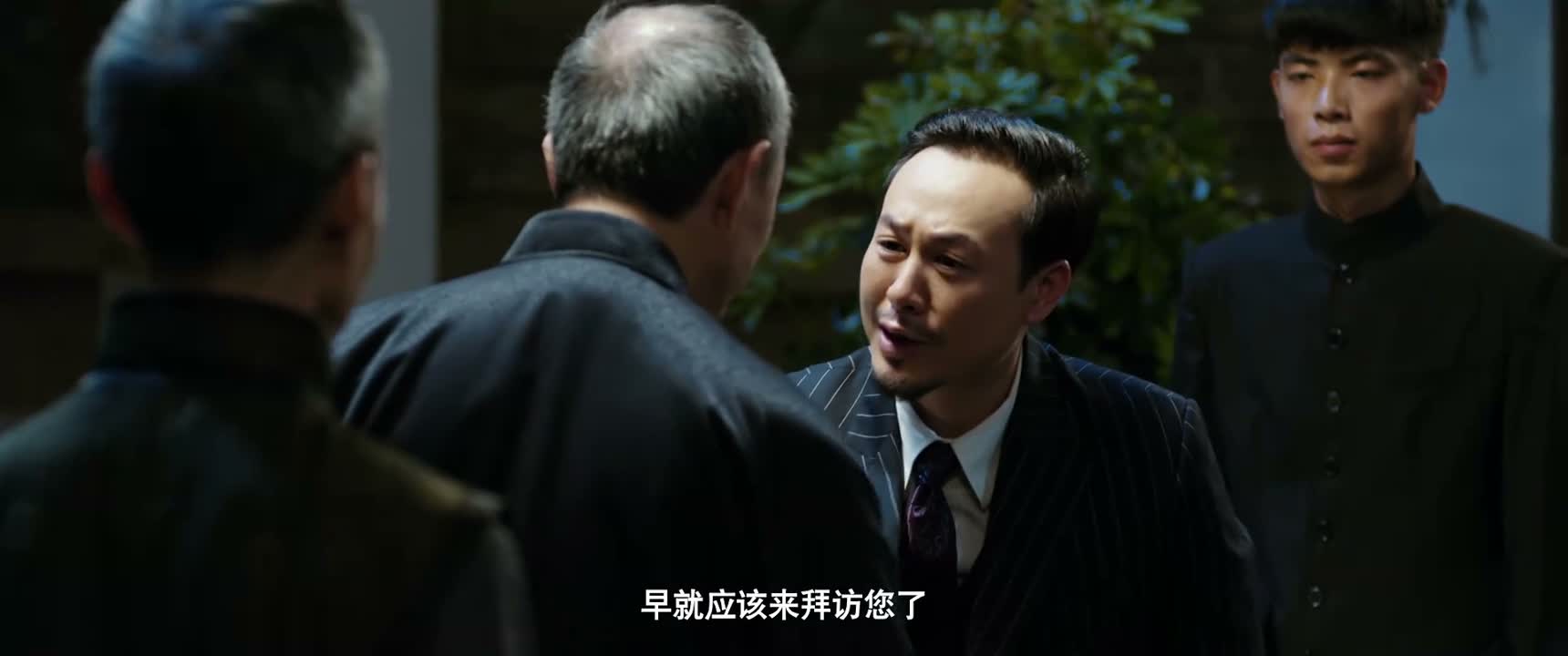
“I should have come to pay my respects long ago”

“I should have come to see you sooner.”
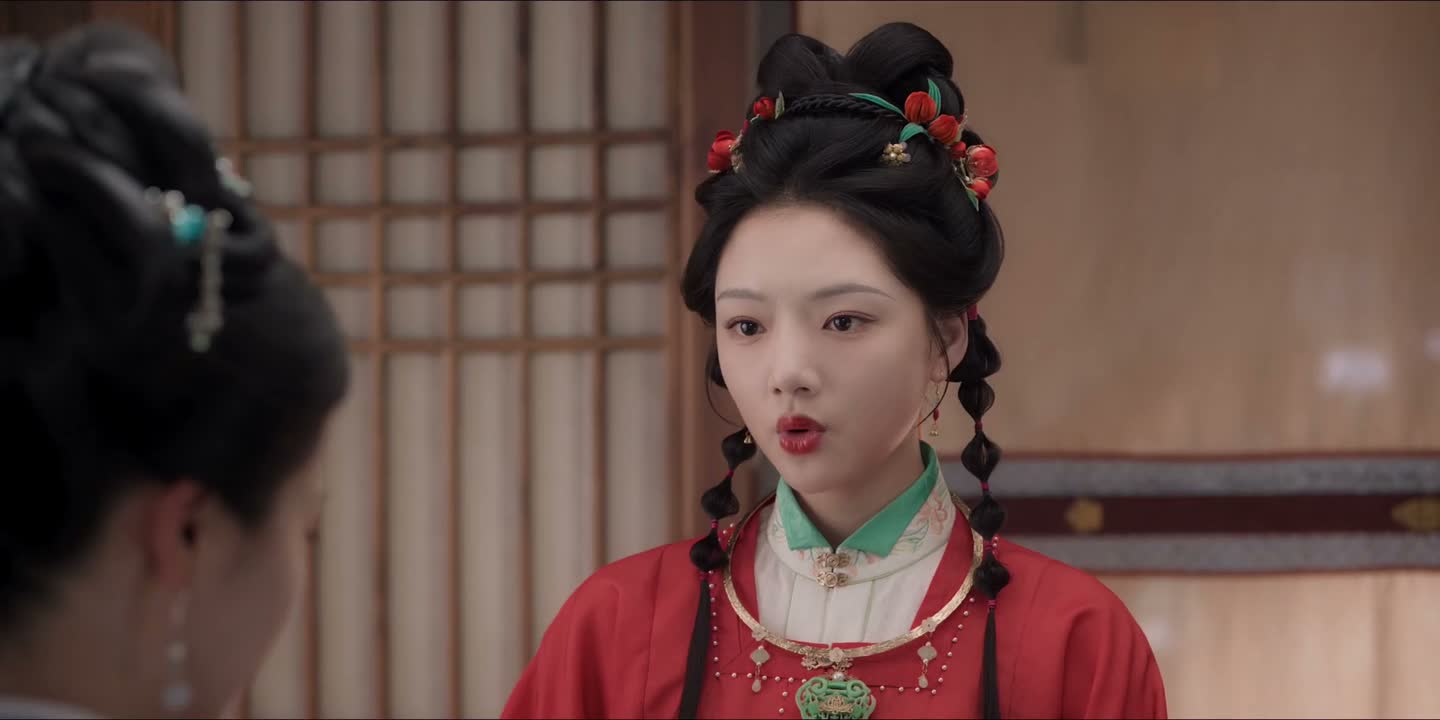
“so he asked me to visit you.”

“he shouldn't be so indifferent to his whereabouts.”