能不能动动脑筋啊
“Can you use your brain?”
THE DIALOGUE REEL
那不是更大的罪过了吗
“Wouldn't that be an even greater crime?”
能不能 动动脑筋 啊
“Can you use your brain?”
我们询问过
“We questioned the two people most closely related to Yu Susu.”
“Stop being so foolish and think through the facts properly.”
In high-stress professional environments, superiors frequently use blunt rhetorical questions to push subordinates toward sharper performance.
LEARNING CHUNKS & PARTICLES
can you / can't you
Commonly used in rhetorical questions to express impatience or issue an urgent demand.
use one's brain; think hard
Idiomatic colloquial expression for exercising critical thinking or problem-solving skills.
Heightens the urgency and exasperation behind the rhetorical question.
VOCABULARY & EXPRESSIONS
Parallel Spoken Cinema Scenes (语义近邻切片)
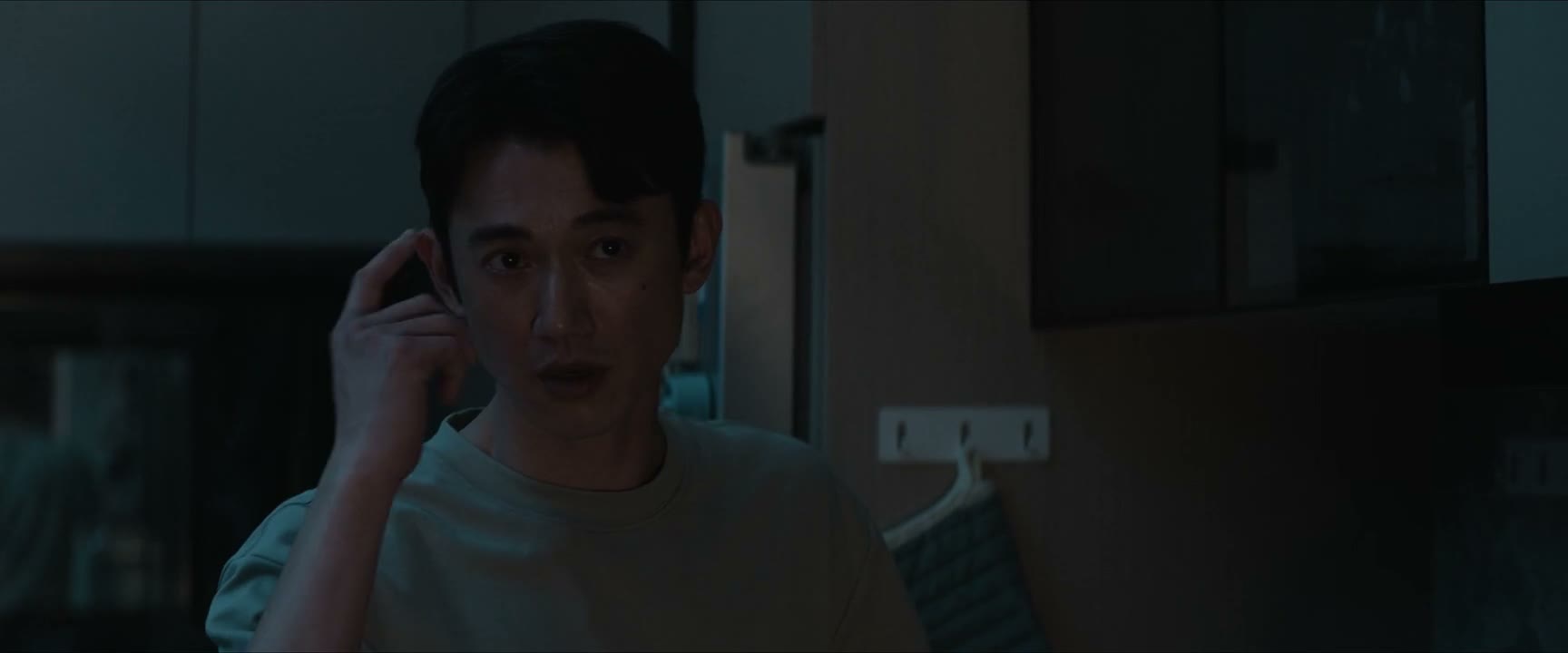
“At least use your brain.”

“Use your brain!”

“can't you use your head?”
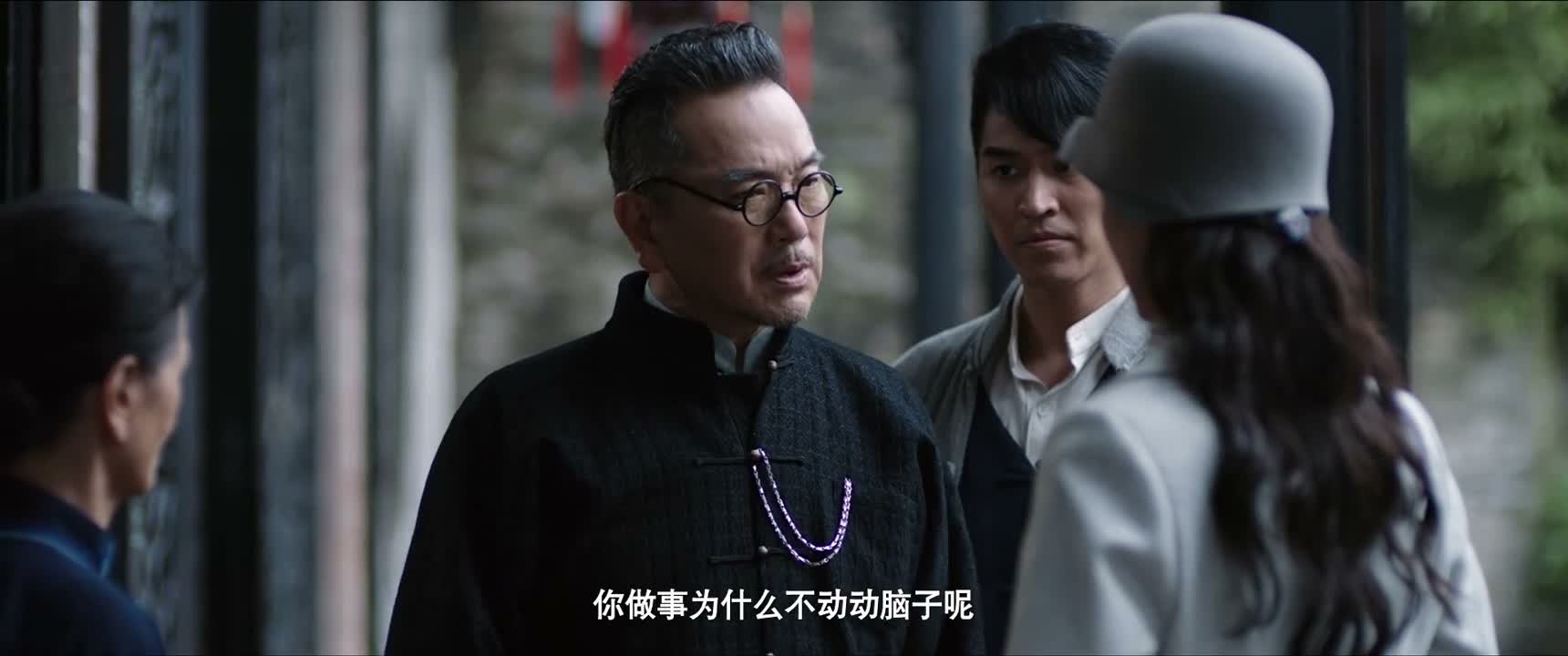
“Why don't you think before you act?”

“Can't you, just for once, use your brain to think?”