你死了一了百了
“You think death can end all the pain.”
THE DIALOGUE REEL
“You're a coward. You are so weak!”
你死 了 一了百了
“You think death can end all the pain.”
你有想过你的家人吗
“But have you ever thought about your family?”
“Dying is the easy way out for you, but you are leaving all the mess and grief for everyone else.”
In Chinese moral thinking, ending one's life is often viewed not merely as a tragedy, but as an irresponsible abandonment of one's familial duty to support and care for the household.
LEARNING CHUNKS & PARTICLES
all problems end once and for all; everything is settled by one clean sweep
Frequently used when talking about extreme measures like death or drastic choices that erase problems, often carrying a critical or cautionary tone.
Functions as part of the idiomatic phrase and indicates the total, irreversible change of state upon death.
VOCABULARY & EXPRESSIONS
Parallel Spoken Cinema Scenes (语义近邻切片)

“I should have just died.”
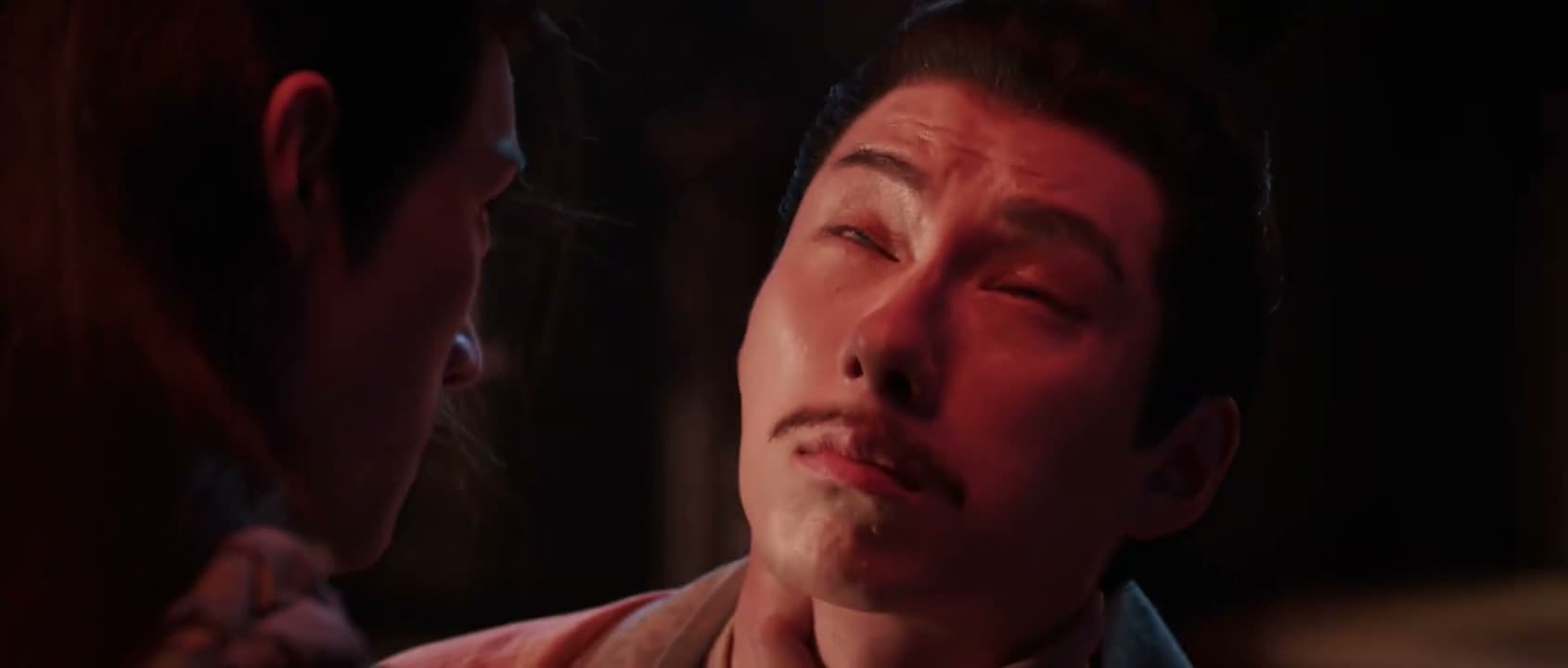
“You deserve the most tragic end.”

“We'll go down together.”

“You'll end up miserable.”

“could get me killed a hundred times over?”

“I'm so pissed.”