来不及了 宫老师
“Too late for that, Mr. Gong.”
THE DIALOGUE REEL
还来得及吗
“"Boss Jiang" now?”
来不及了 宫老师
“Too late for that, Mr. Gong.”
你跟小贝什么时候认识的
“When did you meet Bei?”
“You missed your chance; things have already changed beyond repair.”
In modern Chinese society, 'Laoshi' is widely used beyond schools as a polite, respectful title for professionals, mentors, or anyone with expertise.
LEARNING CHUNKS & PARTICLES
it's too late; there's not enough time
Used when a deadline has passed or an event is already irreversible, in contrast to '来得及' (still in time).
Indicates a change of state, emphasizing that the situation has now crossed the point of no return.
VOCABULARY & EXPRESSIONS
Parallel Spoken Cinema Scenes (语义近邻切片)

“If we don't leave now, it'll be too late!”

“I'm afraid we won't make it on time.”

“it'll be too late. It's over.”

“It's too late,”
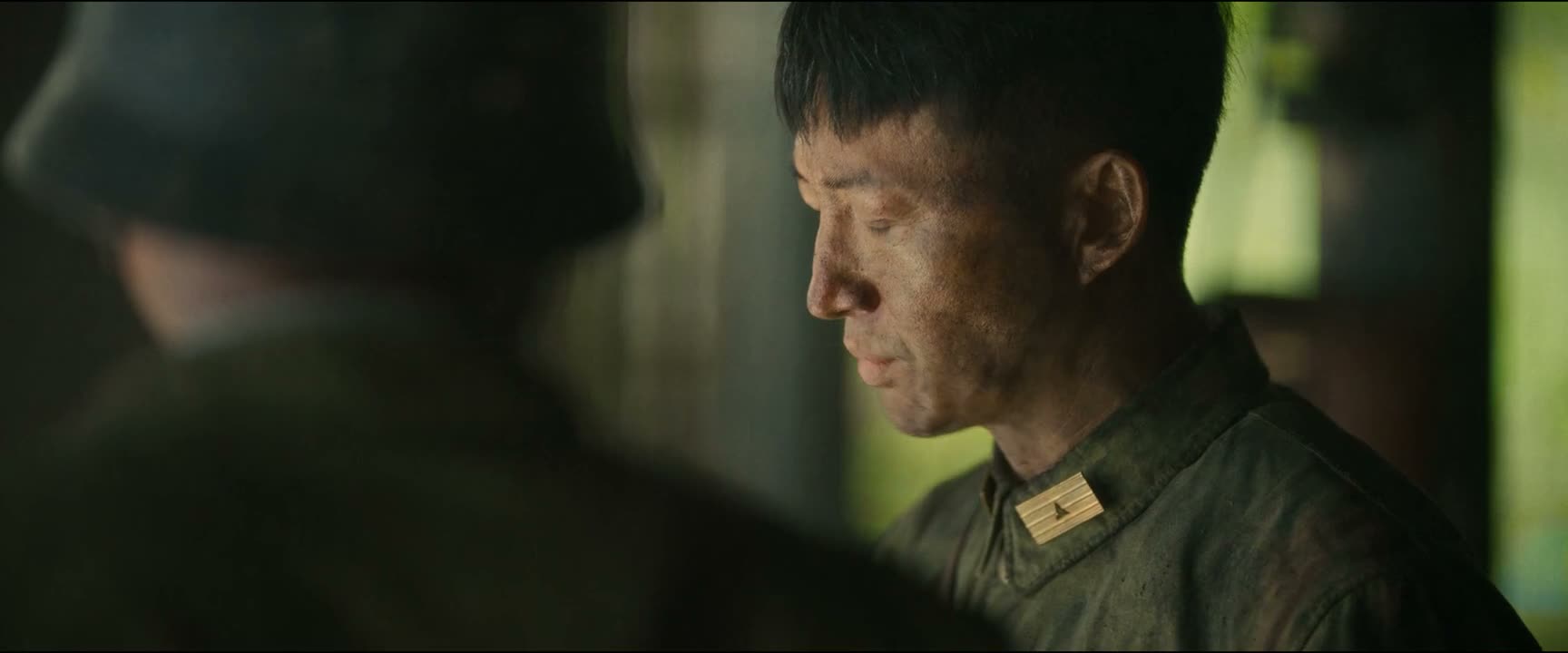
“It's too late.”
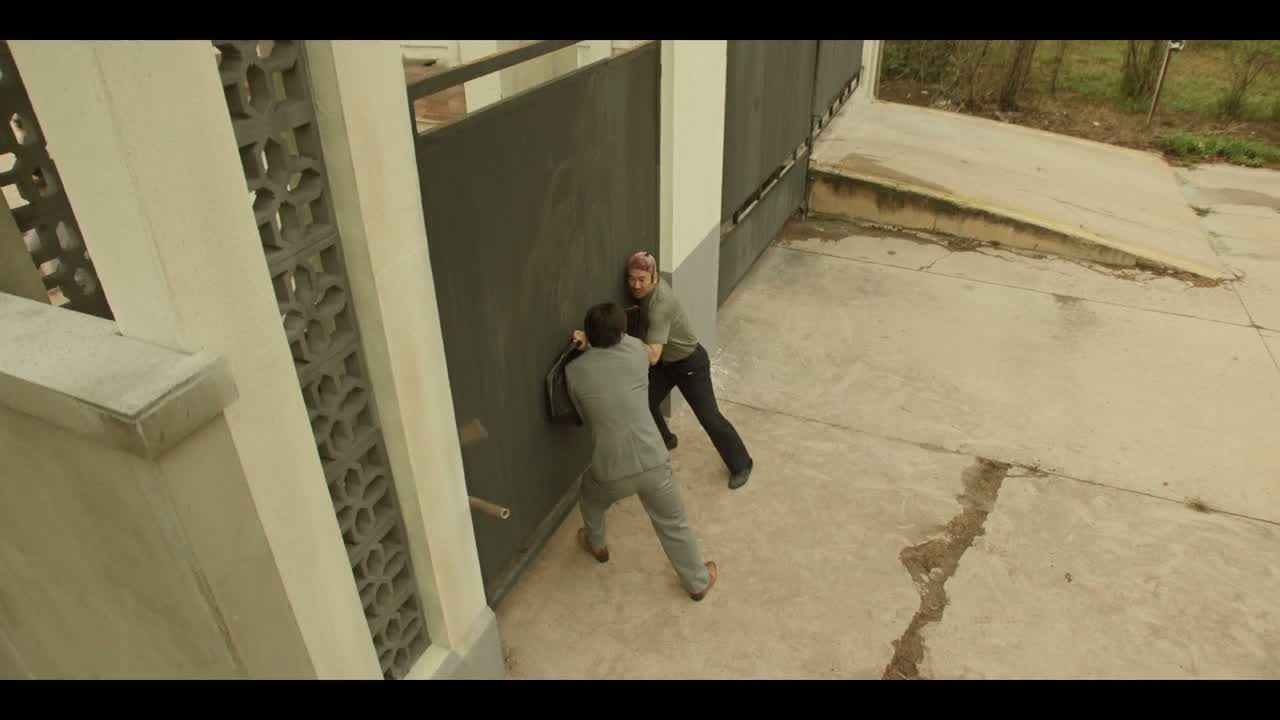
“Too late. We don't have time. Qingsong.”

“I know it's too late now. What a pity.”
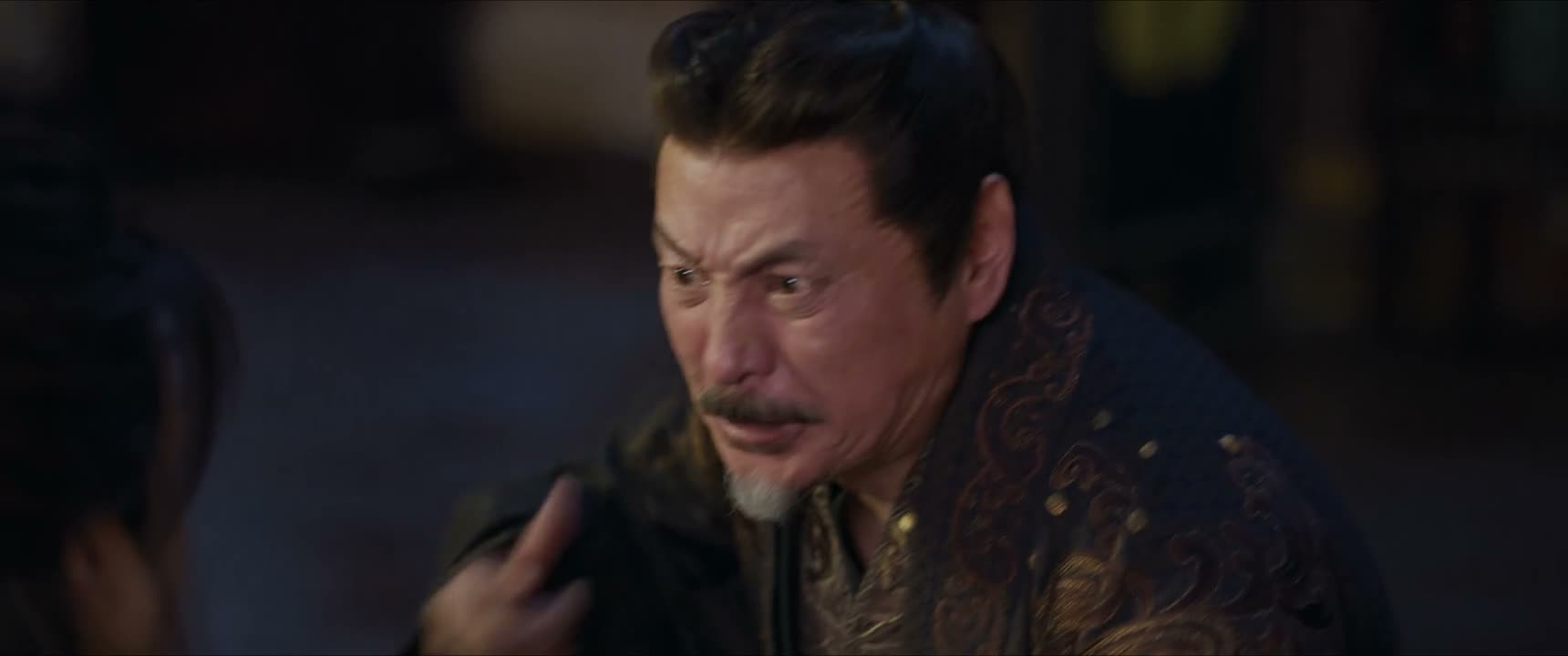
“It's too late!”

“if we delay any longer. I'm begging you.”
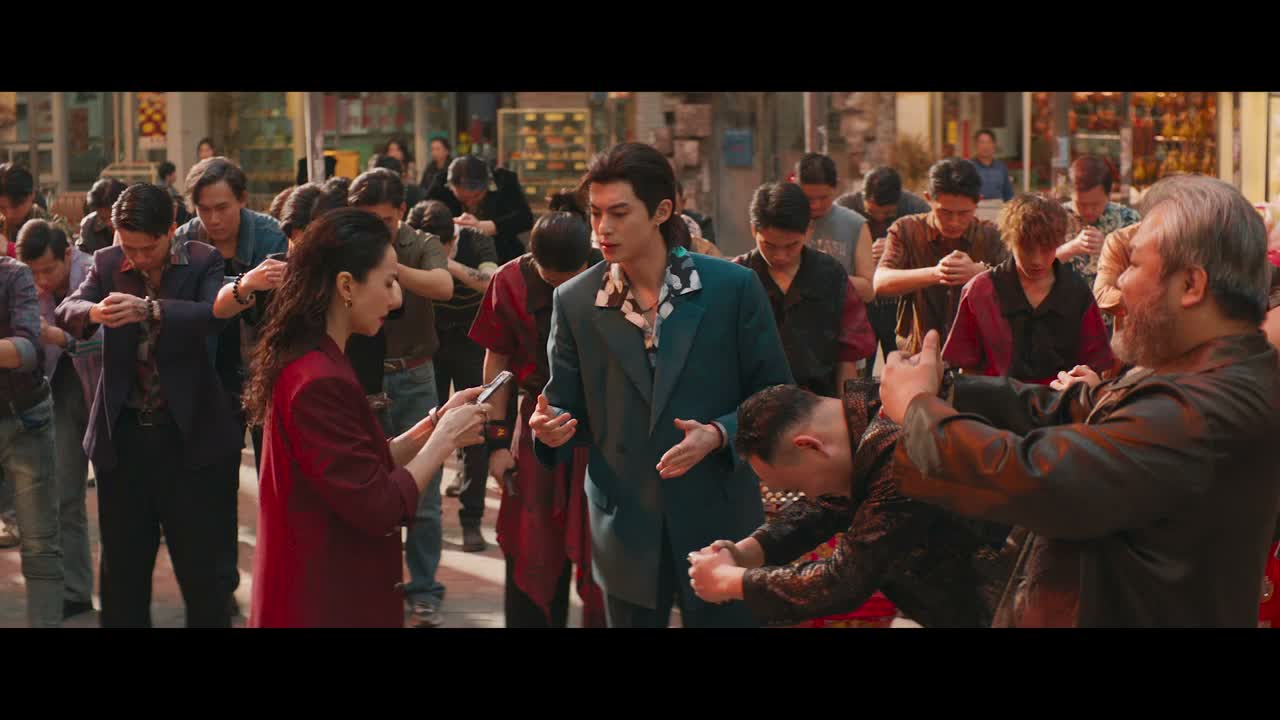
“There's no time. Kill him and push him out!”
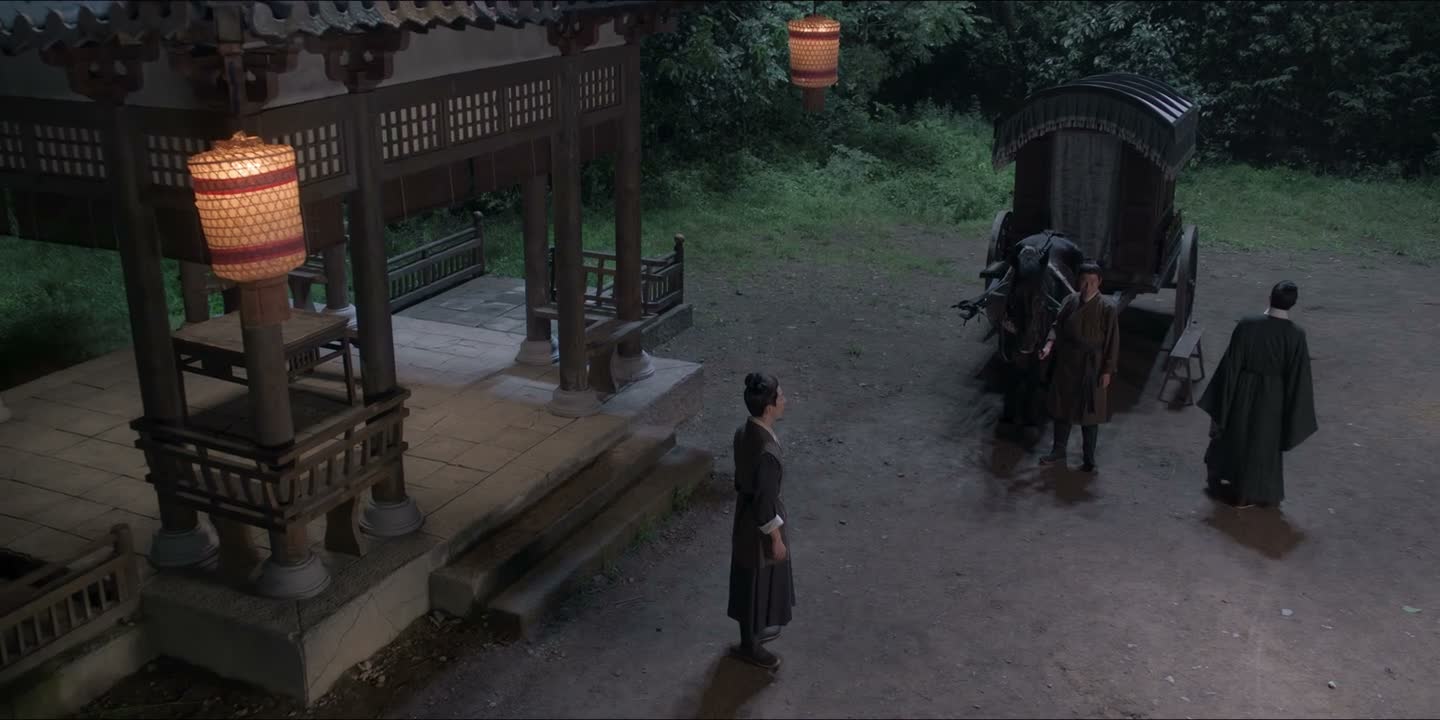
“to regret it now.”

“No time, hurry up.”

“It's too late, Cousin. They will quickly clean up the evidence and escape.”
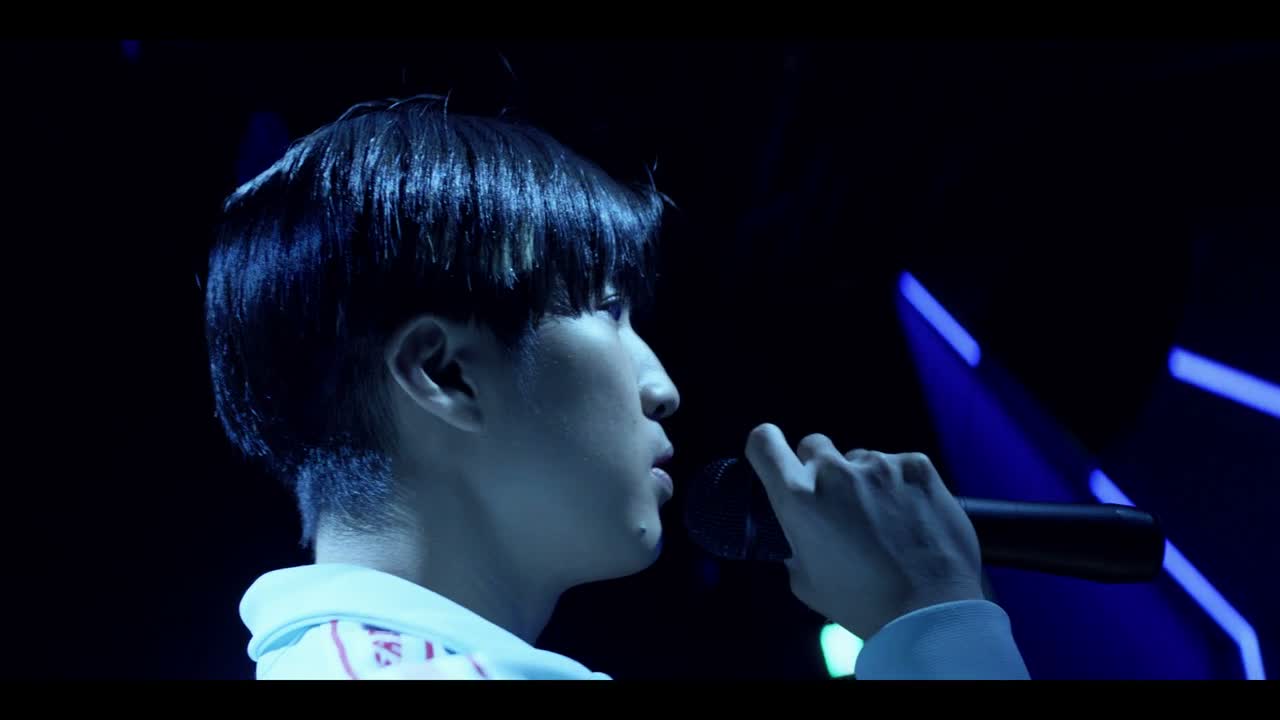
“[fan 22] You're too late, bro!”

“It's too late for you to know that now.”

“We won't make it. Wait a moment! Hurry up.”