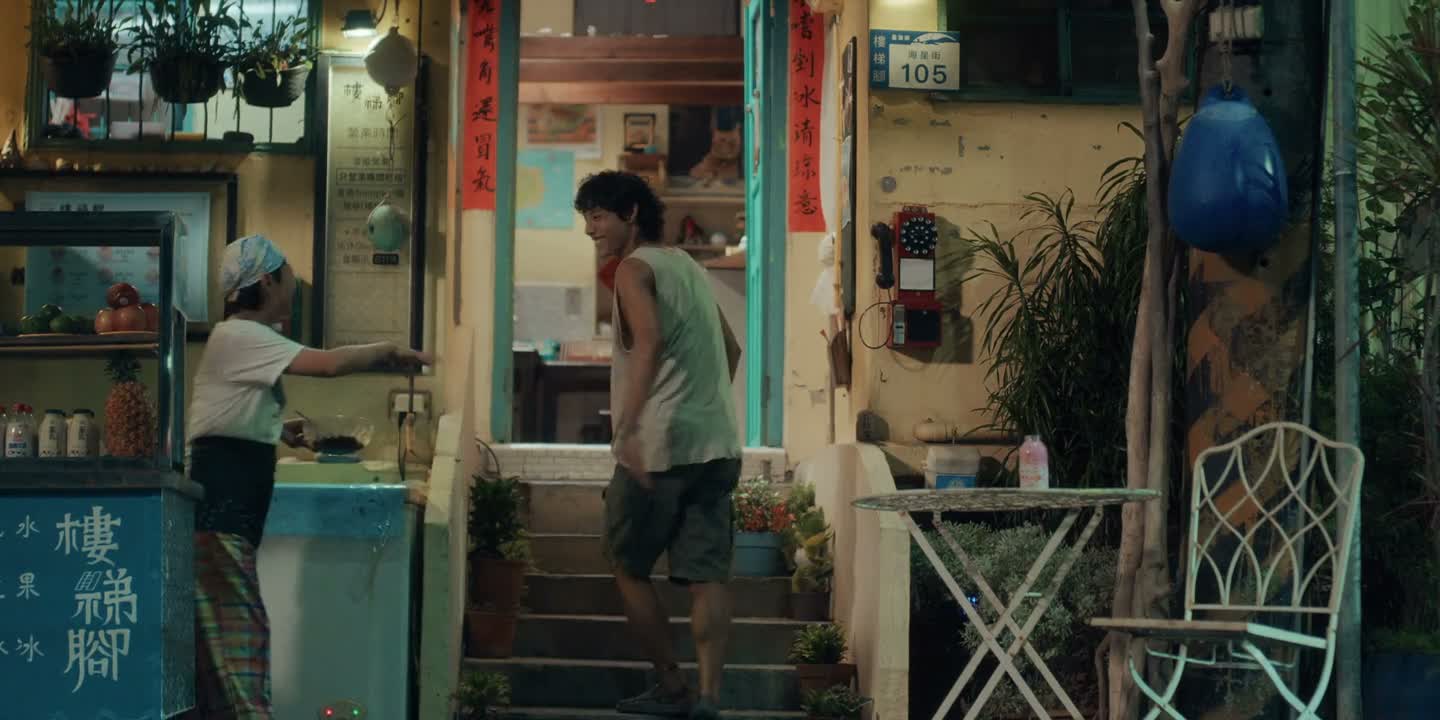
《Dog Man》 S1·E10 (41:15)
HSK 6
- méi shì méi shì la - shì tā zì jǐ diē dǎo de la
- 没事 没事啦 - 是他自己跌倒的啦
“- It's fine. Let it go. - He tripped on his own.”
《Dog Man》
S1·E10
TIMECODE: 41:15
·
1080P MASTER AUDIO
THE DIALOGUE REEL
[-1] PREVIOUS TURN
nǐ tuī rén huán gěi wǒ zài nà biān
你推人还给我在那边
“You push him and then act…”
- méi shì méi shì la - shì tā zì jǐ diē dǎo de la
CURRENT FOCUS
- 没事 没事 啦 - 是 他 自己 跌倒 的 啦
“- It's fine. Let it go. - He tripped on his own.”
[+1] FOLLOW-UP TURN
- nǐ yǒu zhǒng zài shuō yī cì nǐ zhè shén me tài dù ? - méi shì
- 你有种再说一次 你这什么态度? - 没事
“Say that again. Go on.”
Subtitles synced to millisecond timecode
Browse Show Clips →
Scene:
Crisis & Conflict
Function:
DENYING RESPONSIBILITY
Tone:
DISMISSIVE
Emotion:
DEFENSIVENESS
WHAT THEY REALLY MEAN (PRAGMATIC SUBTEXT)
“Don't blame me, I did not push him—he just fell down on his own!”
💡 Cultural Insight: Diffusing Blame in Public Altercations
In public conflicts, parties often attempt to frame accidents as self-inflicted to avoid legal accountability or the intervention of bystanders.
INTENT TAGS:
#deflection
#denial
#minimization
#de-escalation
🧩
2 CHUNKS · 1 PARTICLES
LEARNING CHUNKS & PARTICLES
没事
SPOKEN CHUNK
it's nothing; no problem; don't worry about it
A standard formulaic phrase used either to dismiss concerns or to de-escalate sudden conflict.
自己跌倒
SPOKEN CHUNK
to fall down by oneself
Commonly used when attributing cause to an accident rather than an intentional act.
Modal Particle「啦」 (la)
CHANGE OF STATE
Softens the assertion while adding an impatient or urge-to-dismiss undertone.
🏮
2 EXPR · 2 GRAMMAR
VOCABULARY & EXPRESSIONS
COLLOQUIAL EXPRESSIONS:
CROSS-CINEMA CORPUS BOARD · PARALLEL SCENES
EXPLORE BY SEMANTIC SIMILARITY
Parallel Spoken Cinema Scenes (语义近邻切片)
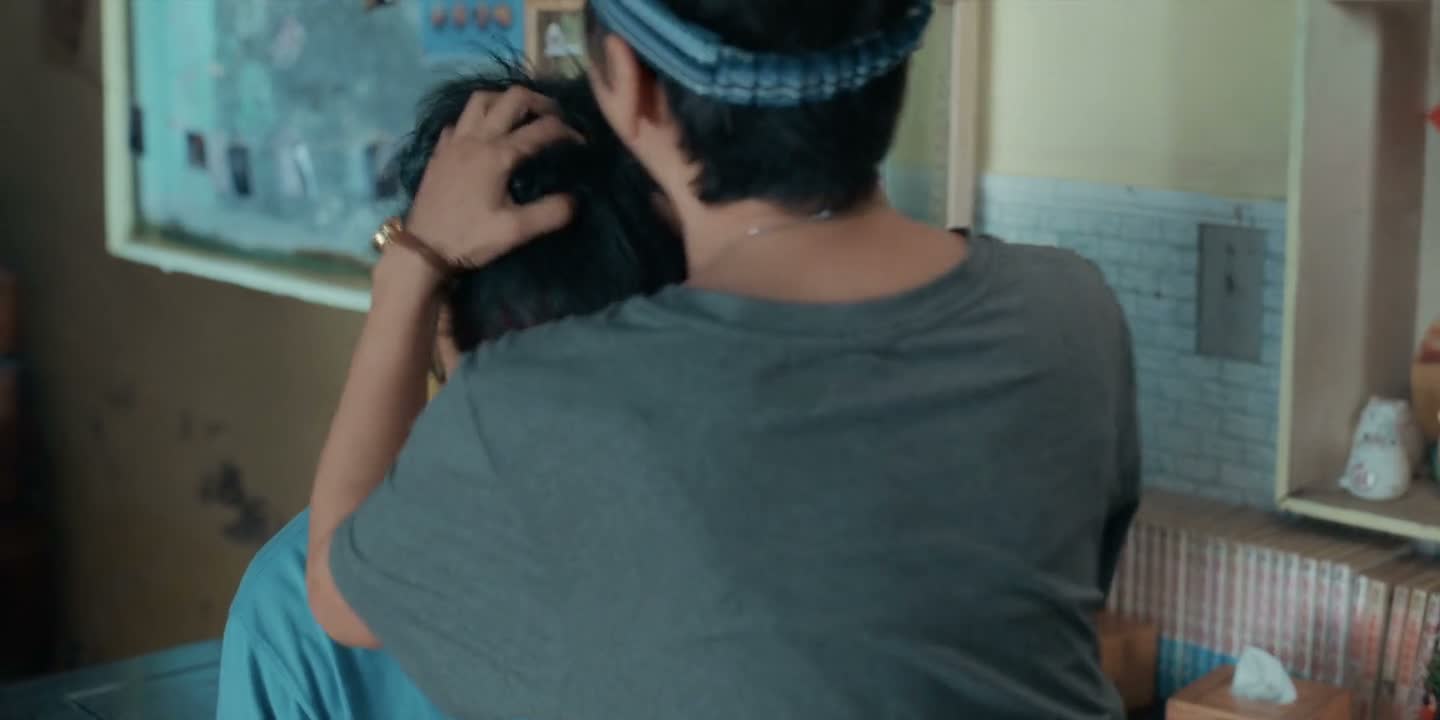
《Dog Man》 S1·E10 (41:15) · Authentic Cinema Dialogue Corpus