MC
MandarinClips Cinema Corpus
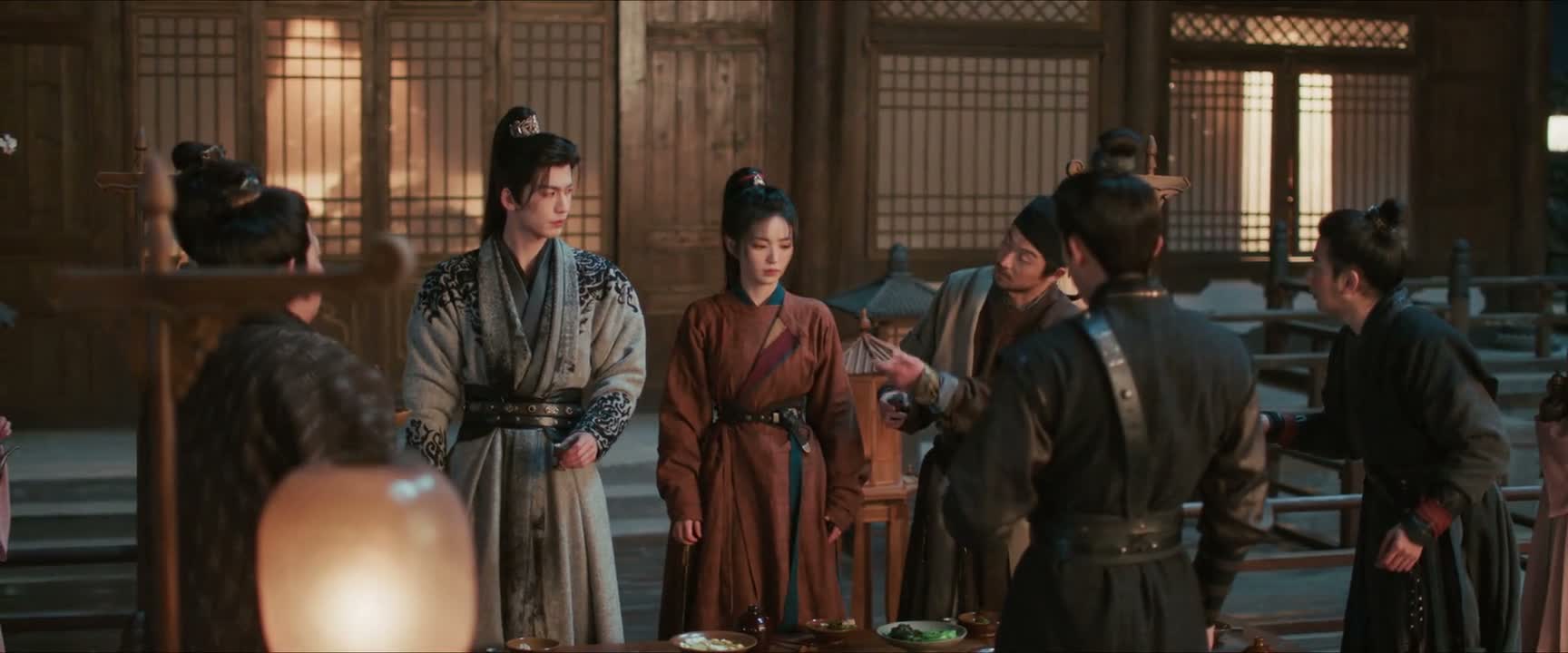
《The Inner Eye》 S1·E14 (38:38) HSK 5
nǐ bù néng bù guǎn wǒ ya

你不能不管我呀

“You cannot just leave me.”

《The Inner Eye》 S1·E14
TIMECODE: 38:38 · 1080P MASTER AUDIO

THE DIALOGUE REEL

1+1+1 SPOKEN CONTINUITY
[-1] PREVIOUS TURN wǒ men shì yī jiā rén a jiě fū

我们是一家人啊姐夫

“We are family, brother in law.”

nǐ bù néng bù guǎn wǒ ya CURRENT FOCUS

你不能 不管 我呀

“You cannot just leave me.”

[+1] FOLLOW-UP TURN wǒ bù zài shì nǐ jiě fū le

“I'm not your brother in law anymore.”

Subtitles synced to millisecond timecode Browse Show Clips →
Scene: Crisis & Conflict
Function: PLEADING FOR HELP
Tone: PLEADING AND DISTRESSED
Emotion: DESPERATION
WHAT THEY REALLY MEAN (PRAGMATIC SUBTEXT)

Direct spoken expression in this communicative setting.

💡 Cultural Insight: Kinship Obligations

In Chinese culture, kinship ties carry heavy moral expectations of mutual assistance, which speakers invoke when desperate for help.

INTENT TAGS: #pleading #moral_appeal #desperation #kinship_leverage
🧩

LEARNING CHUNKS & PARTICLES

2 CHUNKS · 1 PARTICLES
不管 SPOKEN CHUNK

to neglect / to ignore / to not care about someone

Used in negative or interrogative sentences to express feelings of abandonment or lack of support.

不能不管 SPOKEN CHUNK

cannot just leave someone alone / must take responsibility

A double-negative construction emphasizing moral obligation to assist someone.

Modal Particle「呀」 (ya) CHANGE OF STATE

Softens the imperative while intensifying the emotional pleading and desperation.

🏮

VOCABULARY & EXPRESSIONS

2 EXPR · 1 GRAMMAR
COLLOQUIAL EXPRESSIONS:
GRAMMAR BLUEPRINTS:
CROSS-CINEMA CORPUS BOARD · PARALLEL SCENES

Parallel Spoken Cinema Scenes (语义近邻切片)

EXPLORE BY SEMANTIC SIMILARITY
《The Inner Eye》 S1·E14 (38:38) · Authentic Cinema Dialogue Corpus