MC
MandarinClips Cinema Corpus
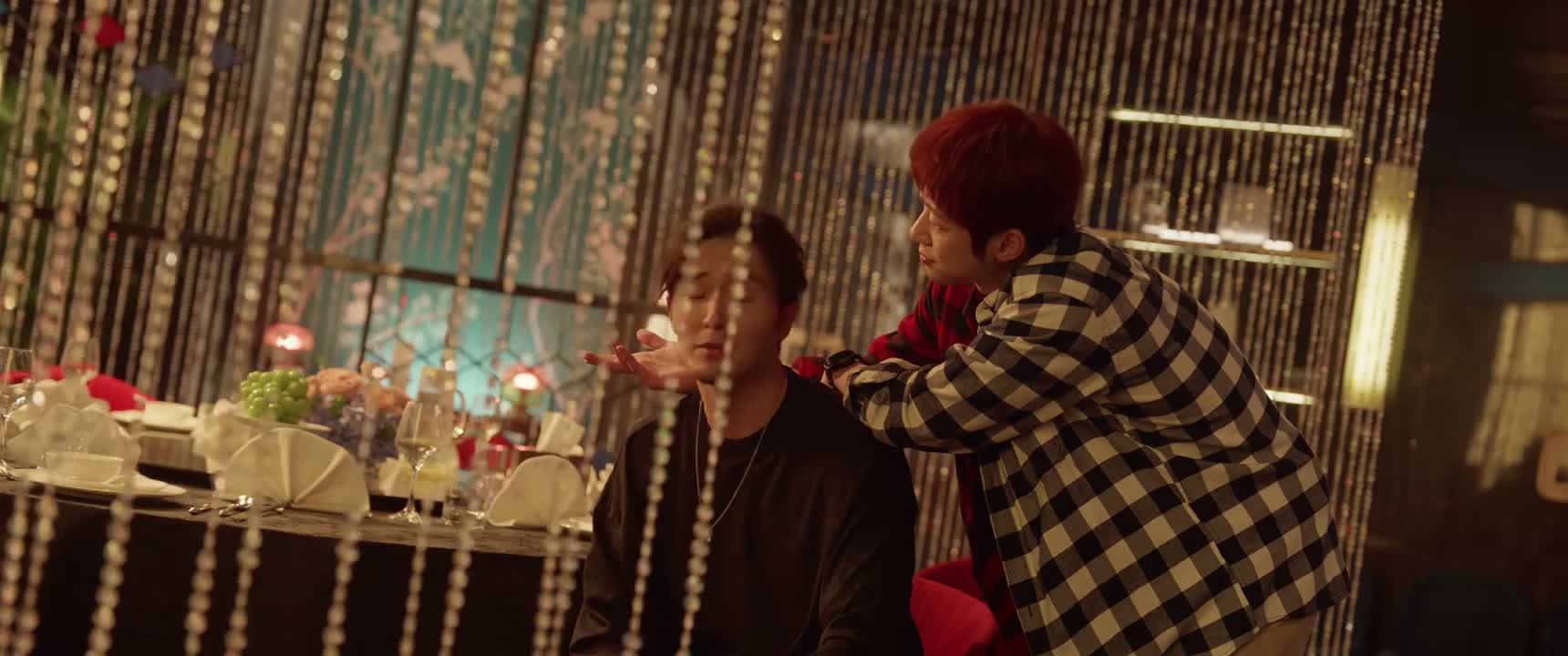
《About Love》 S1·E7 (18:16) HSK 7
pà nǐ zài gǎn qíng de xiǎo lù shàng zǒu diū le

怕你在感情的小路上走丢了

“- Afraid you'd lose your way in love. - How sweet.”

《About Love》 S1·E7
TIMECODE: 18:16 · 1080P MASTER AUDIO

THE DIALOGUE REEL

1+1+1 SPOKEN CONTINUITY
[-1] PREVIOUS TURN zhè nǐ hái bù dǒng ma

这你还不懂吗

“You don't get it?”

pà nǐ zài gǎn qíng de xiǎo lù shàng zǒu diū le CURRENT FOCUS

怕你 在感情的小路上 走丢了

“- Afraid you'd lose your way in love. - How sweet.”

[+1] FOLLOW-UP TURN nà qù nián wǒ shēng rì de shí hòu

那去年我生日的时候

“And last year,”

Subtitles synced to millisecond timecode Browse Show Clips →
Scene: Social & Dating
Function: TEASING CONCERN
Tone: TEASING
Emotion: AFFECTION
WHAT THEY REALLY MEAN (PRAGMATIC SUBTEXT)
“I'm looking out for you because I actually care about your love life, or rather, I want to be the one in it.”
💡 Cultural Insight: Romantic Banter (Daqiaokong)

Chinese speakers often soften explicit romantic expressions by using playful, self-deprecating metaphors rather than direct emotional declarations.

INTENT TAGS: #flirting #teasing #protective_concern #playfulness
🧩

LEARNING CHUNKS & PARTICLES

2 CHUNKS · 1 PARTICLES
走丢了 SPOKEN CHUNK

got lost / wandered off

Literally means to lose one's way, but commonly used playfully or figuratively in personal relationships.

怕你 SPOKEN CHUNK

worried that you / afraid that you might...

A frequent conversational opener expressing protective concern or offering an excuse for an action.

Modal Particle「了」 (le) CHANGE OF STATE

Signifies a change of state or hypothetical completed outcome, accentuating the risk of getting lost.
🏮

VOCABULARY & EXPRESSIONS

2 EXPR · 0 GRAMMAR
COLLOQUIAL EXPRESSIONS:
CROSS-CINEMA CORPUS BOARD · PARALLEL SCENES

Parallel Spoken Cinema Scenes (语义近邻切片)

EXPLORE BY SEMANTIC SIMILARITY
《About Love》 S1·E7 (18:16) · Authentic Cinema Dialogue Corpus