你上次见面的时候可叫人宝宝的
“Last time you still called me baby.”
THE DIALOGUE REEL
不吃 我不想吃
“I said I don't want it.”
你 上次 见面 的时候 可 叫人宝宝 的
“Last time you still called me baby.”
你们好 你们好
“Hello!”
“Quit acting aloof; you were all over them last time we met.”
'Baobao' (baby) is commonly used among young couples in China; bringing it up in front of others is a standard way friends playfully embarrass each other.
LEARNING CHUNKS & PARTICLES
to call someone 'baby' or 'sweetheart'
Often used in spoken Chinese to refer playfully or critically to affectionate pet names used in romantic dynamics.
last time we/you met
A standard temporal marker commonly used to recall a previous social encounter.
Functions at the end of the clause to emphatically affirm an undeniable past fact.
VOCABULARY & EXPRESSIONS
Parallel Spoken Cinema Scenes (语义近邻切片)

“Our last meeting was too rushed.”
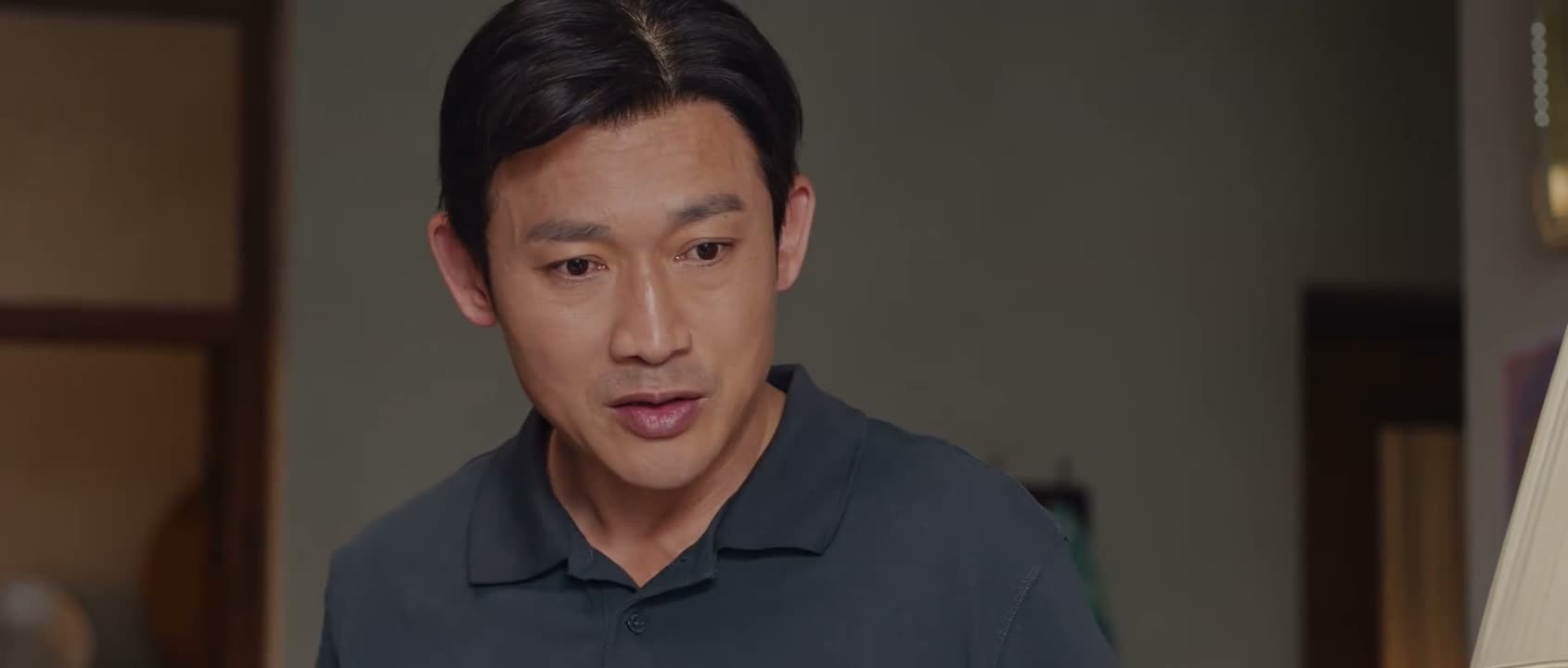
“What's wrong, Zhu? I mentioned it last time.”

“The last time we met,”
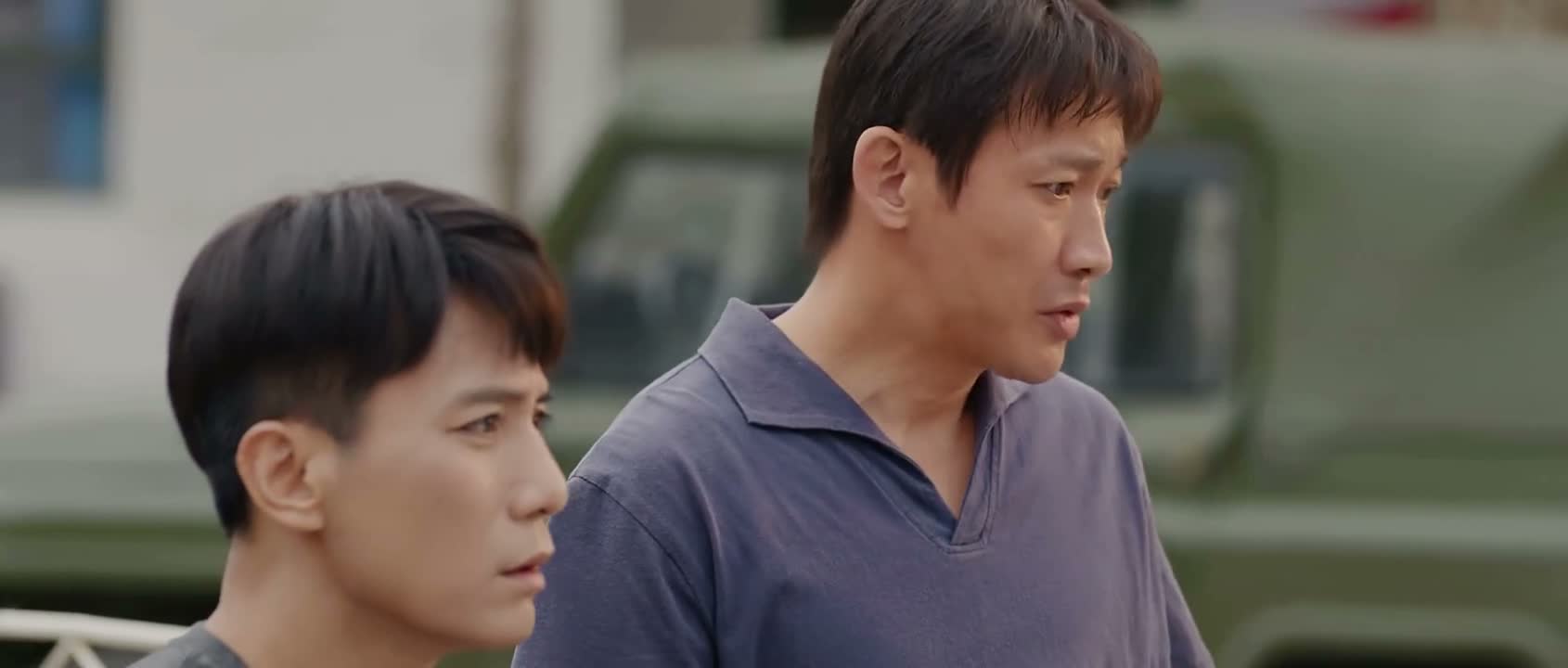
“It's just that last time I saw you, you didn't look so good.”

“It has been so long since anyone called me by my childhood name.”
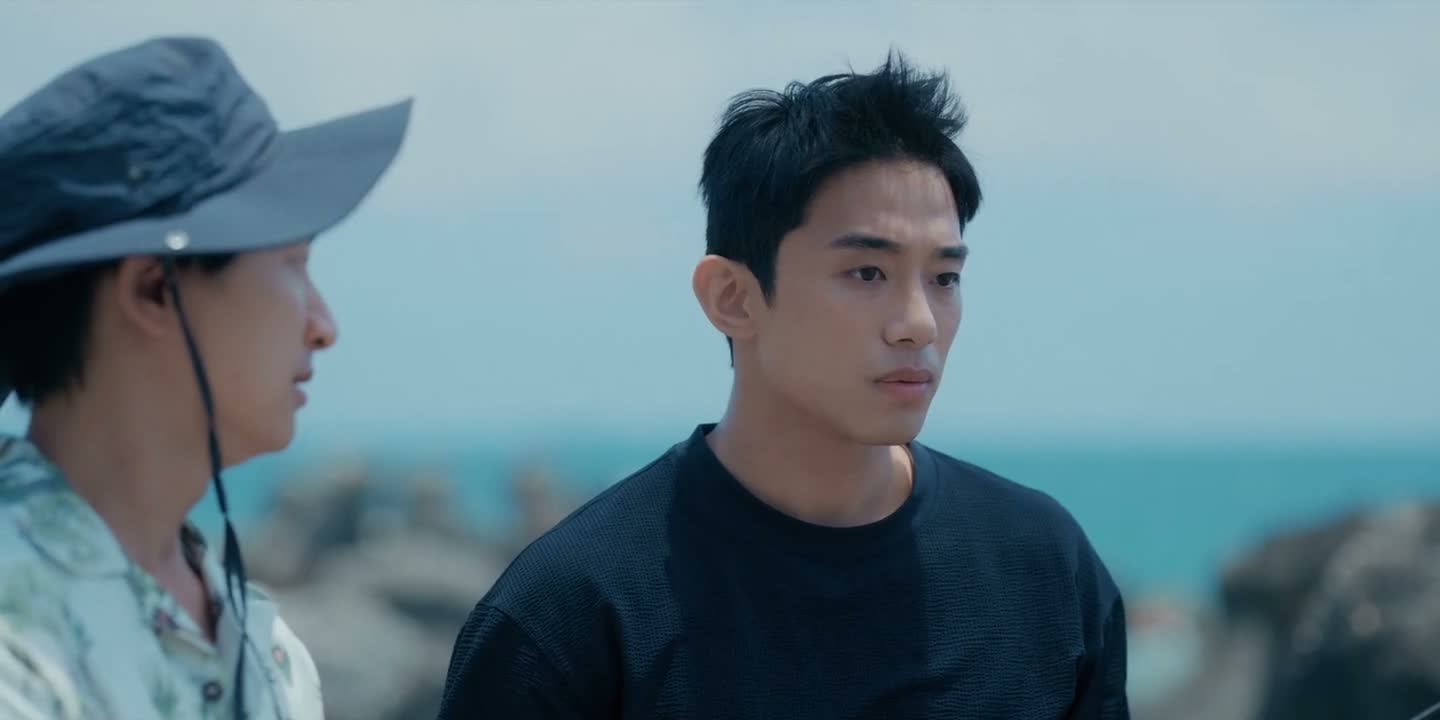
“The name I kept calling last night”