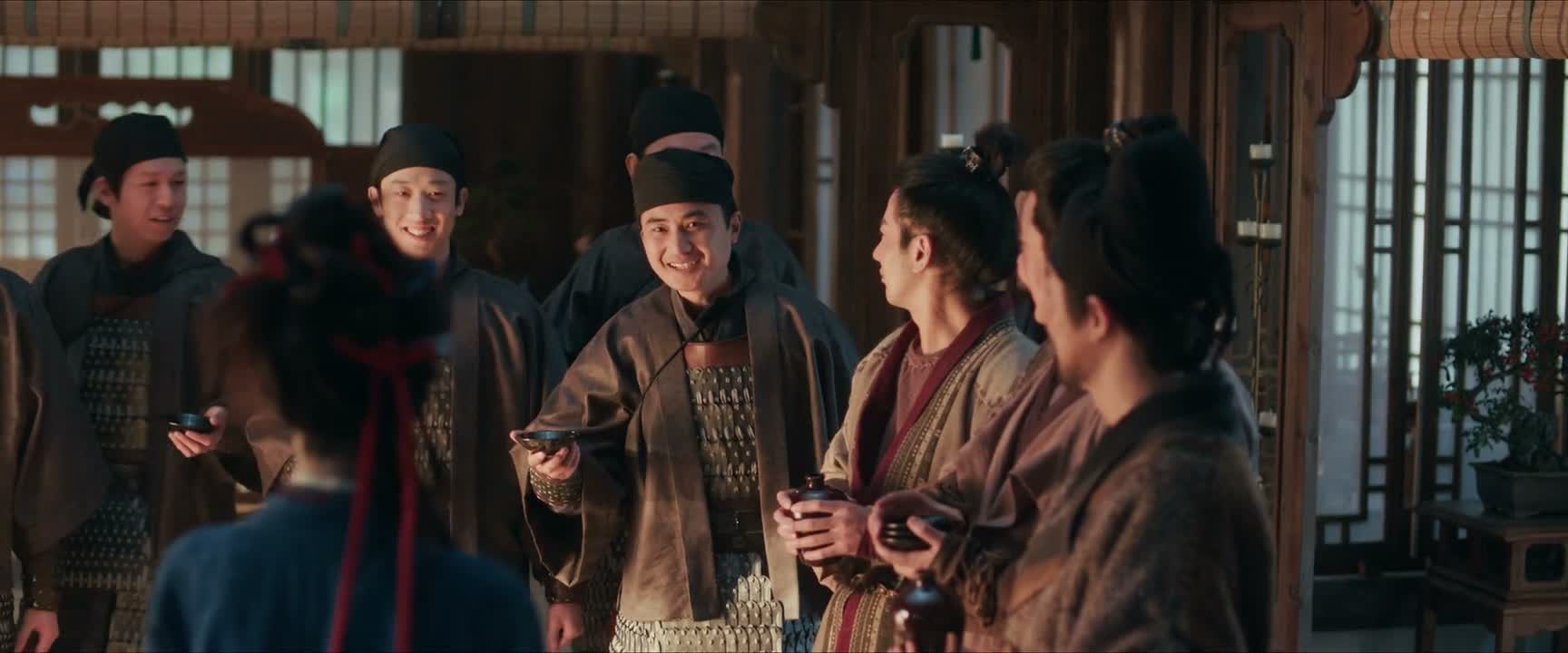
Cómo usar "他不是 他不是叛徒" (tā bú shì tā bú shì pàn tú) en el diálogo chino
他不是 他不是叛徒
Él no es un traidor.
HSK Vocabulary
Show Information
Source Media
TV Series
Season & Episode
S1 E31
Clip Timestamp
2:15
TMDB ID
279388
Conversation Context
| Line | Chinese | Pinyin | Translation |
|---|---|---|---|
| 1 | 你为什么替魏祁林说话 | nǐ wèi shén me tì wèi qí lín shuō huà | ¿Por qué defiendes a Wei Qilin? |
| 2▶ | 他不是 他不是叛徒 | tā bú shì tā bú shì pàn tú | Él no es un traidor. |
| 3 | 今日是谢大将军和贺将军的忌日 | jīn rì shì xiè dà jiāng jūn hé hè jiāng jūn de jì rì | Hoy es el aniversario de la muerte del gran general Xie y del general He. |
More Clips From Episode
Total 203 clips (Page 2 of 11)

HSK 4
0:03s

HSK 5
0:03s
gēn rèn hé shì rèn hé rén dōu wú guānNo tiene nada que ver con ningún asunto ni con nadie,


HSK 7
0:03s

HSK 7
0:03s
jiē zhuó qíng zhàn gōng jué wú sī jiànTodo se basa en méritos de guerra, sin prejuicios personales.



HSK 4
0:03s
HSK 6
0:03s

HSK 1
0:03s
zhǐ pà tā wèi yán yě kuáng wàng bù liǎo jǐ tiān leMe temo que la arrogancia de Wei Yan no durará mucho.

HSK 7
0:03s