Cómo usar "他不是 他不是叛徒" (tā bú shì tā bú shì pàn tú) en el diálogo chino
他不是 他不是叛徒
Él no es un traidor.
HSK Vocabulary
Show Information
Source Media
TV Series
Season & Episode
S1 E31
Clip Timestamp
2:15
TMDB ID
279388
Conversation Context
| Line | Chinese | Pinyin | Translation |
|---|---|---|---|
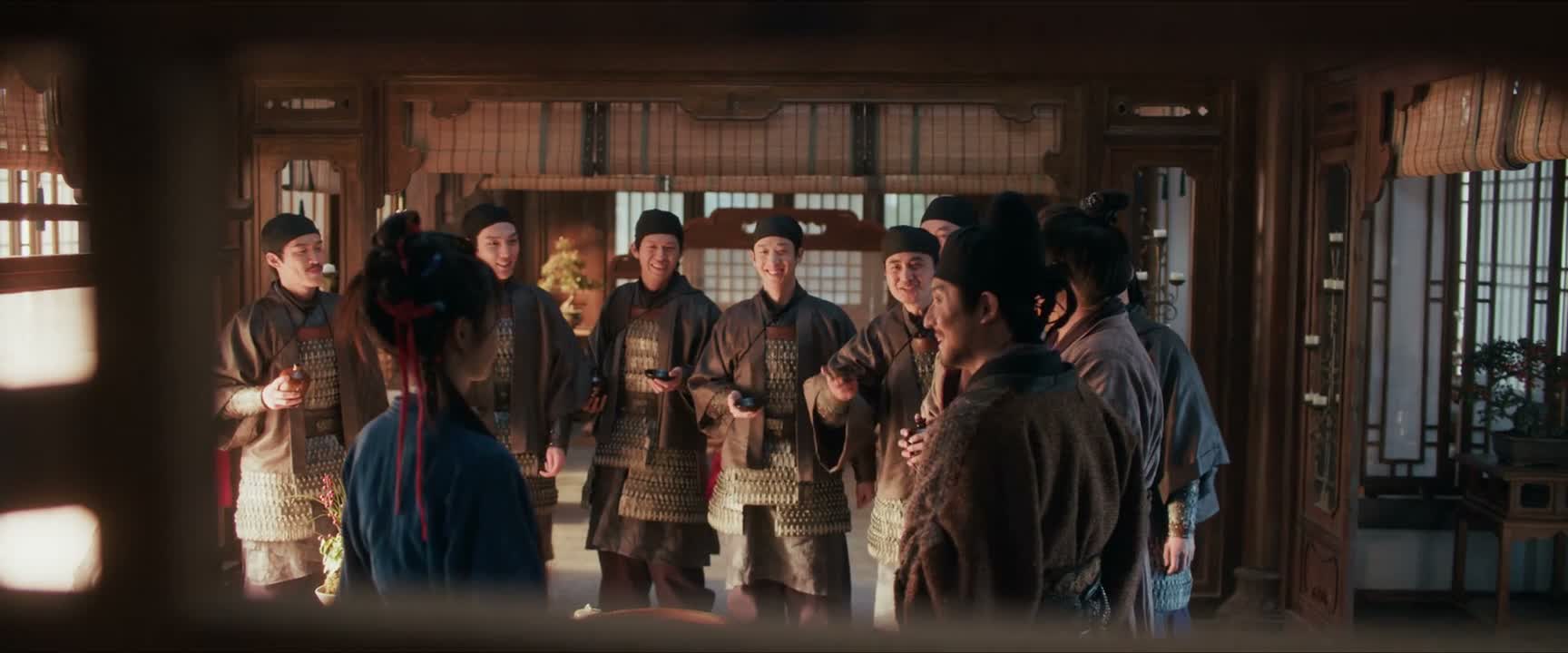
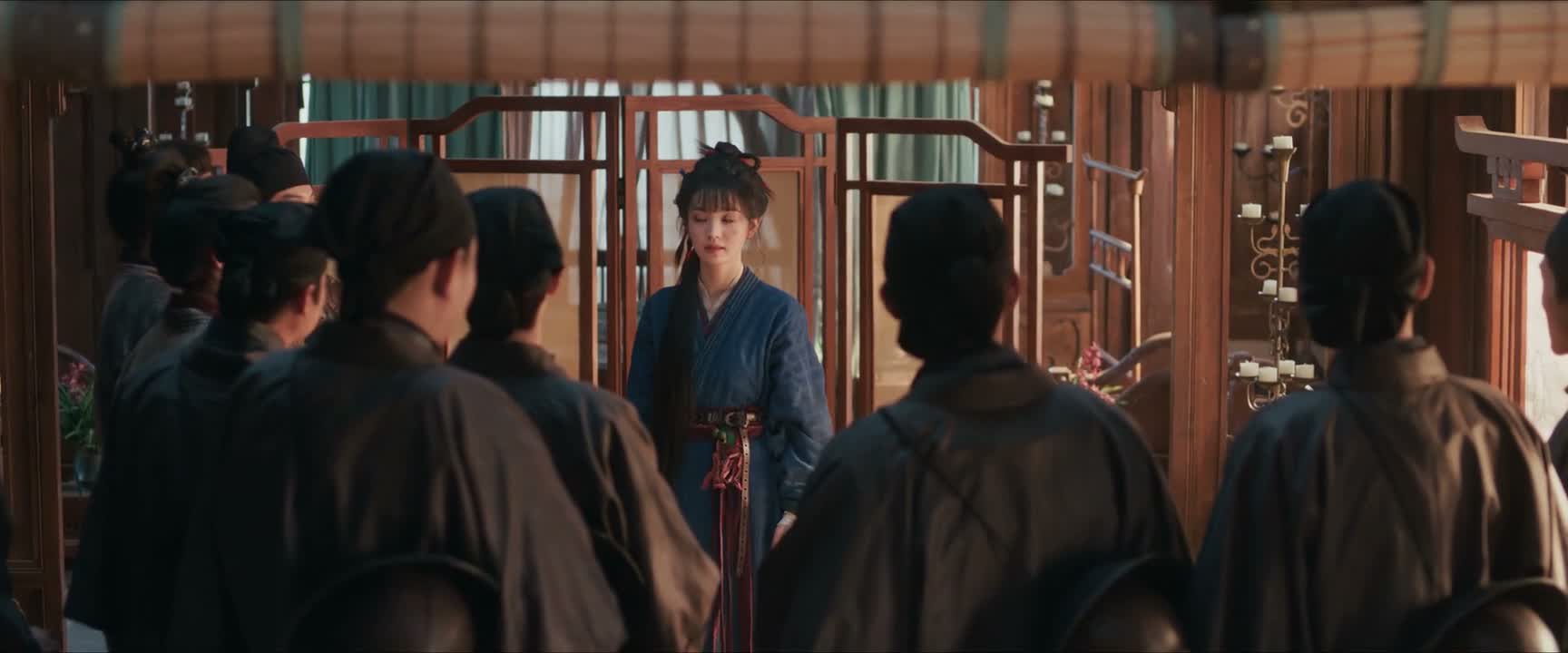
| 1 | 你为什么替魏祁林说话 | nǐ wèi shén me tì wèi qí lín shuō huà | ¿Por qué defiendes a Wei Qilin? |
| 2▶ | 他不是 他不是叛徒 | tā bú shì tā bú shì pàn tú | Él no es un traidor. |
| 3 | 今日是谢大将军和贺将军的忌日 | jīn rì shì xiè dà jiāng jūn hé hè jiāng jūn de jì rì | Hoy es el aniversario de la muerte del gran general Xie y del general He. |
More Clips From Episode
Total 203 clips (Page 3 of 11)
HSK 2
0:03s
HSK 7
0:03s
HSK 6
0:03s
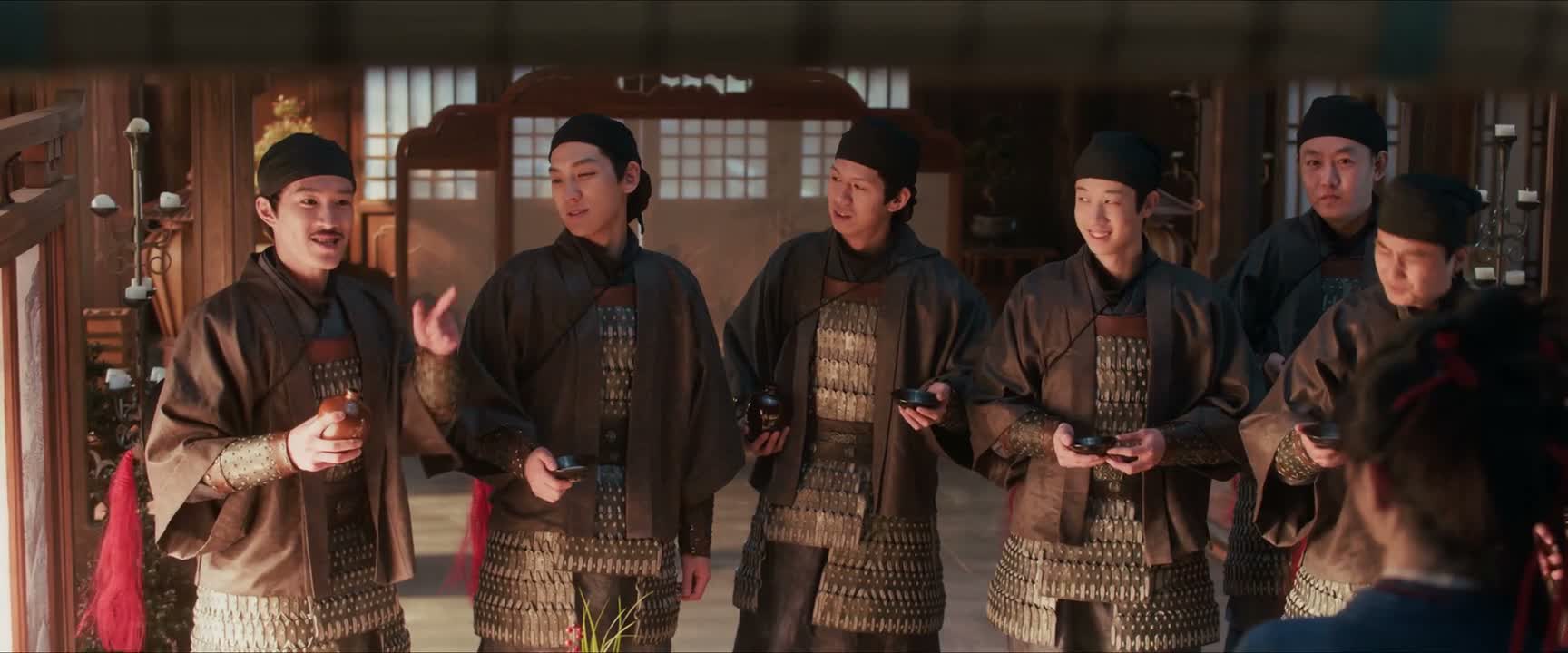
fán jiāng jūn jiù shì wǒ men yǎn lǐ de dà jiāng jūnGeneral Fan, eres nuestra gran general.
HSK 7
0:03s
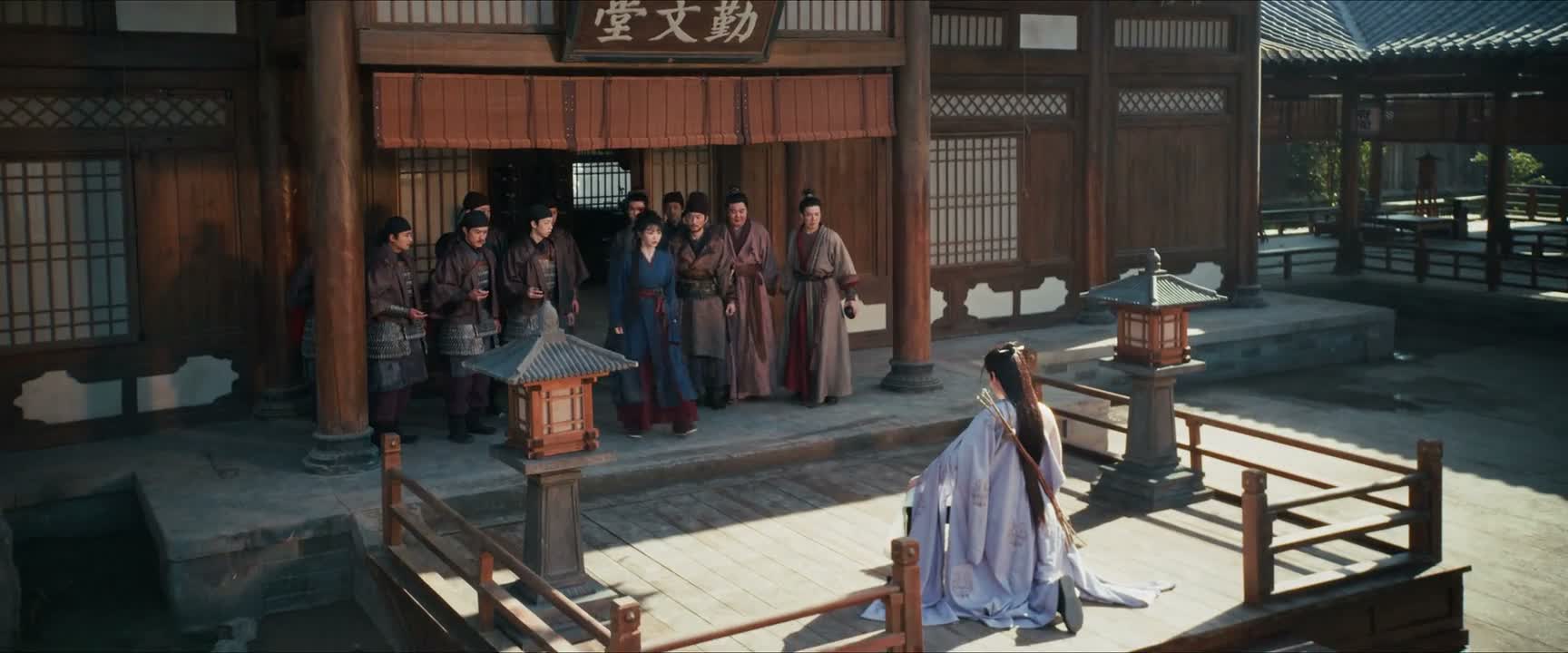
nǐ kě shì shā le zhǎng xìn wáng de dà gōng chénEres la gran heroína que mató al rey Changxin.




HSK 6
0:03s
jīn rì tè yì fù jīng xiàng fán gū niáng qǐng zuìHoy vine especialmente a disculparme contigo.


HSK 5
0:03s
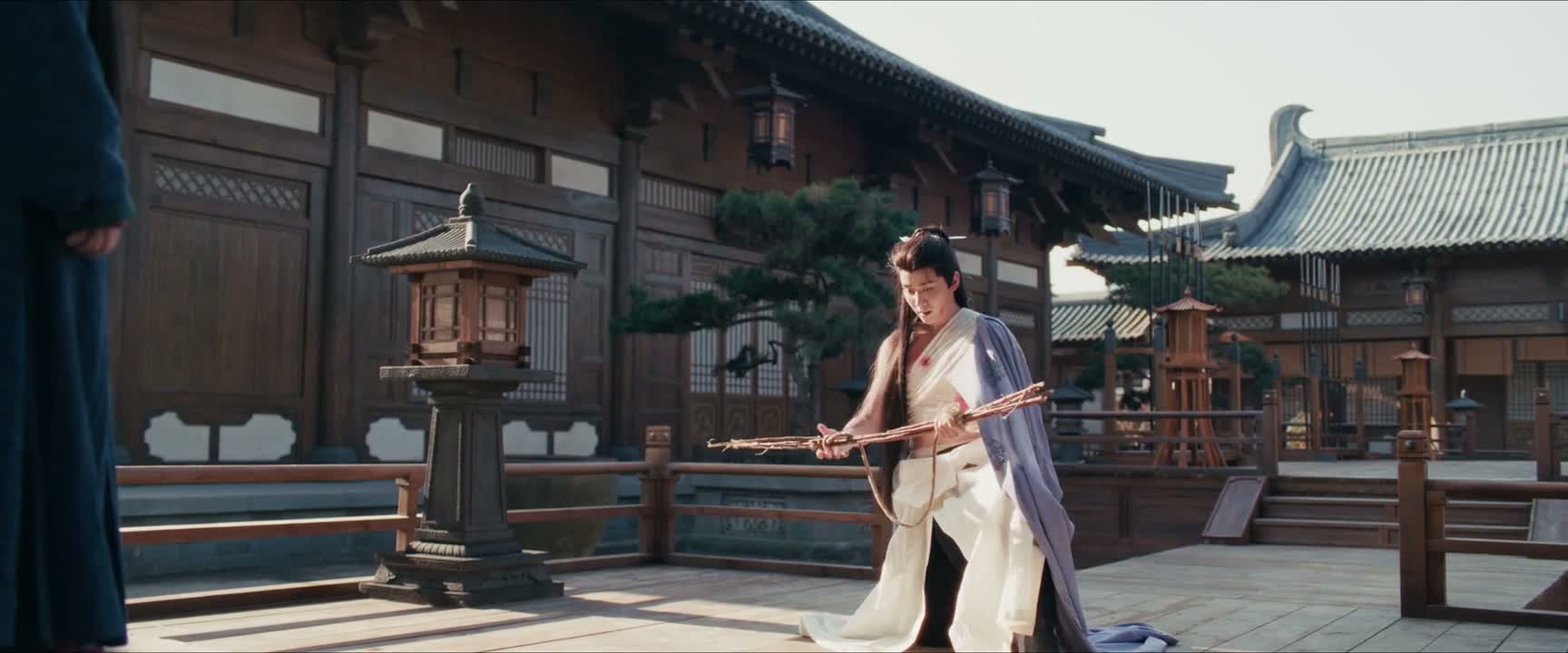
fǎn ér zài nǐ zhòng bìng zhī shí duì nǐ è yǔ xiāng xiàngy en cambio te hablé con crueldad cuando estabas gravemente enferma.




HSK 7
0:03s

HSK 3
0:03s
méi xiǎng dào wǒ zài xī běi lì liàn duō shíInesperadamente, después de entrenar tanto en el noroeste,