Cómo usar "孤当然下得去手" (gū dāng rán xià dé qù shǒu) en el diálogo chino
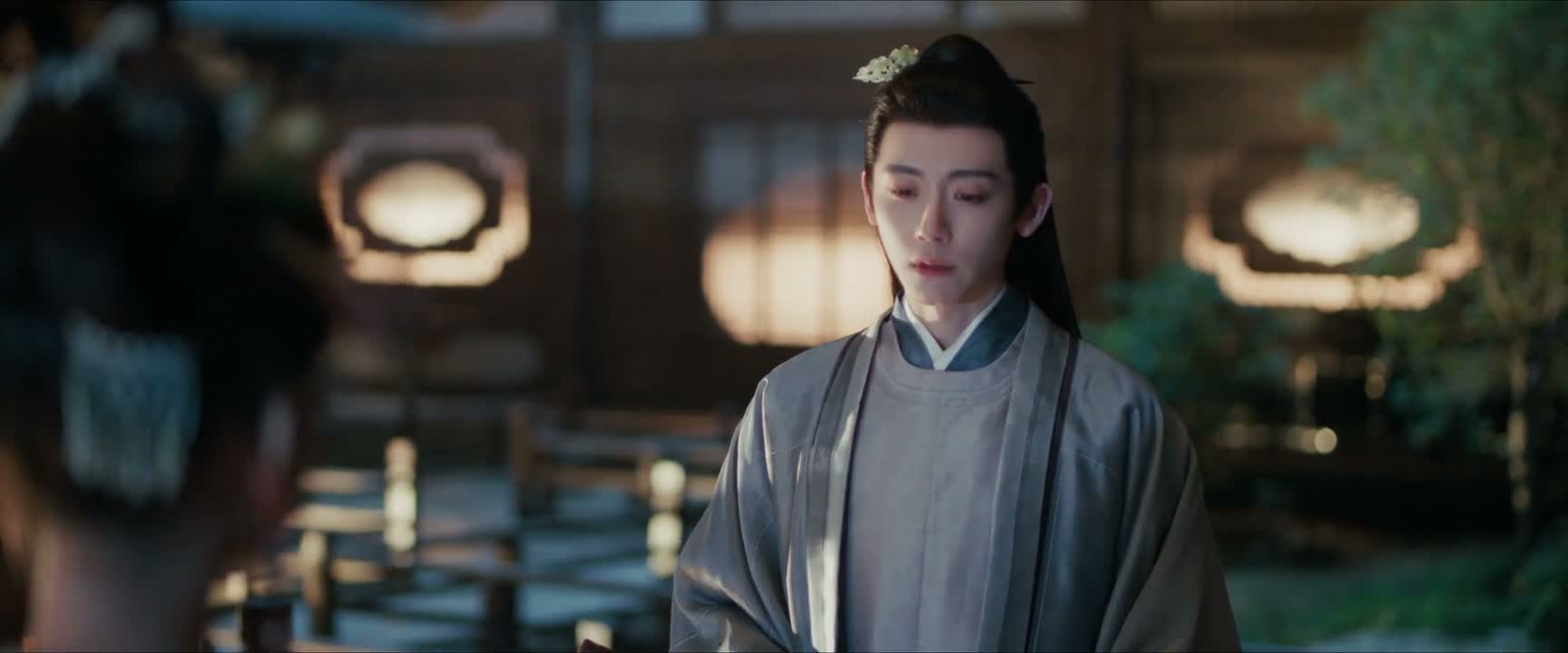
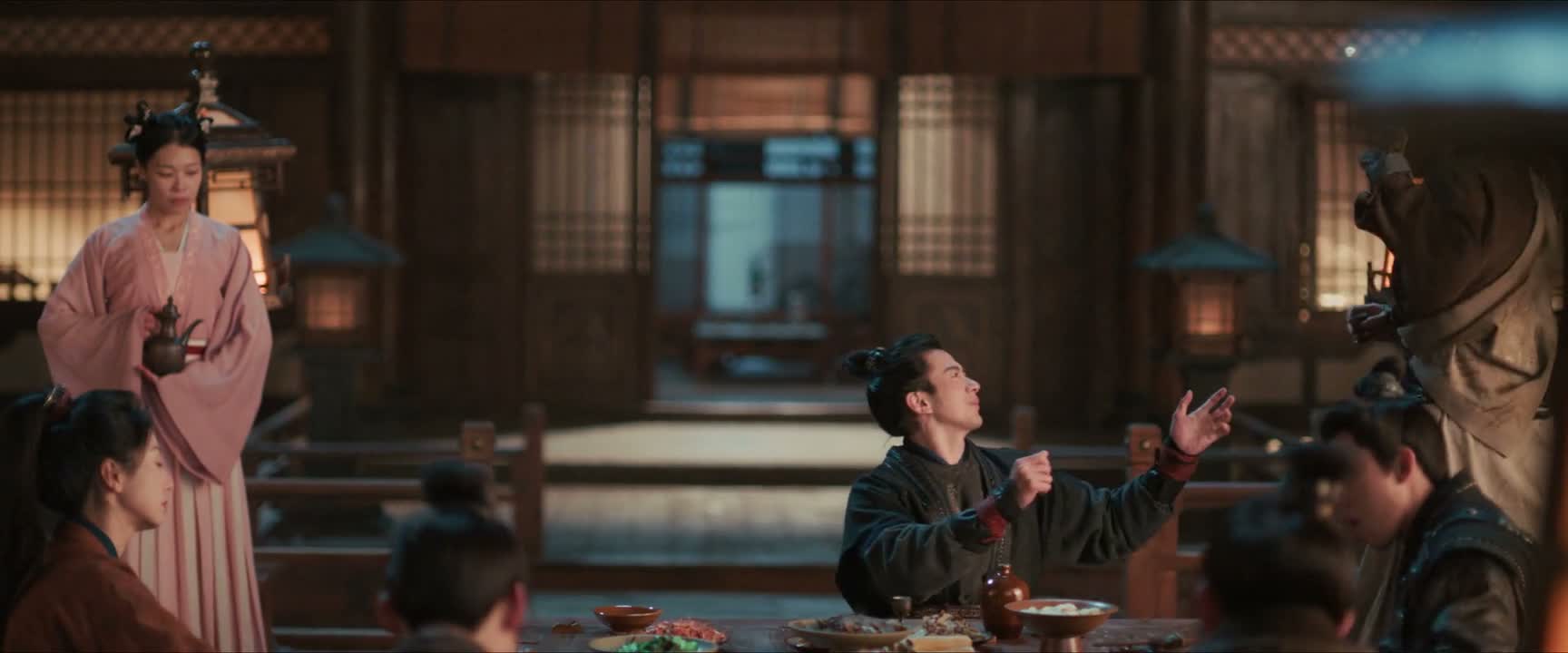
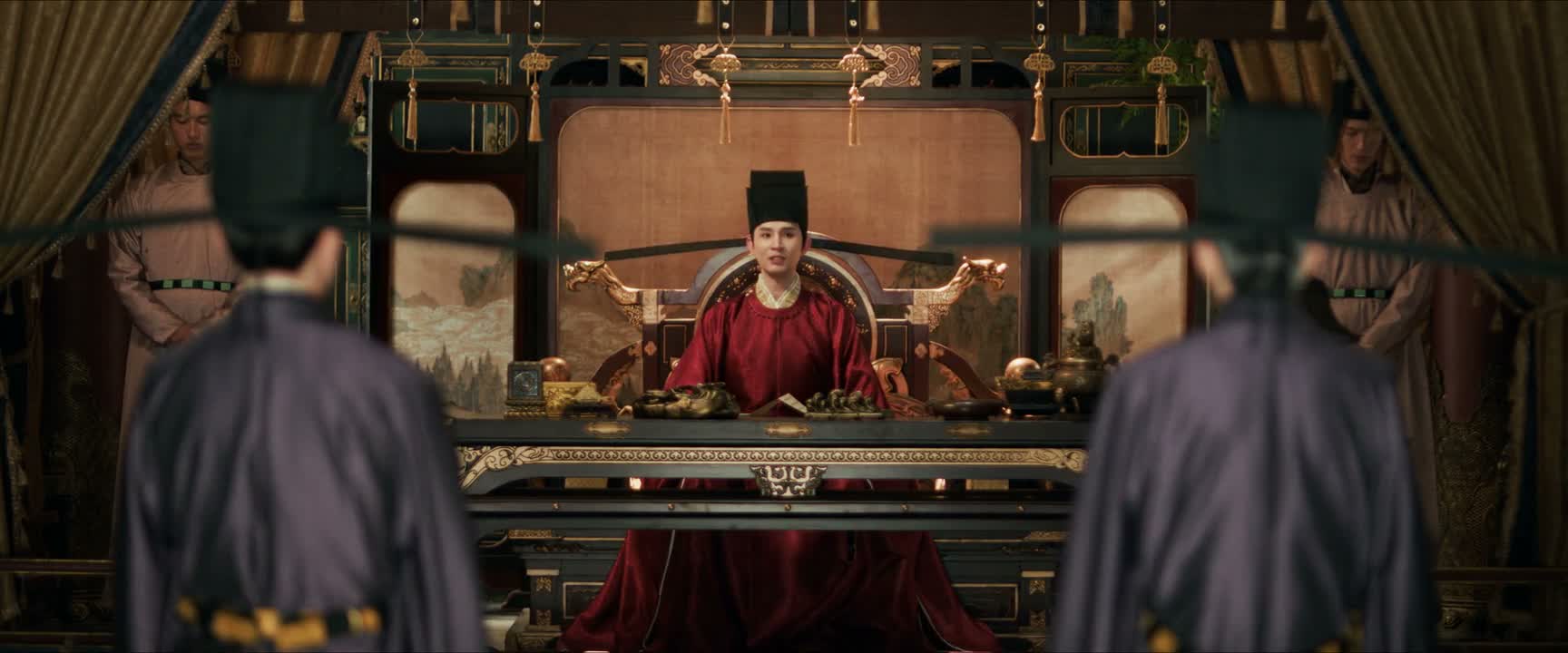
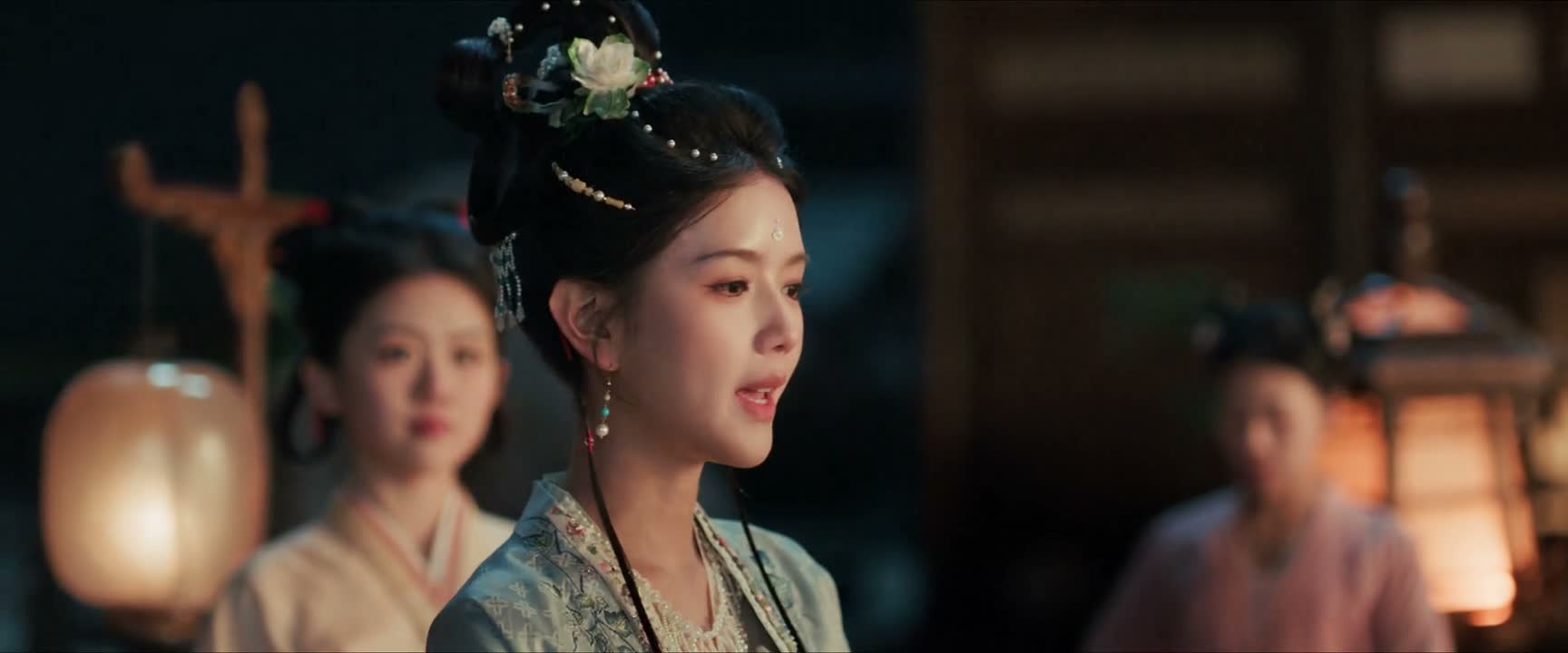
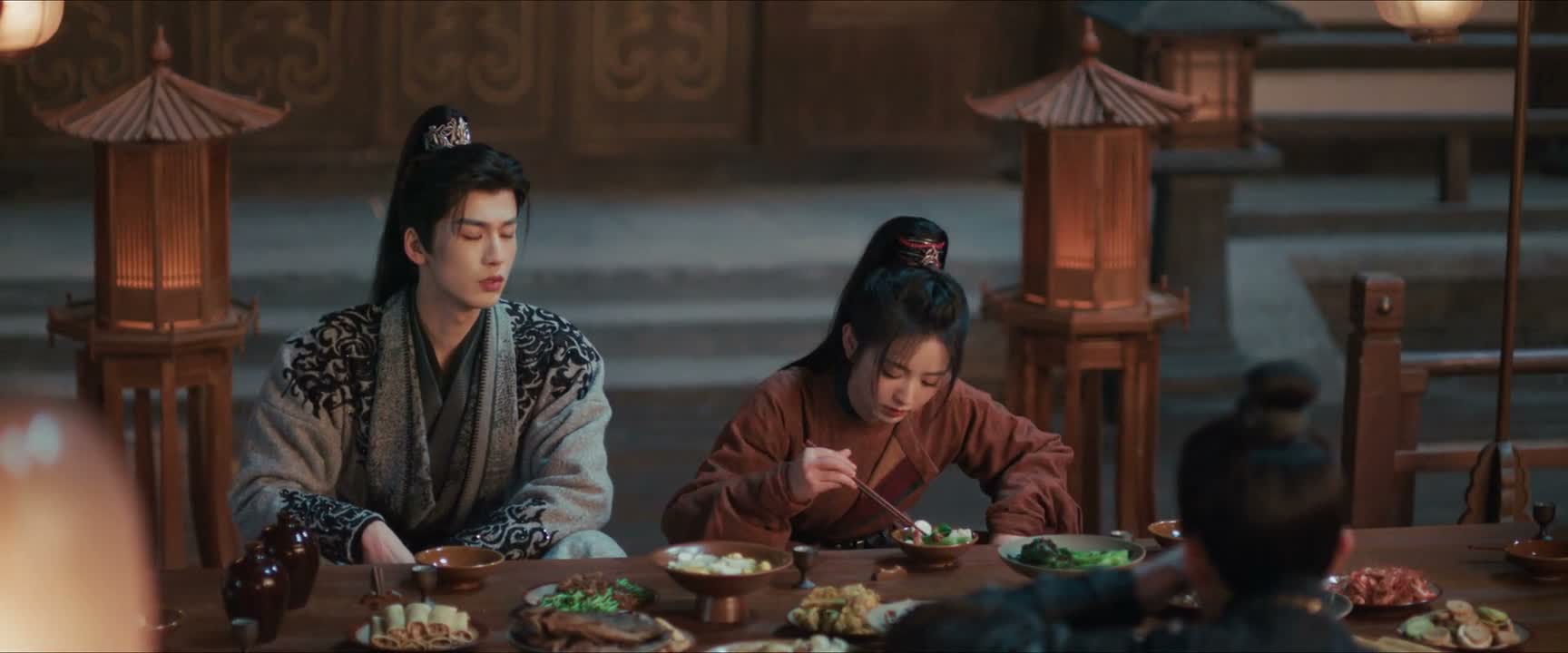
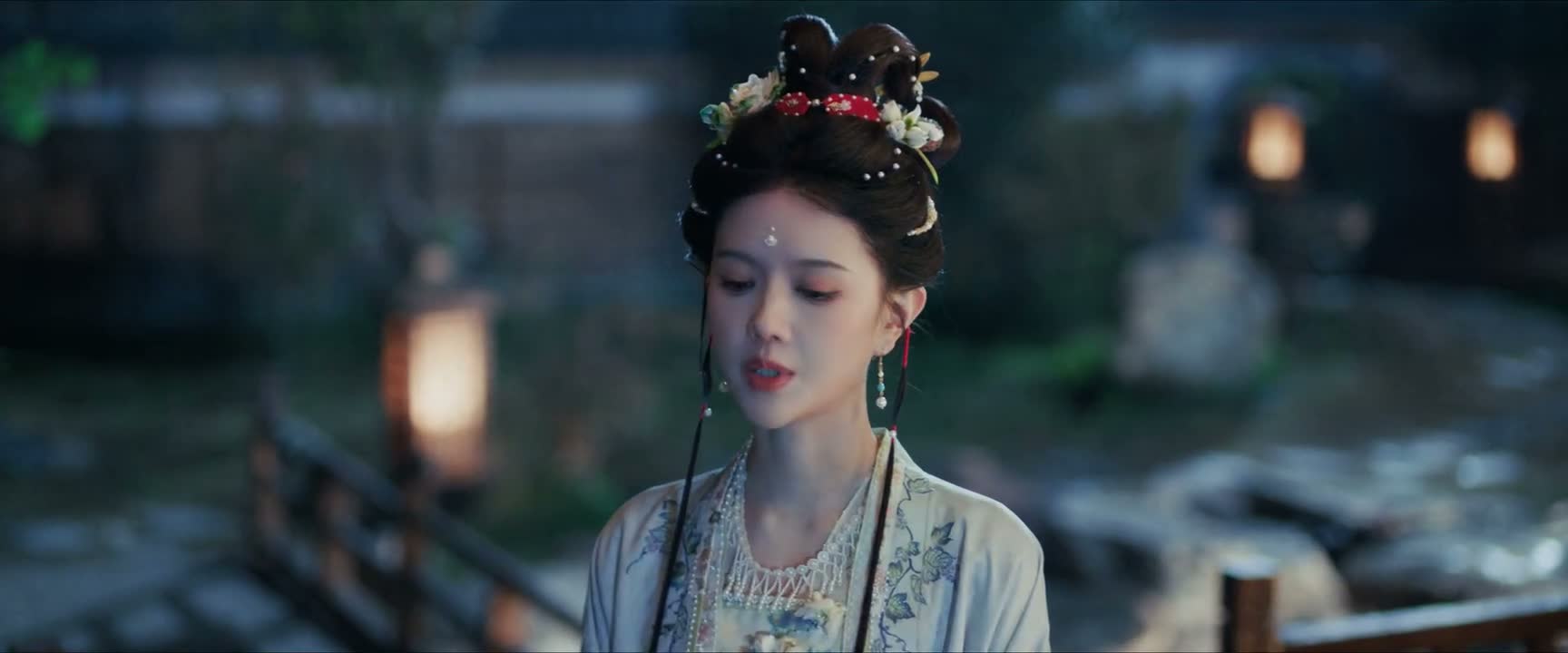
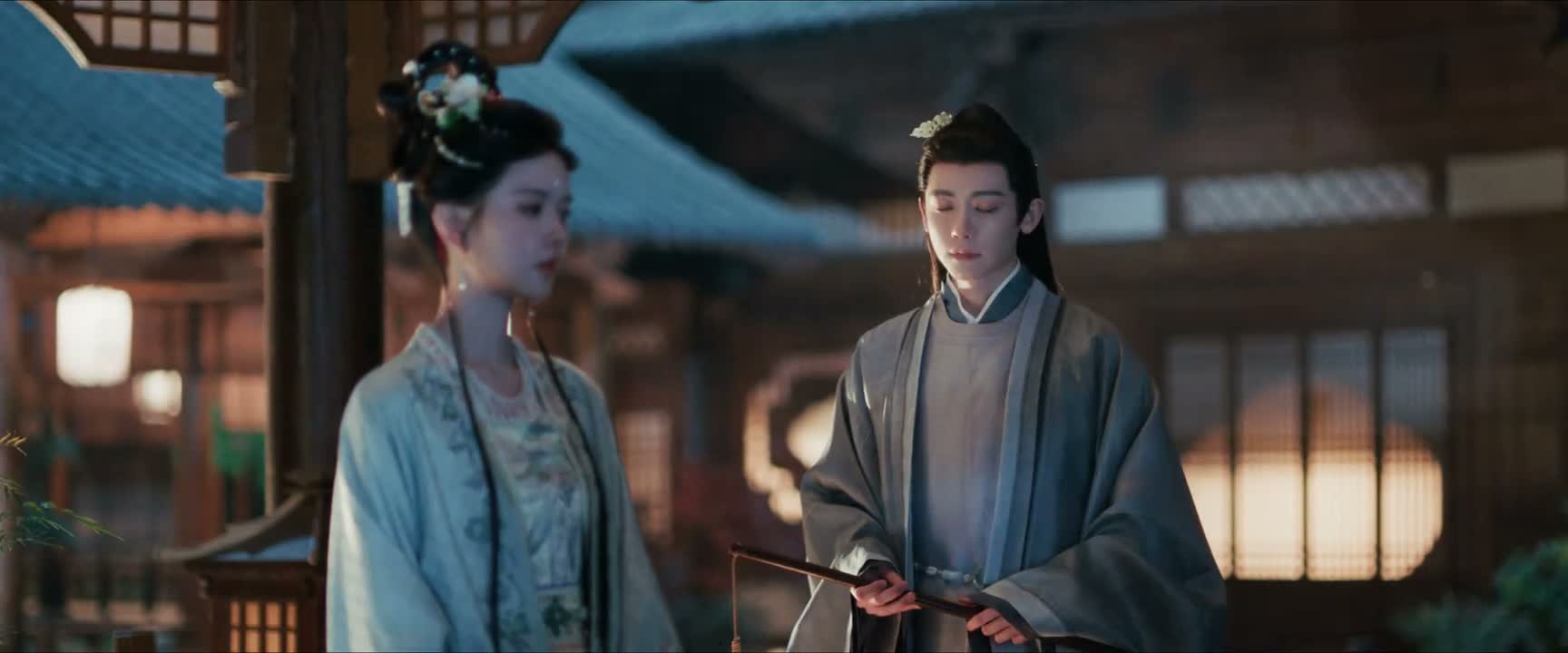
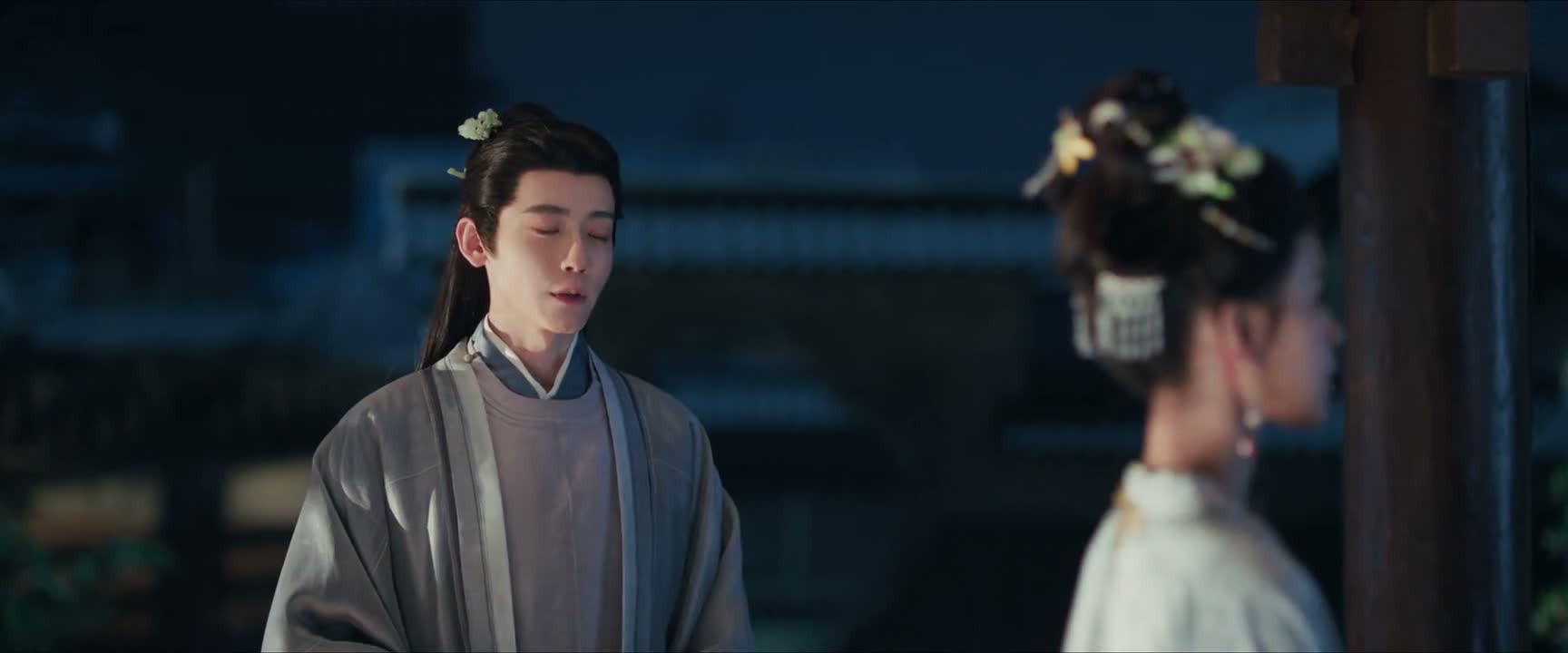
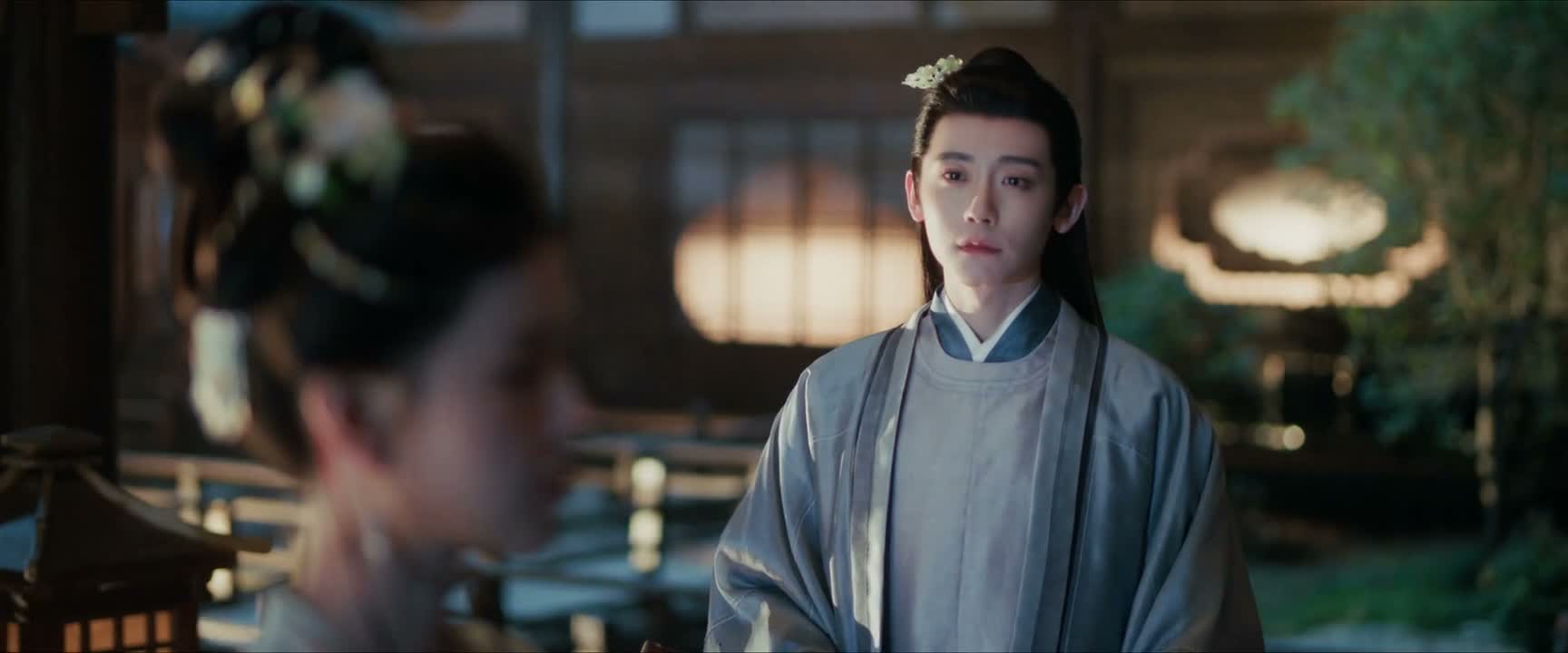
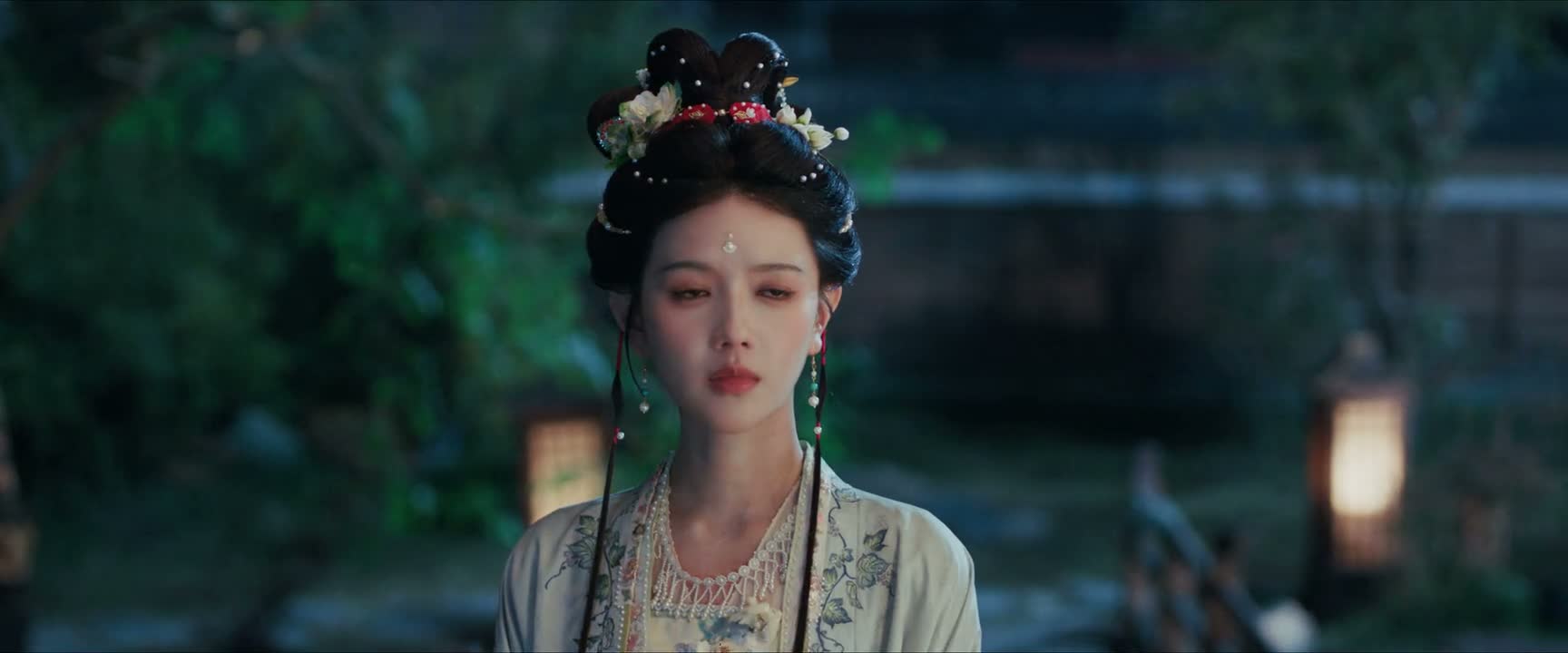
孤当然下得去手
Por supuesto que fui capaz de hacerlo.
Show Information
Source Media
TV Series
Season & Episode
S1 E33
Clip Timestamp
11:42
TMDB ID
279388
Conversation Context
| Line | Chinese | Pinyin | Translation |
|---|---|---|---|
| 1 | 因为孤的心早就死了 | yīn wèi gū de xīn zǎo jiù sǐ le | Porque mi corazón murió hace mucho tiempo. |
| 2▶ | 孤当然下得去手 | gū dāng rán xià dé qù shǒu | Por supuesto que fui capaz de hacerlo. |
| 3 | 殿下快走 此地不宜久留 | diàn xià kuài zǒu cǐ dì bù yí jiǔ liú | Su Alteza, debemos irnos. No conviene quedarnos aquí. |
More Clips From Episode
Total 208 clips (Page 7 of 11)

HSK 4
0:03s
cóng cǐ shì shàng zài wú chóng zhōu pàn jūnDesde ahora, ya no existen rebeldes de Chongzhou en el mundo.

HSK 7
0:03s
dài zhe yí hàn hé bù jiě huí gōng baregresar al palacio con arrepentimiento y dudas, ¿verdad?
HSK 6
0:03s

HSK 6
0:03s
xiǎng lái shān zhǎng yīng gāi dà sōng yì kǒu qì cái shìSupongo que debes sentir un gran alivio.
HSK 6
0:03s
zài zōng cí guì le sān tiān sān yèMe arrodillé en el salón ancestral durante tres días y tres noches.
HSK 3
0:03s