Cómo usar "孤当然下得去手" (gū dāng rán xià dé qù shǒu) en el diálogo chino
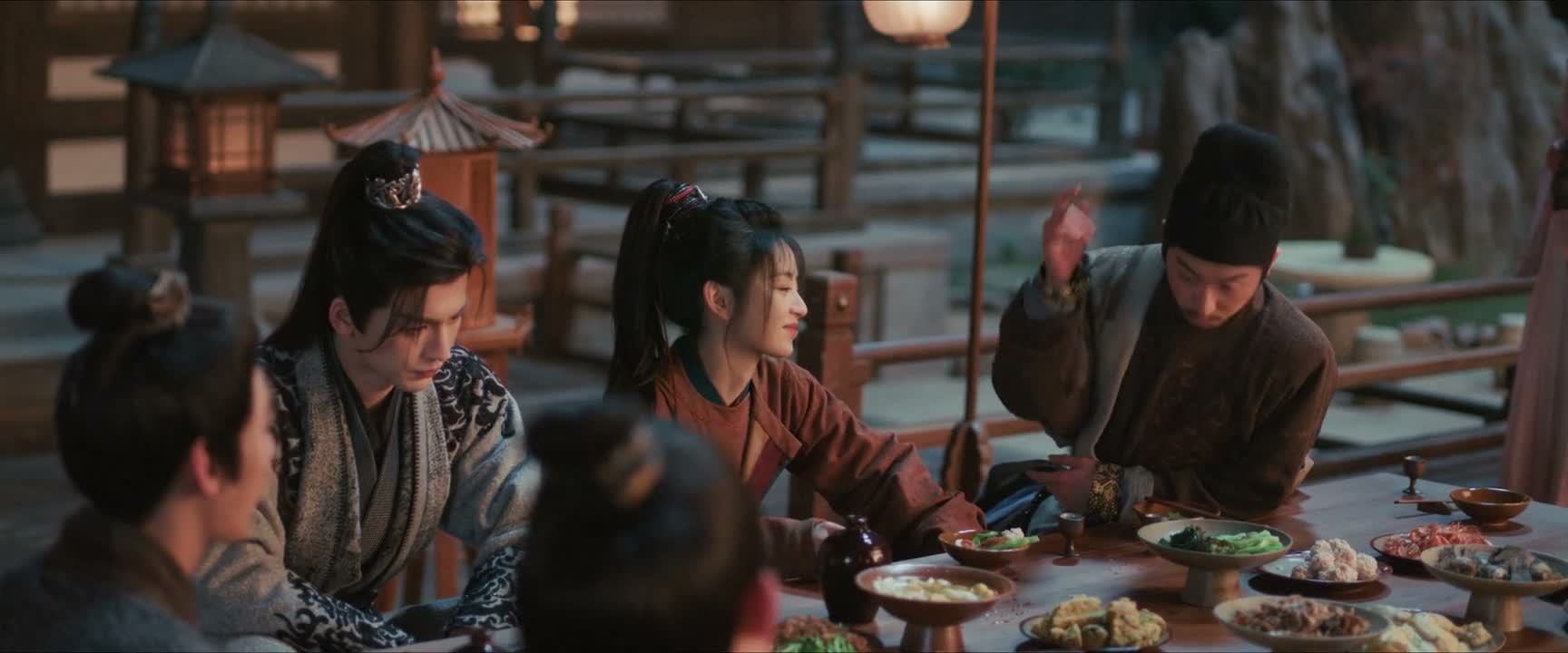
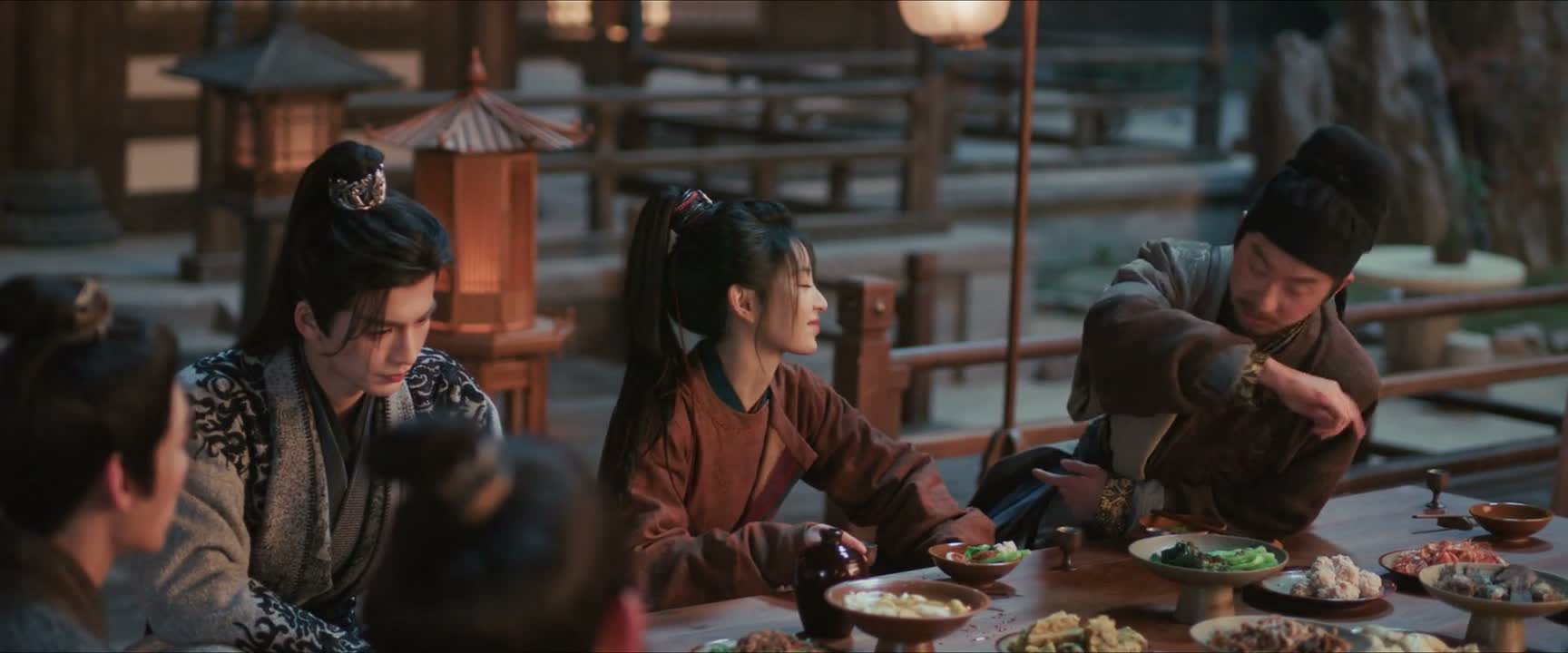
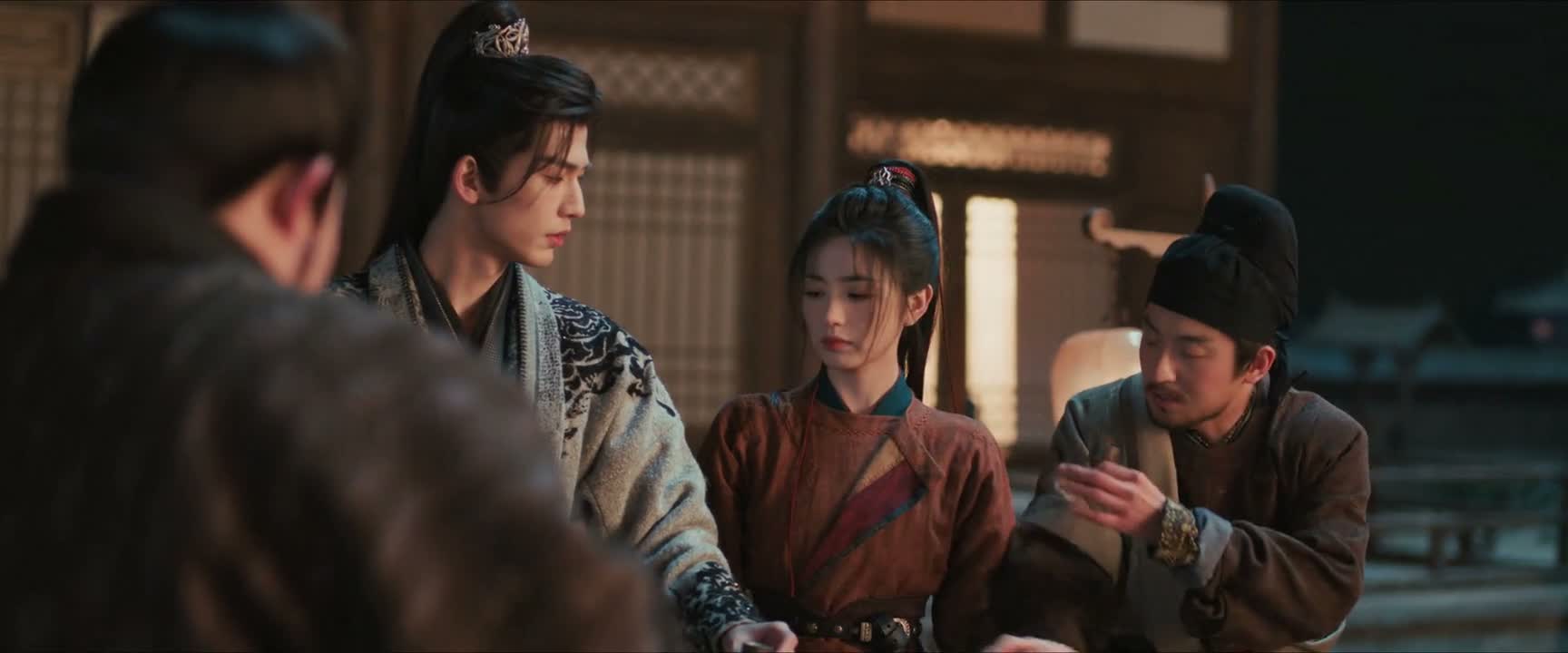
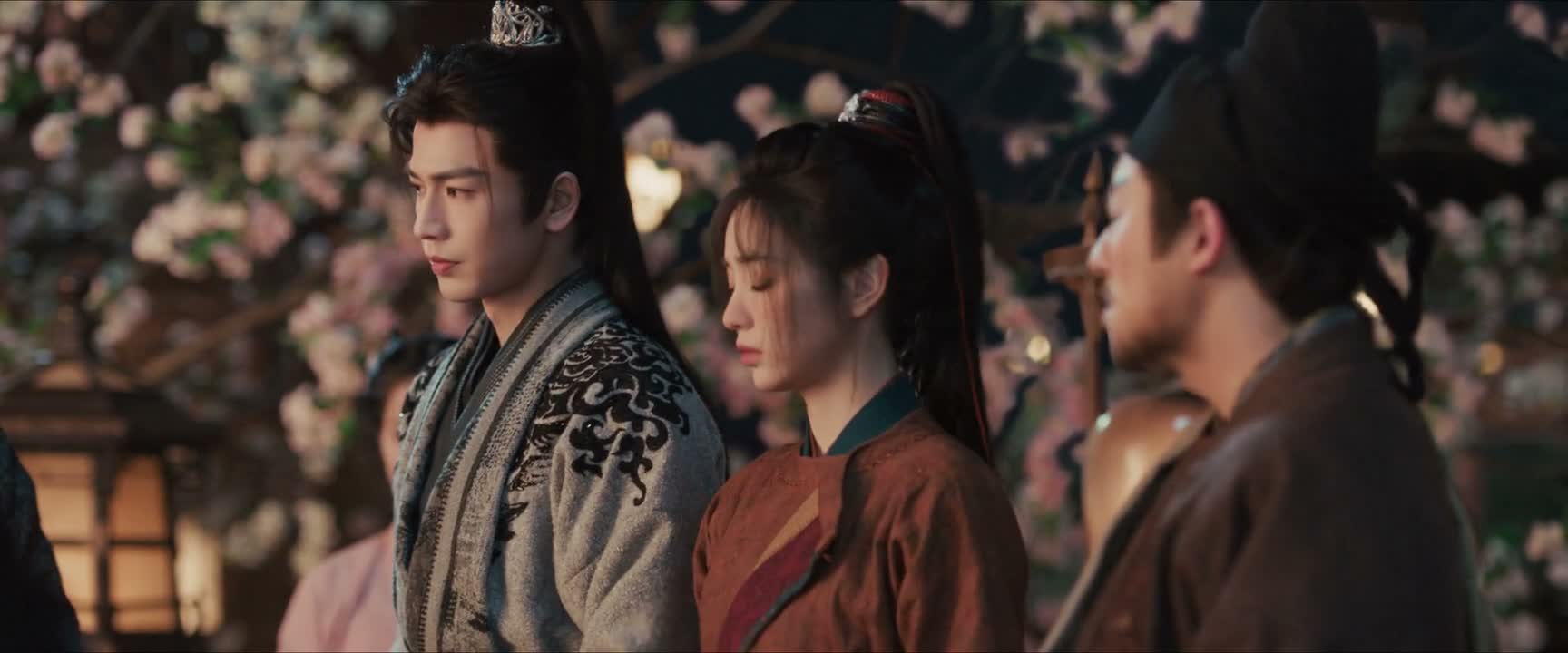
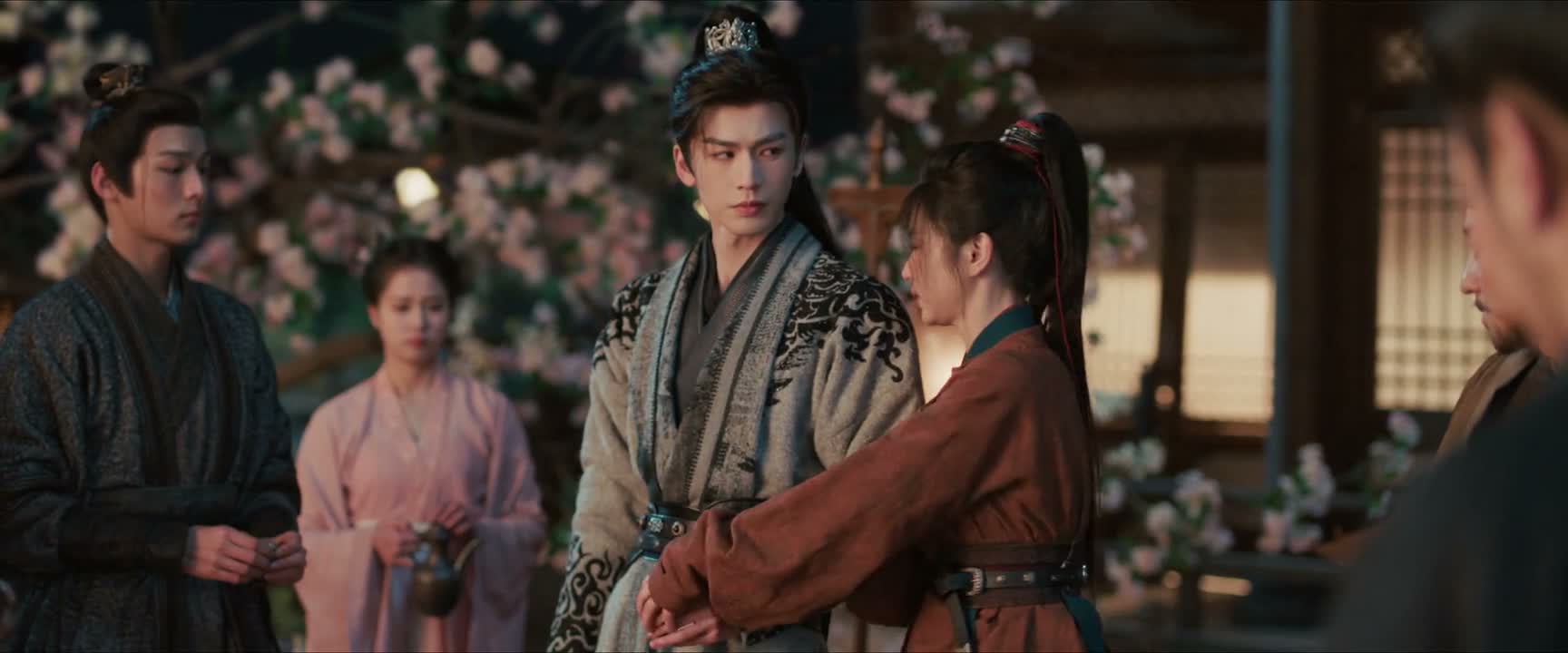
孤当然下得去手
Por supuesto que fui capaz de hacerlo.
Show Information
Source Media
TV Series
Season & Episode
S1 E33
Clip Timestamp
11:42
TMDB ID
279388
Conversation Context
| Line | Chinese | Pinyin | Translation |
|---|---|---|---|
| 1 | 因为孤的心早就死了 | yīn wèi gū de xīn zǎo jiù sǐ le | Porque mi corazón murió hace mucho tiempo. |
| 2▶ | 孤当然下得去手 | gū dāng rán xià dé qù shǒu | Por supuesto que fui capaz de hacerlo. |
| 3 | 殿下快走 此地不宜久留 | diàn xià kuài zǒu cǐ dì bù yí jiǔ liú | Su Alteza, debemos irnos. No conviene quedarnos aquí. |
More Clips From Episode
Total 208 clips (Page 8 of 11)

HSK 7
0:03s
HSK 2
0:03s
HSK 5
0:03s
nián jì dà le bú jì dé fāng cái shuō le shá- Ya soy mayor. No recuerdo lo que acabo de decir. - Siéntate.
HSK 6
0:03s
gōng sūn shì zú yě céng dǐng shèng yī shí[Pabellón Dingcang] el clan Gongsun también tuvo su época de esplendor.
HSK 7
0:03s
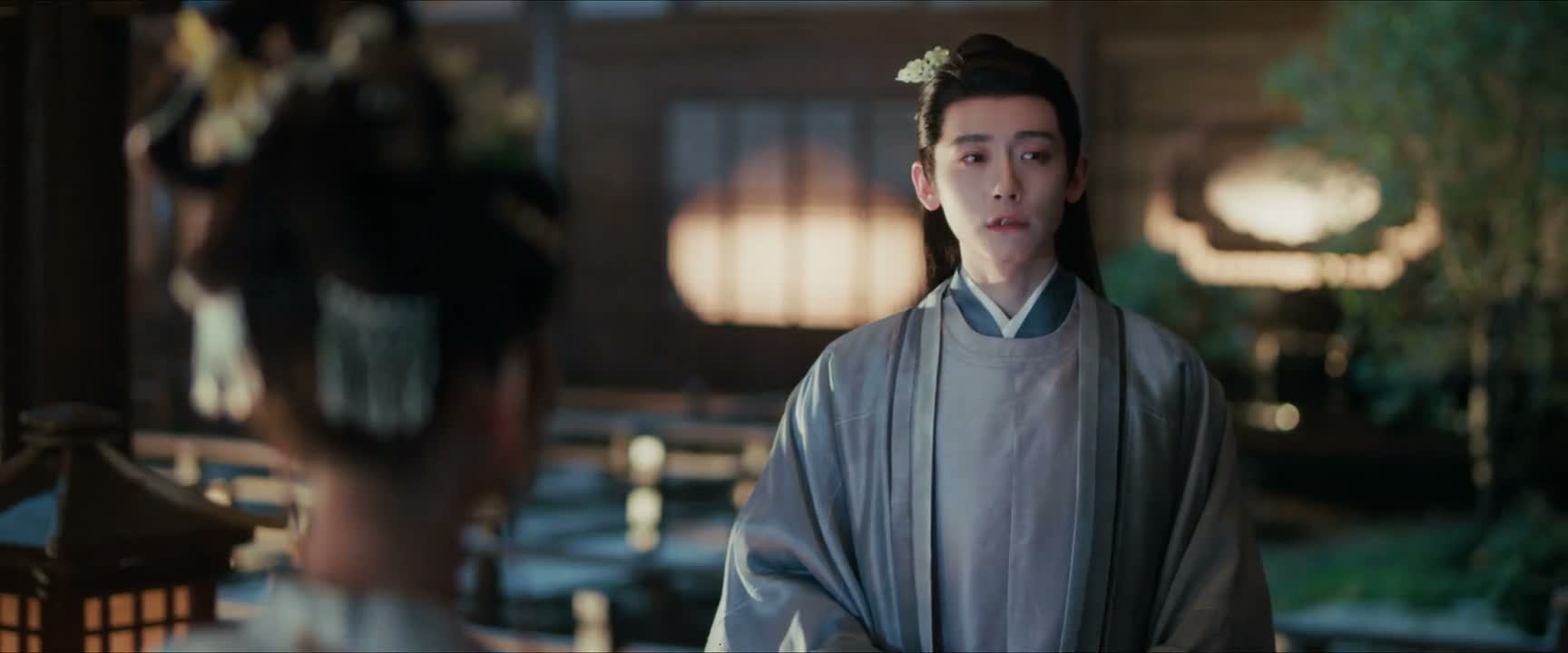
lì rèn huáng hòu yě dōu chū zì gōng sūn yī ménTodas las emperatrices salieron de la familia Gongsun.
HSK 6
0:03s
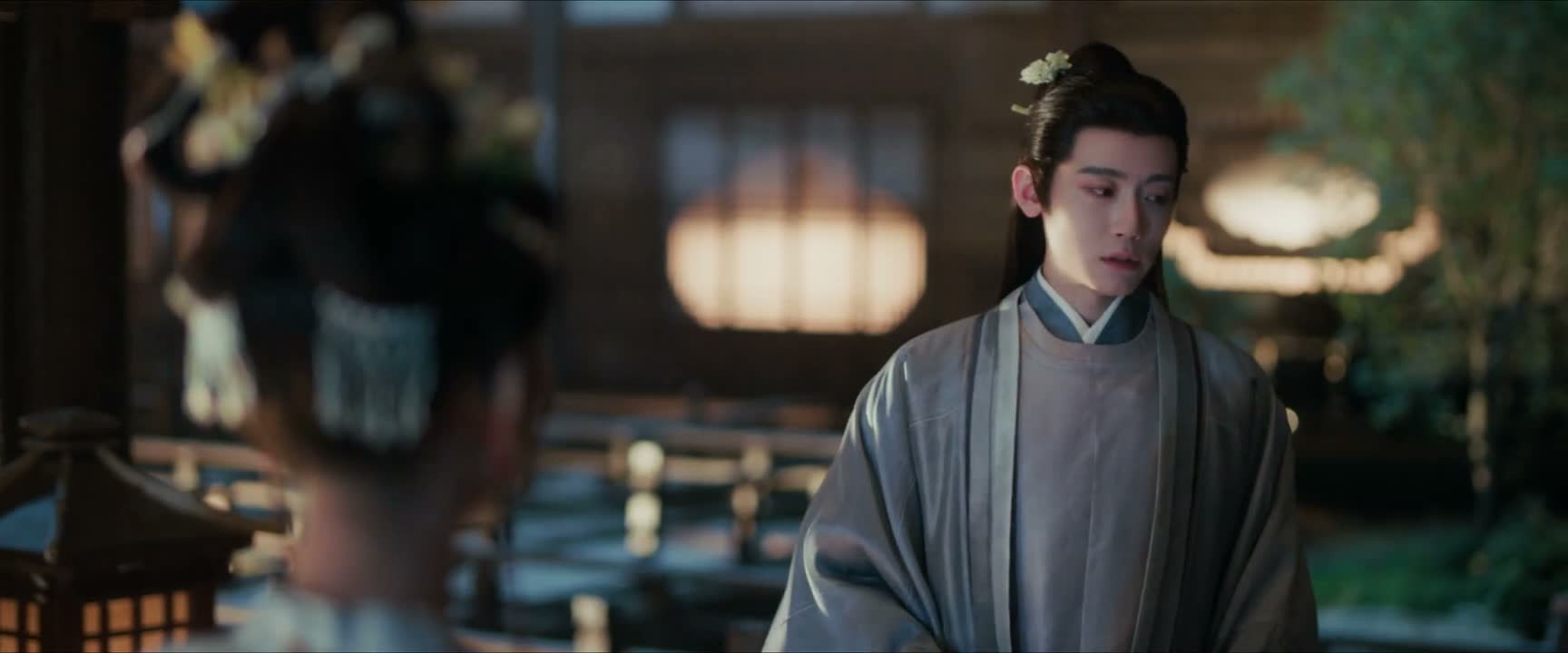
céng yú dōng gōng sōu chū le lóng páoencontraron una túnica de dragón en el Palacio del Este.
HSK 3
0:03s
shào yáng tài zi bèi biǎn wèi le shù mínEl príncipe heredero Shaoyang fue degradado a plebeyo.