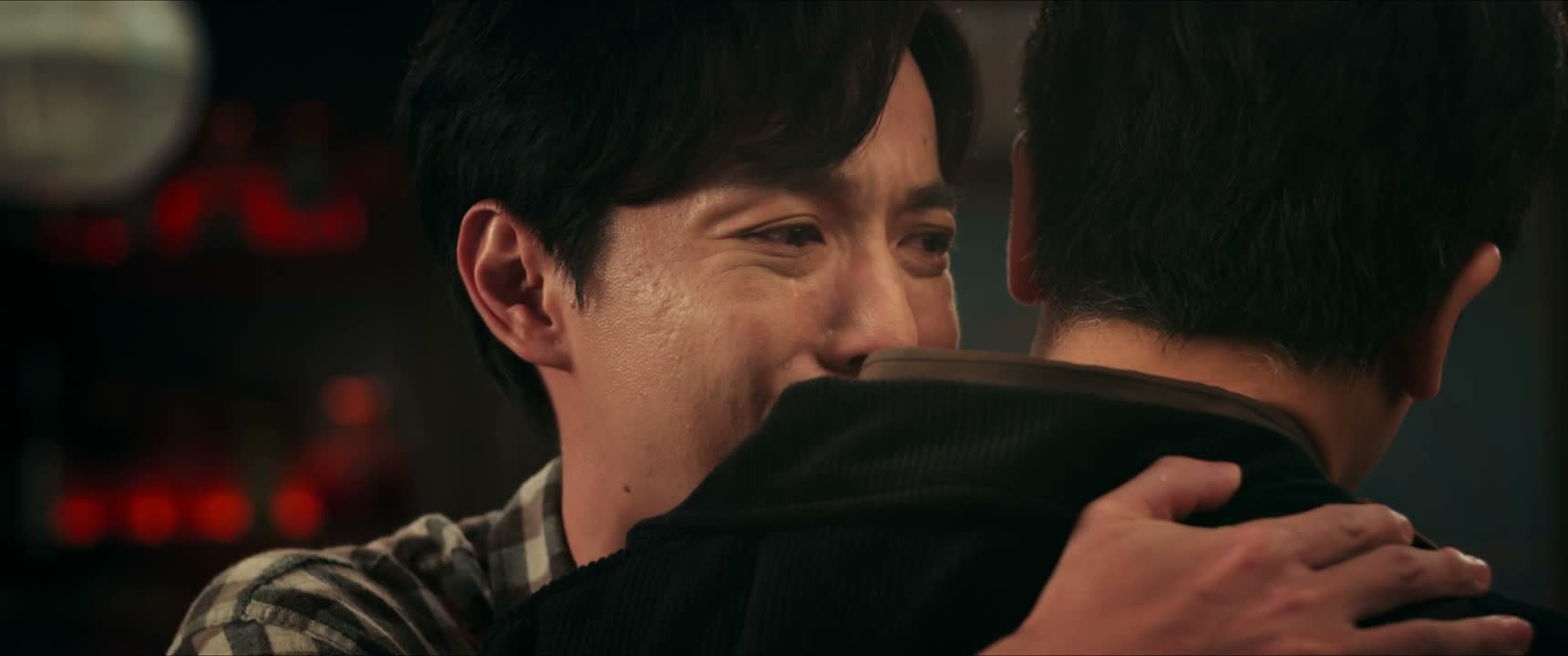
Cómo usar "你是一个 很有爱的男孩" (nǐ shì yí gè hěn yǒu ài de nán hái) en el diálogo chino
你是一个 很有爱的男孩
Eres un chico muy amoroso.
Show Information
Source Media
TV Series
Season & Episode
S1 E1
Clip Timestamp
10:42
TMDB ID
289147
Conversation Context
| Line | Chinese | Pinyin | Translation |
|---|---|---|---|
| 1 | 她还是没有喜欢上我 | tā hái shì méi yǒu xǐ huān shàng wǒ | ella nunca se enamoró de mí. |
| 2▶ | 你是一个 很有爱的男孩 | nǐ shì yí gè hěn yǒu ài de nán hái | Eres un chico muy amoroso. |
| 3 | 你还年轻 | nǐ hái nián qīng | Eres joven, |
More Clips From Episode
Total 53 clips (Page 2 of 3)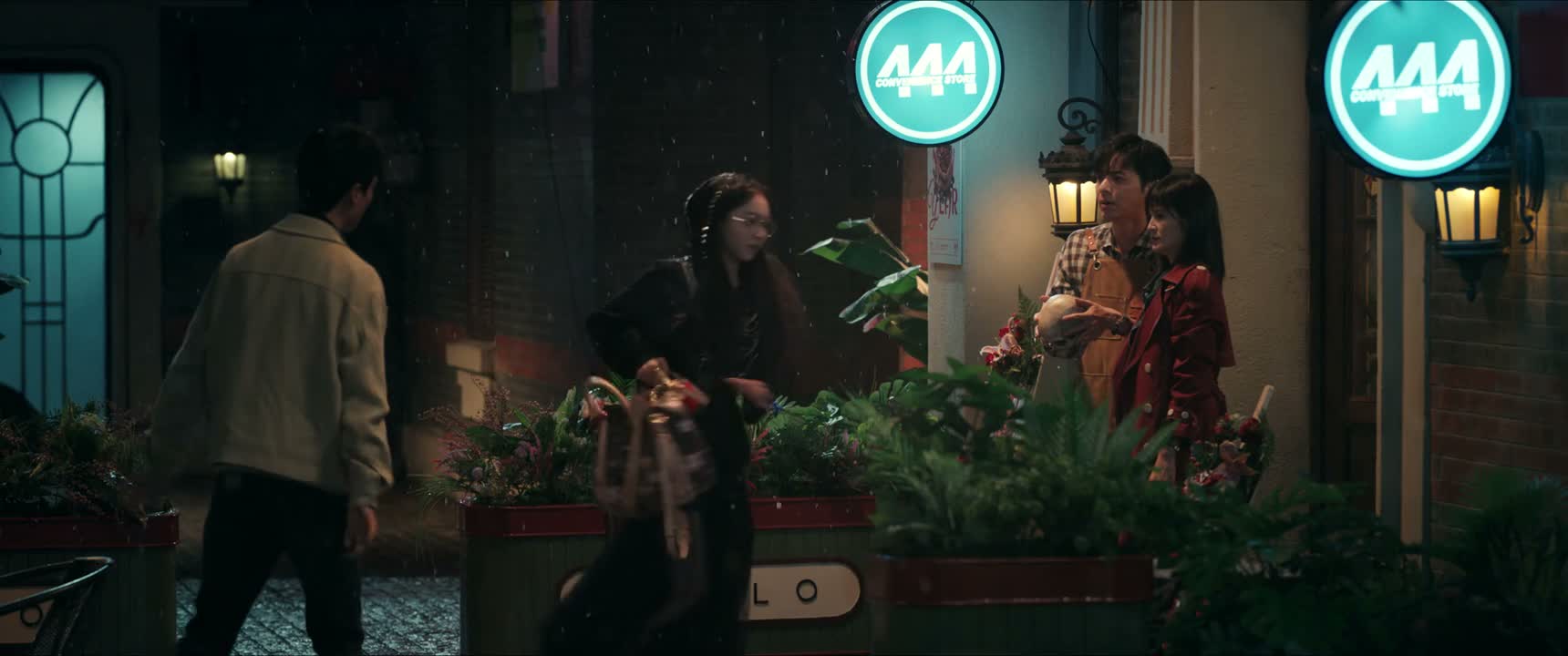

HSK 7
0:03s
wǒ hé nǐ yǐ jīng fēn shǒu le qǐng nǐ bú yào zài lái jiū chán wǒ zài zhè yàngtú y yo ya terminamos. Por favor, no sigas acosándome. Si continúas así,

HSK 4
0:03s
wǒ zhǐ huì gèng jiā tǎo yàn nǐ lián péng yǒu dōu zuò bù liǎosolo te odiaré más y ni siquiera podremos ser amigos.


HSK 4
0:03s
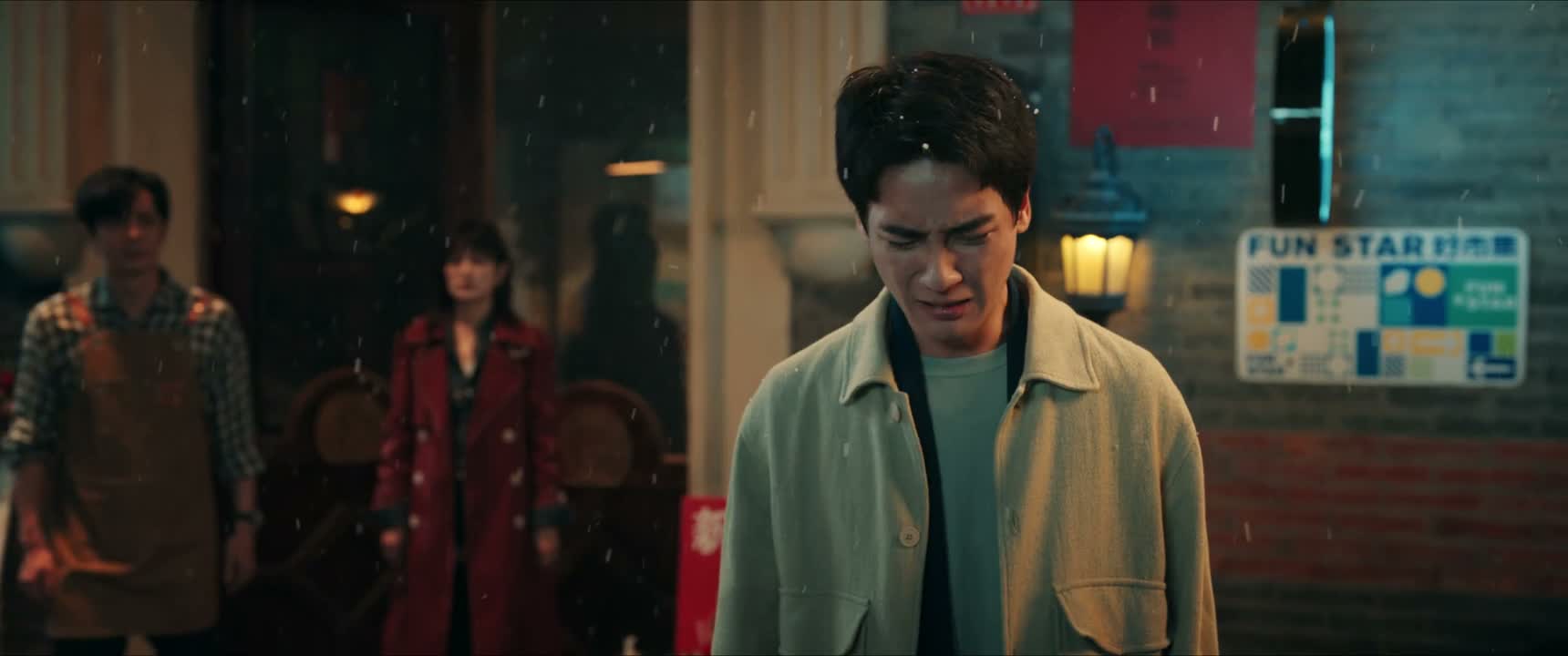
huàn yí gè yě xíng nǐ shuō shuí bú zhèng cháng le nǐ liǎo jiě tā maConsigue otra. ¿Quién no está bien? ¿Acaso la conoces?



HSK 3
0:03s
nǐ wèi tā dōu gēn nán péng yǒu fēn le shǒu liǎng huí shìPor él terminaste con tu novio. Son cosas distintas.

HSK 6
0:03s
jiù suàn méi yǒu GB38 wǒ hé tā yě yī yàng huì fēn shǒu deIncluso sin GB38, de todas formas hubiéramos terminado.

HSK 5
0:03s
bù xǐ huān wèi shén me yào zài yì qǐ ya tā zhuī le wǒ qī bā niánSi no te gusta, ¿por qué estar juntos? Me persiguió como siete u ocho años,


HSK 7
0:03s

HSK 1
0:03s

HSK 3
0:03s
děng nǐ yǒu le xīn de nǚ péng yǒu dài tā lái diàn lǐ wǒ qǐng nǐ men hē kā fēiCuando tengas una nueva novia, tráela a la tienda, les invito un café.

HSK 6
0:03s
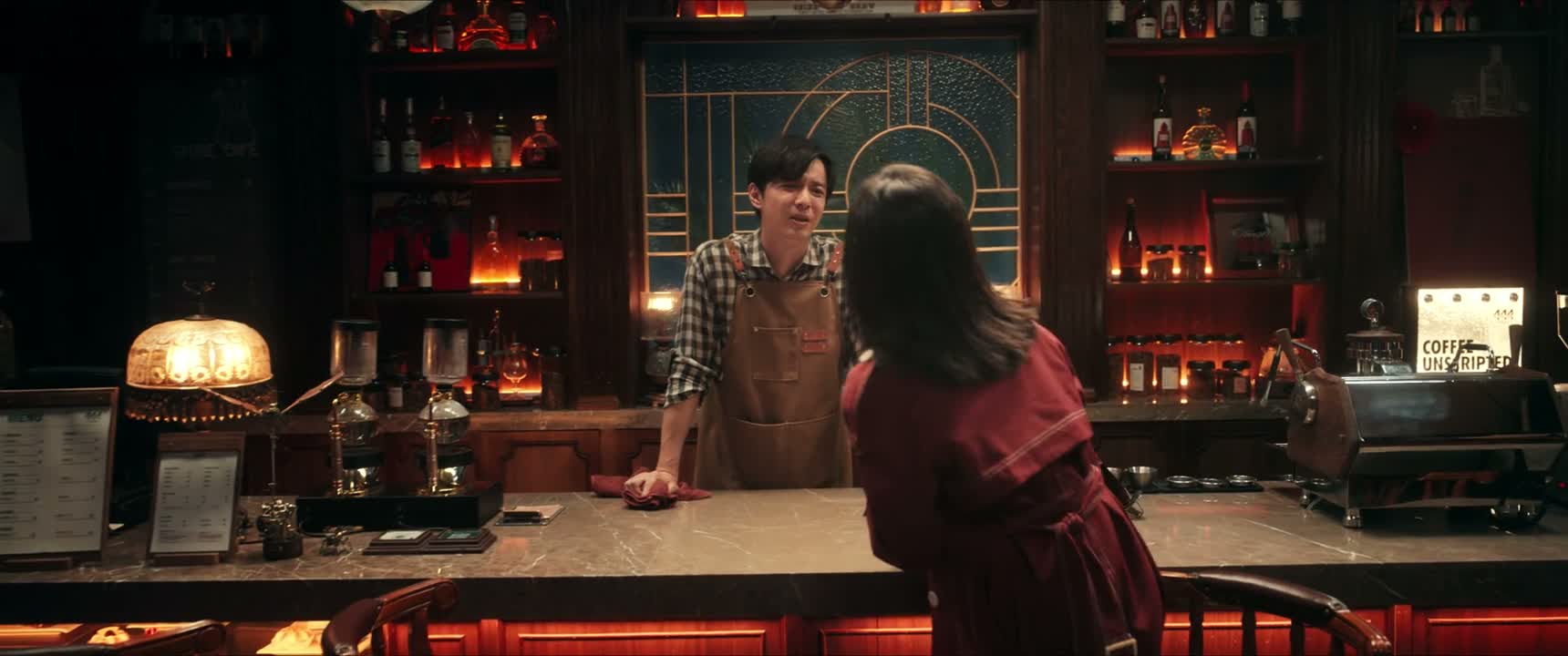
xí fù nǐ bù zhī dào wǒ zhè liǎng tiān kuài lèi sǐ leEsposa, no sabes lo cansado que estuve estos dos días.

HSK 2
0:03s

HSK 5
0:03s
zài shuō wǒ bù tài ài jiē chù nǚ rén shēn tǐ deAdemás, no me gusta mucho tocar el cuerpo de mujeres.